How to Make Your Home More Energy Efficient Before Summer Heat Peaks
Summer energy bills have a way of arriving as a surprise every single year. They don’t have to. A focused afternoon on these upgrades — before the hottest weeks hit — can meaningfully reduce what you spend to stay comfortable all season.

There’s a narrow window between the end of spring and the real heat of July where a few targeted upgrades make a disproportionate difference to your home’s energy efficiency. Miss it, and you spend the summer reacting — running the AC at full capacity, watching the hydro meter turn, and wondering if that rattling unit is about to give out. Make use of it, and your home handles the heat with noticeably less effort from every system that cools it.
Making your home more energy efficient for summer doesn’t require a renovation or a large budget. The most impactful changes fall into three categories: stopping heat from entering, making your cooling systems more effective, and eliminating the internal sources of heat that most people don’t think about. Together, they add up quickly — and many of them have payback periods measured in weeks, not years.
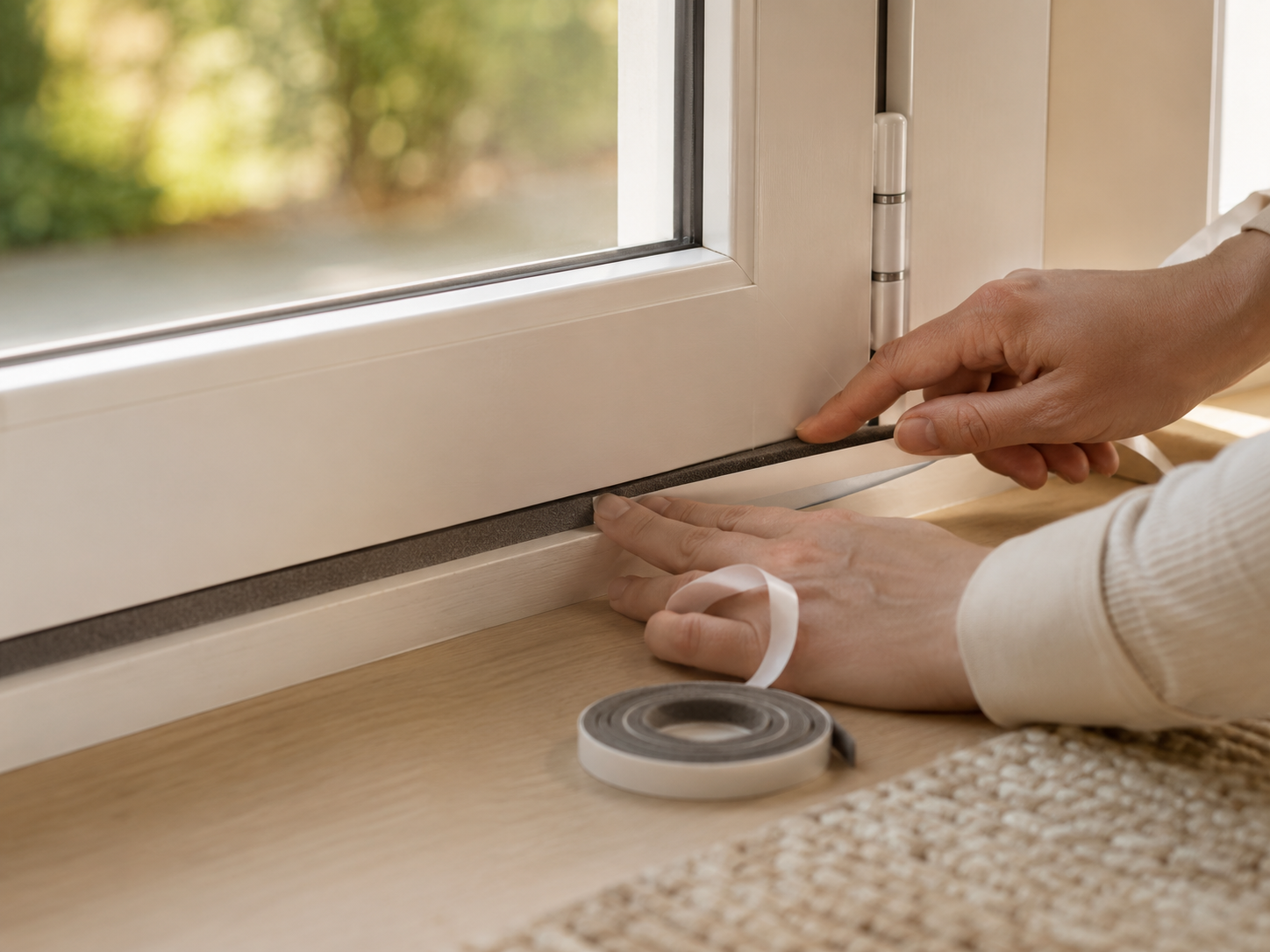
The envelope of your home — its walls, windows, and roof — is where most of the battle is fought. Gaps in weatherstripping around doors, cracked caulk around window frames, and poorly fitted window AC units are all points where cool indoor air escapes and humid outdoor air enters. Every hour your cooling system runs to compensate for this leakage costs money. A box of foam weatherstrip tape and a tube of exterior caulk represent perhaps the highest ROI of anything you can buy at a hardware store in June.
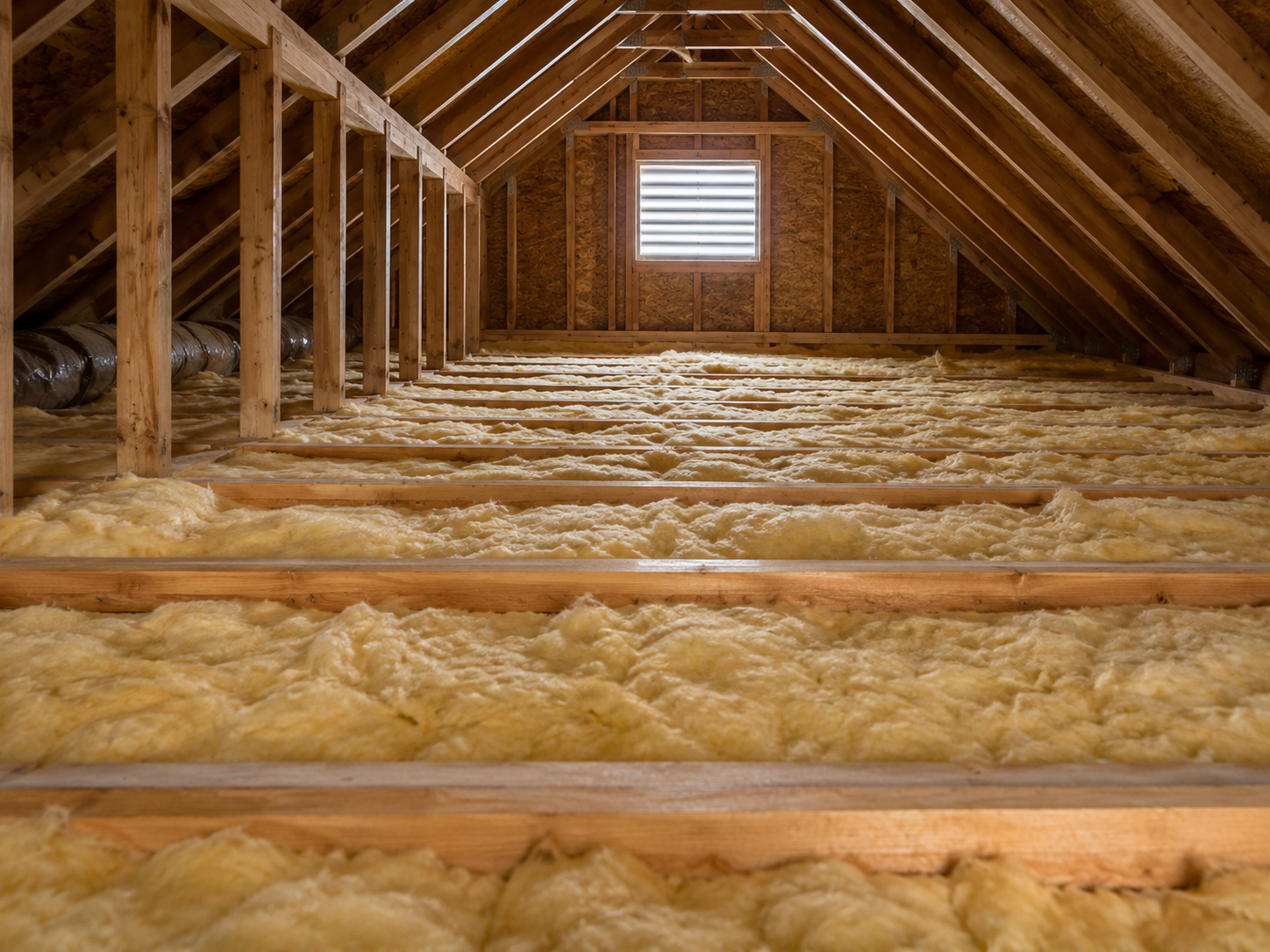
Insulation, which most people associate with keeping winter heat in, works equally hard in summer by keeping outdoor heat out. The attic is the most important zone — heat accumulates in an underinsulated attic and radiates downward into living spaces throughout the evening, long after the outdoor temperature drops. If your attic insulation hasn’t been assessed in the past decade, it’s worth a look, particularly if upstairs rooms feel significantly warmer than the rest of the house. Blowing in additional cellulose or mineral wool batt is a project many homeowners undertake themselves with rented equipment.
The most impactful upgrades don’t require a renovation budget — they require knowing where to look.
Windows deserve more attention than they typically get. Single-pane windows are obvious candidates for eventual replacement, but in the meantime, low-emissivity window film applies directly to the glass and reflects solar infrared energy before it enters the home. Quality residential window film costs $25–$60 per window and can be installed in under an hour with no special tools. The visual effect is minimal — a slight tint — but the thermal effect is real. Exterior window shades and retractable awnings go further by stopping heat before it reaches the glass at all, which is the most effective intervention of all for heat-exposed façades.
The following upgrades are organized in roughly ascending order of investment — from free habit changes through to afternoon DIY projects and, at the higher end, equipment upgrades worth considering before summer peaks.
Walk your home’s perimeter and check every point where two different materials meet — window frames, door thresholds, the base of exterior walls. Apply exterior caulk to cracked seams and replace any weatherstrip that shows compression or daylight. This is the highest-impact low-cost step available.
A dirty filter restricts airflow and forces your system to run longer cycles to achieve the same result. Check it now and replace it if grey or restricted. Use a mid-range pleated filter (MERV 8–11) — too restrictive a filter creates its own airflow problems, too thin and it filters little. Change it every 60–90 days through summer.
Prioritize south- and west-facing windows. Low-e window film is available at most hardware stores for $25–$60 per window and takes about 45 minutes per window to apply. It reduces solar heat gain by 40–70% on the treated glass without meaningfully affecting natural light levels.
Incandescent bulbs convert roughly 90% of their energy to heat and only 10% to light. In a home with 20–30 light fixtures, that adds up to a meaningful internal heat load — one your air conditioning has to overcome. LEDs produce a fraction of that heat and use 75–90% less electricity. The switch typically costs $2–$5 per bulb and pays for itself quickly.
Even a basic $30 programmable thermostat that adjusts temperatures while you’re away can reduce cooling costs by 10–15% over summer. Smart thermostats (Ecobee and Google Nest are both popular in Canada) add learning capability, remote control, and utility rebate eligibility. Ontario homeowners may qualify for rebates through their local utility provider — check your hydro company’s website for current offers.
Ovens, dryers, and dishwashers all release heat and draw significant electricity. On time-of-use hydro rates (common in Ontario), running these appliances during off-peak hours — evenings and weekends — also reduces your electricity cost. Shift these tasks to after 7 PM in summer; your AC will run less and your bill will show it.
An overheated attic radiates heat into living spaces well into the evening. Look for ridge vents and soffit vents — they should be unobstructed. If upstairs rooms are noticeably warmer than the rest of the home, insufficient attic insulation is the most common cause. The recommended minimum in Ontario is R-50 or higher; many older homes fall well below this.
For homeowners who want to take this further, a professional energy audit ($150–$400 in most Ontario markets) identifies heat loss points using thermal imaging and a blower door test — showing exactly where your home leaks conditioned air and where insulation is thin. Some local utilities subsidize or fully cover audits as part of their conservation programs. The audit report maps out improvements by payback period, which makes it an effective planning tool whether you’re budgeting for a weekend project or a longer renovation.
The best time to make a home more energy efficient for summer is before you actually need the result. These are not dramatic interventions — they’re the kind of quiet, considered work that a house rewards with lower bills, a more comfortable indoor climate, and systems that last longer because they’re not constantly working against preventable heat. It doesn’t take a full renovation. It takes a few afternoons before July.
A well-tended home is an act of foresight — small investments made in the quiet before the demand arrives.
— NestDigest