
The Bathroom Micro-Renovation: Big Impact, Honest Budget
A full gut job isn’t the only way to transform a bathroom. The right small moves — the right ones, chosen carefully — can do more for a home’s feel and resale value than most people expect.
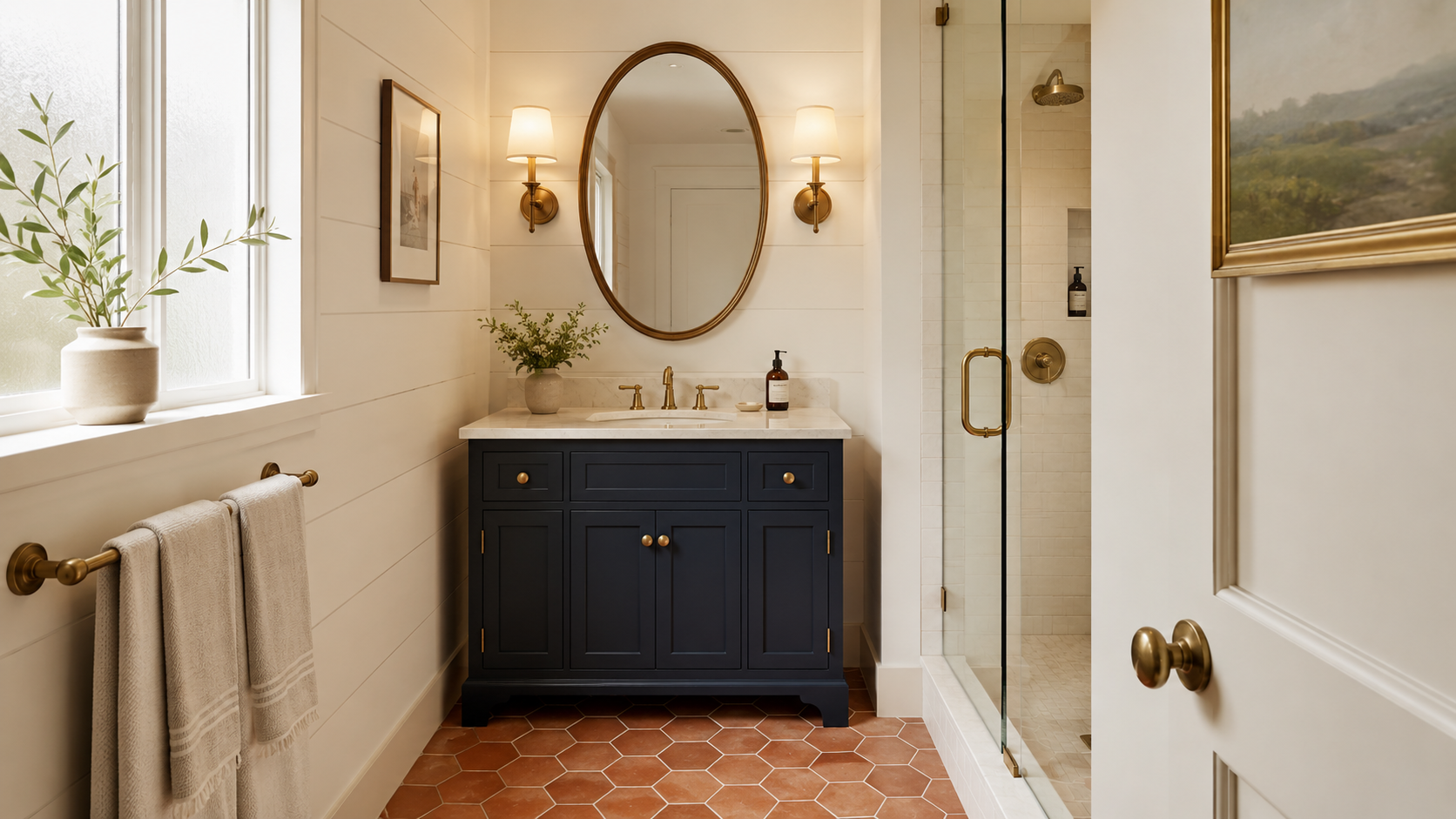
The bathroom is the room people underestimate most. It’s small, it’s functional, and a full renovation — new tile, new tub, new everything — costs more per square foot than almost any other space in the house. So most homeowners do nothing, deciding it’s either the big job or no job. That’s a false choice. Bathroom micro-renovation ideas built around strategic, targeted upgrades can shift how the whole room feels and, just as importantly, how a home appraises when it’s time to sell or rent.
The key is understanding which elements carry the most visual weight. Buyers and tenants read a bathroom in about four seconds — they clock the fixtures, the vanity, the grout lines, and the light. They don’t necessarily catalogue every individual tile. That means the bathroom micro-renovation is fundamentally an exercise in impression management: you change what people see first, and the rest follows.
Start with the vanity, which anchors the whole room. A full replacement isn’t necessary — often, what the vanity needs is a new set of hardware and a fresh surface. Swapping out builder-grade chrome pulls for aged brass or matte black takes twenty minutes and costs almost nothing, but it reads as intentional in a way that registers immediately. If the vanity cabinet itself is structurally sound but dated in colour, a coat of satin-finish cabinet paint in a warm off-white or deep navy gives you most of the impact of a replacement at a fraction of the cost. The critical caveat: prep matters more than the paint itself. Proper cleaning, sanding, and a bonding primer are what separate a durable result from one that chips in six months.
Grout is the most underrated upgrade in a bathroom micro-renovation. Old grout doesn’t just look dirty — it makes everything around it look tired, even if the tile itself is perfectly good. Re-grouting or deep-cleaning and resealing existing grout lines costs almost nothing in materials and a few hours of patience, but the visual shift is dramatic. Dingy grey lines become crisp again. The tile looks new. If the grout colour itself is dated, a grout pen or full re-grout in a fresh tone — warm white rather than stark white, soft grey rather than beige — updates the entire floor or shower wall without touching a single tile.
A bathroom that feels clean and considered doesn’t need to be new. It needs to look like someone cared.
Lighting earns outsized returns in a small space. The standard bar light over the vanity — the long horizontal fixture that came with almost every bathroom built before 2010 — is one of the most reliable signals of an unimproved room. Replacing it with a pair of sconces flanking the mirror, or a single modern fixture with warm-toned bulbs (2700K to 3000K, not the blue-white daylight range), changes the quality of the entire space. Warm light makes skin tones look good, makes the room feel residential rather than institutional, and photographs better when you’re listing the home. Budget: $80 to $250 for the fixture, plus an hour if you’re comfortable with basic electrical work.
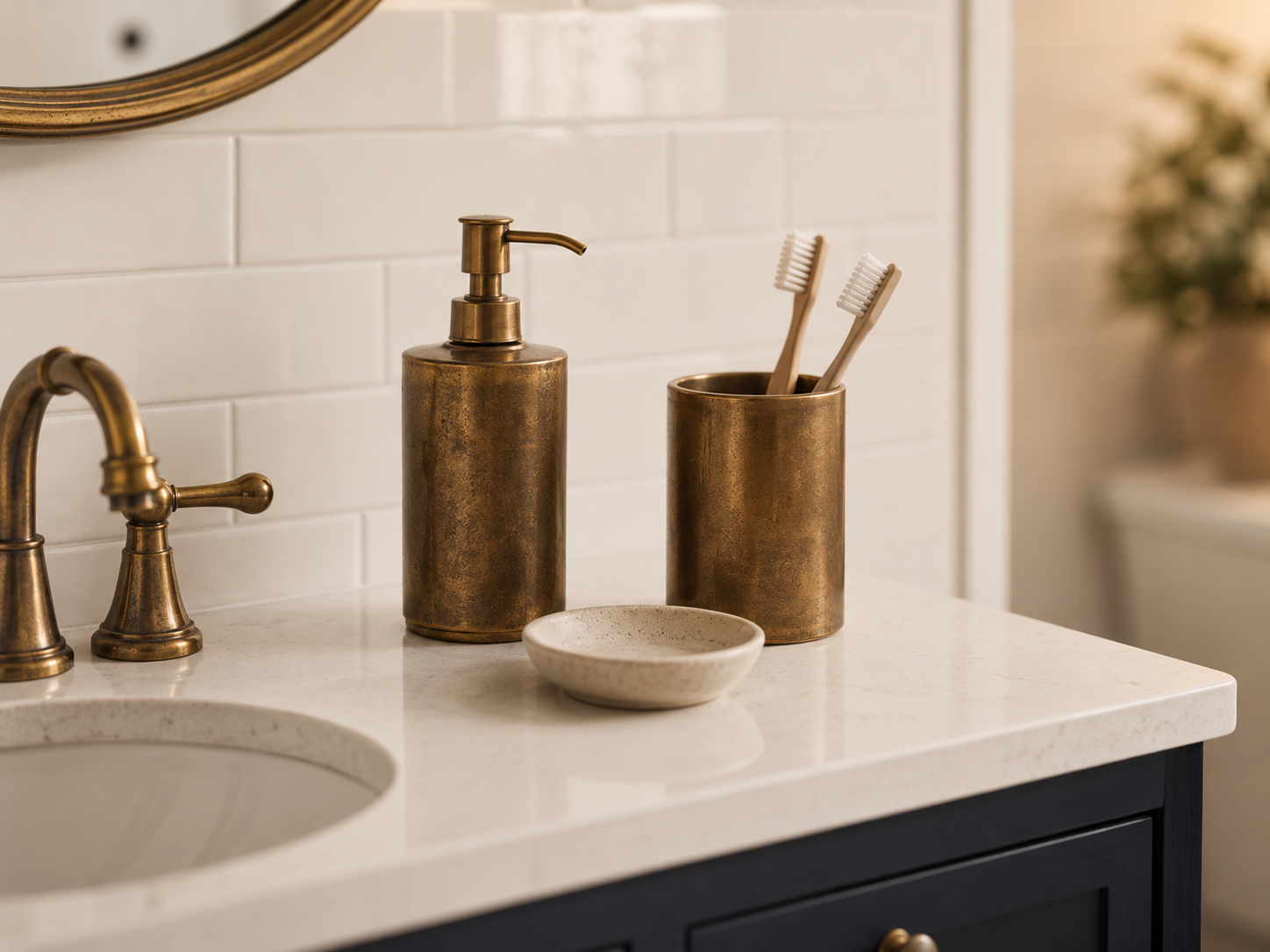
The mirror is often overlooked because it seems permanent. It doesn’t have to be. A builder-grade frameless mirror can be dressed with a stick-on frame kit for under $60, or replaced entirely with a vintage-feel framed mirror that anchors the vanity and adds personality. If you’re going for the latter, the proportions matter — the mirror should be narrower than the vanity by a few inches on each side, and the frame should pull from one of the metal tones already present in the fixtures. Getting this alignment right is what makes a room feel designed rather than assembled.
The bathroom micro-renovation in order of impact
Clean, re-grout, or apply a grout pen to tile lines throughout the shower and floor. This single step changes the room’s age more than almost anything else.
Swap toilet paper holder, towel bar, robe hook, and vanity pulls to a single coordinated finish. Aged brass, matte black, or brushed nickel — pick one and commit.
Replace the horizontal bar fixture with sconces or a modern single fixture. Switch all bulbs to 2700K–3000K warm white.
Paint cabinet doors with proper prep and a bonding primer. Consider adding new hardware as part of the same project — they compound each other’s impact.
Frame the existing mirror with a kit, or replace it entirely with a proportionally correct framed alternative that matches the new fixture finish.
What this sequence adds up to, when done well, is a bathroom that feels renovated to most people who walk into it — without a single structural change. Plumbing untouched. Tile untouched. No permits, no contractors, no weeks of disruption. For a primary residence, that’s quality-of-life money well spent. For a rental or an investment property, it’s the kind of cosmetic polish that tightens vacancy and supports higher asking rents. For a home going to market, it’s the difference between a bathroom that inspires a price reduction conversation and one that doesn’t come up at all.
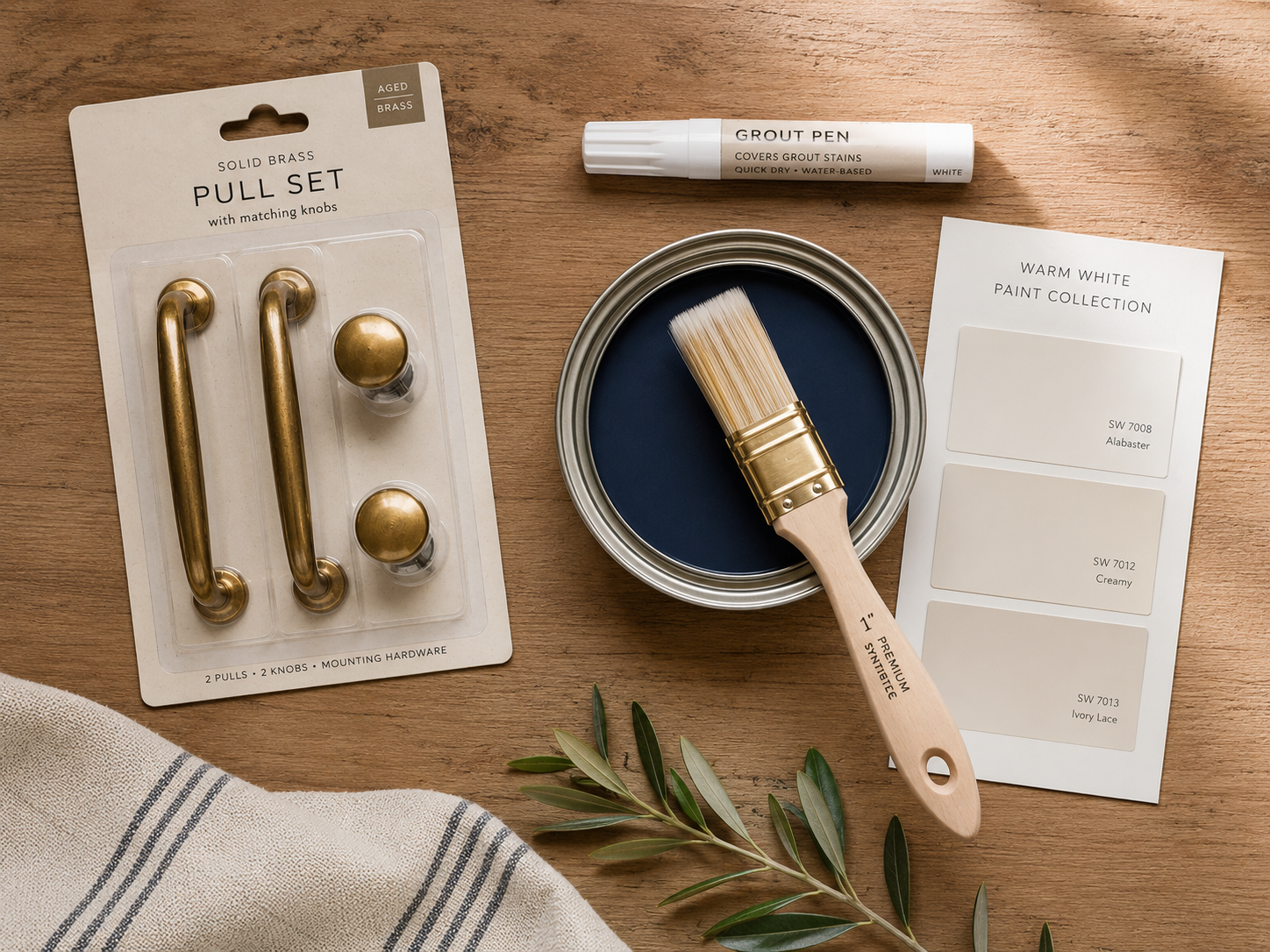
The budget ceiling for a complete bathroom micro-renovation done properly — grout, hardware, lighting, vanity refresh, mirror — sits somewhere between $400 and $900 in materials, depending on the size of the room and the fixture choices. That’s not nothing. But it’s also not a renovation in any traditional sense. It’s a targeted intervention, applied where the eye naturally lands, designed to change what people feel before they’ve finished forming a thought.
The details are not the details. They make the design.
— Charles Eames