What’s Your Home Style? How to Build a Look That Feels Like You
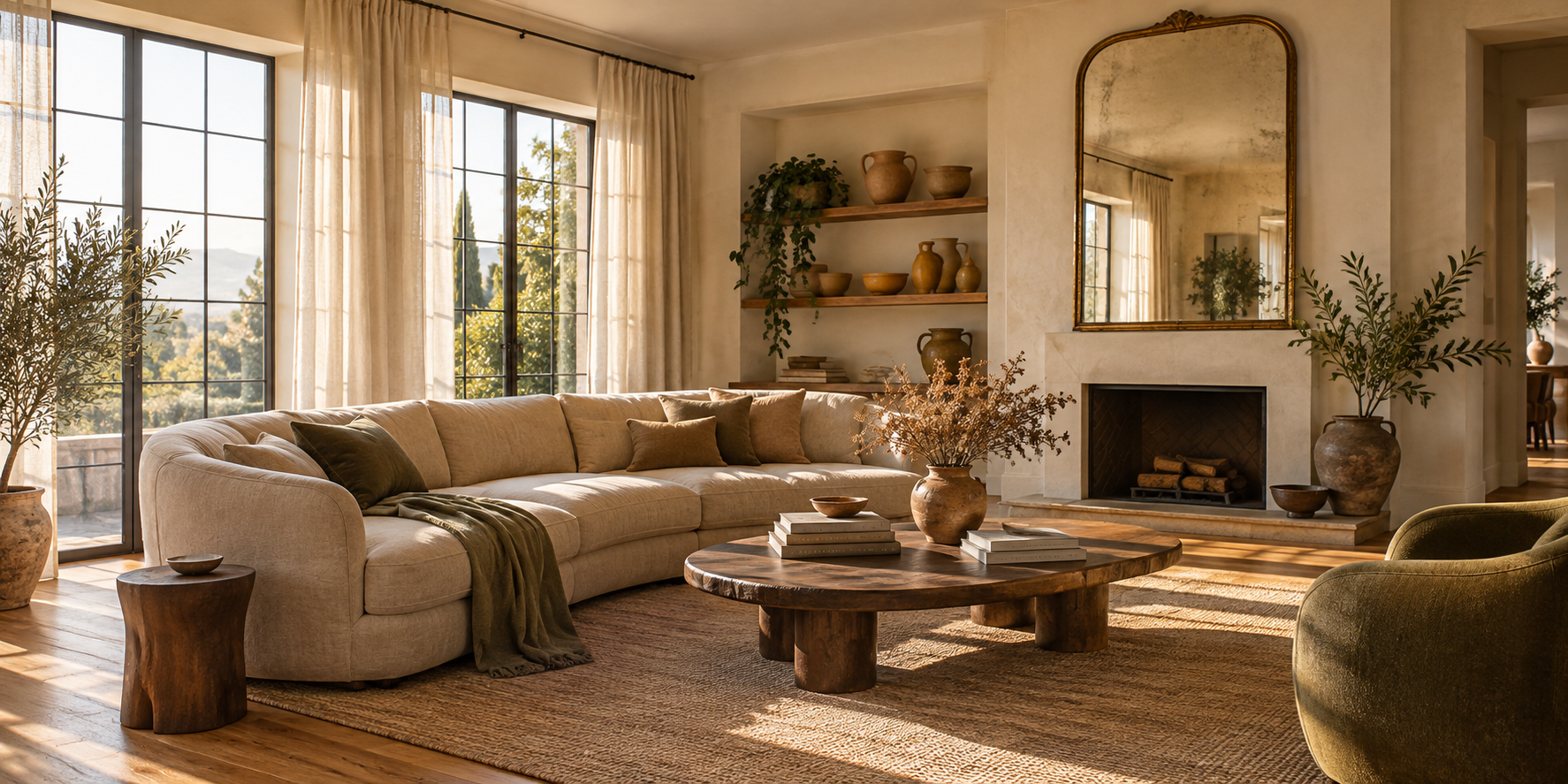
A living room with a Danish-modern sofa, a grandmother’s brass mirror and a shelf of dopamine-yellow ceramics shouldn’t work. On paper it reads like three different Pinterest boards colliding. In person, in the right hands, it reads like somebody who actually lives there. That’s the real secret behind how to find your interior design style in 2026: it’s rarely one thing. It’s a short list of feelings, colours and objects you keep circling back to, arranged with enough intention that the mix looks chosen rather than accidental.
This piece is part of NestDigest’s First Space, Your Way series — start with what actually matters when you’re setting up a first home. Once you know what you want a home to feel like, the next question is how to find the visual language to build it.
Start with a feeling
Style labels can give you useful search terms, but you do not have to choose only one. You might like the atmosphere of a dark-academia bookshelf and the softness of a cottage-inspired kitchen. Use those references to identify the colours, materials and details that appeal to you.
This guide offers a practical starting point: choose the feeling you want, look for patterns in what you already love, and test a few combinations in your own room.
Start before you shop, and start with a feeling rather than a photo. Sit in the room you’re decorating and ask what you want it to do to your body when you walk in: slow you down, wake you up, make you nostalgic, make you feel clever and well-read, make you want to invite people over. Calm, warm, energetic, nostalgic, creative, sophisticated — pick the two that matter most. Everything downstream, the colours, the materials, the amount of visual noise you can tolerate, gets easier to choose once you know which feeling you’re building toward. A room aiming for calm and a room aiming for energetic can use the exact same green, in wildly different amounts.
Explore the styles that appeal to you
Use these descriptions as starting points, with room for your own interpretation. IKEA Canada’s 2026 style guide, for example, includes both calming spaces and playful colour. You can borrow individual details without adopting an entire look.
Warm minimalism
Simple shapes, warm neutrals and tactile materials can create a calm room. Try linen, honey-toned wood and a ceramic accent. Keep enough comfortable seating and useful storage for daily life.
Eclectic or collected
Mix pieces from different eras and sources. Repeating a colour, shape or material can help connect a vintage rug, a contemporary lamp and inherited brass. Our guide to curated maximalism explores a more layered approach.
Dopamine décor
Choose colours, patterns and objects that you find uplifting. This can be a colourful cushion in a quiet room or a much bolder combination; it does not require maximalism or excluding neutrals.
Vintage and ’70s-inspired
Curved silhouettes, earthy colours and walnut finishes can introduce a nostalgic feel. Start with one period piece and see how it works with what you own.
Cottagecore
Gingham, floral patterns, familiar kitchenware and soft textiles create a relaxed, country-inspired atmosphere. Choose details that fit how you use the room.
Dark academia
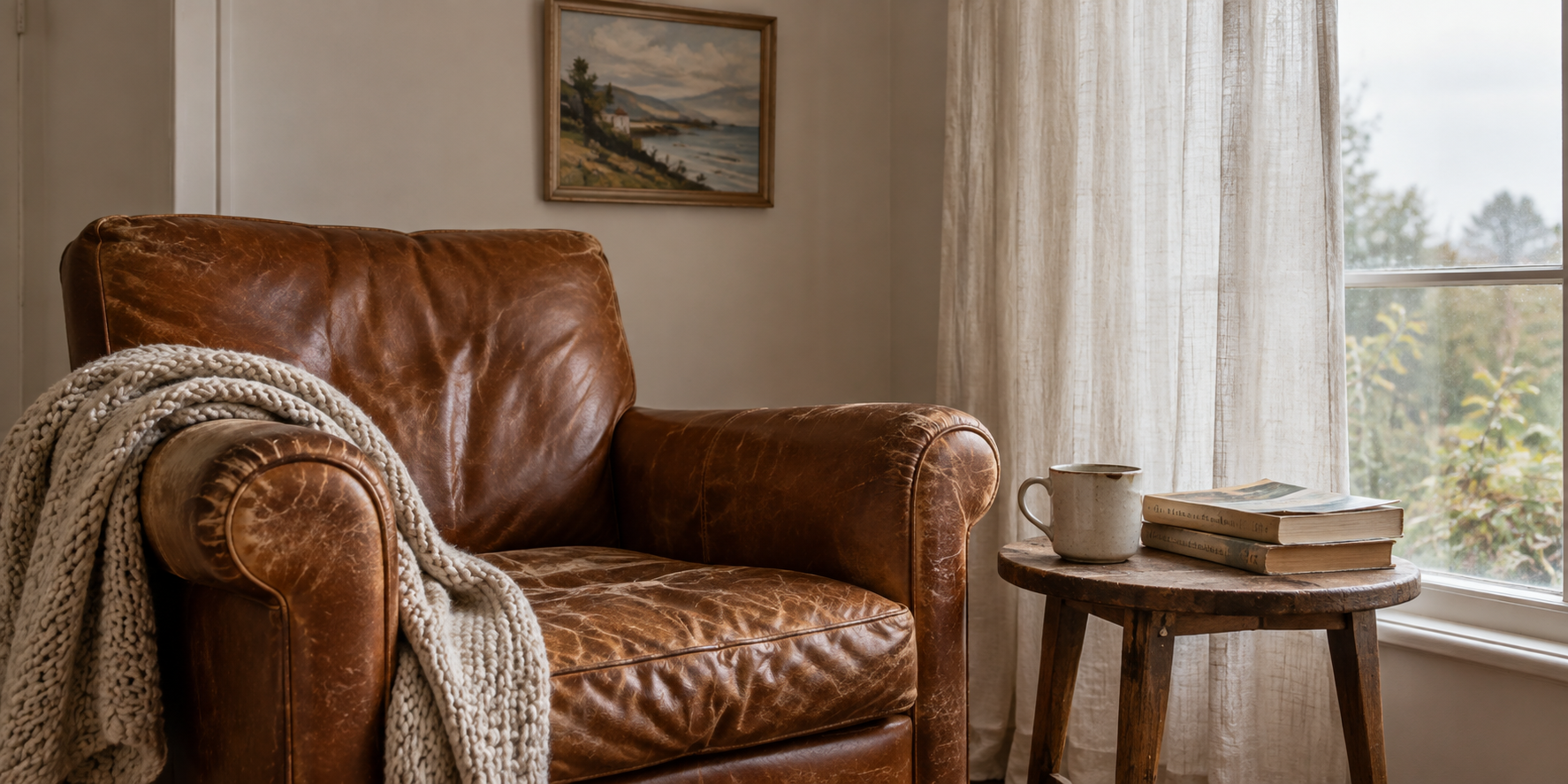
Dark wood, leather, books and brass details suggest a literary atmosphere. Include enough task lighting for reading and work, whatever wall colour you choose.
Biophilic or nature-led design
Connections to nature can include daylight, outdoor views, natural textures and plants suited to the available light. Plant care is optional; there are several ways to bring natural references into a room.
Grandmillennial
Floral fabrics, scalloped edges, needlepoint and traditional furniture offer a familiar, layered look. Borrow the details you enjoy and make room for modern practical needs.
Contemporary organic
Combine clean lines with rounded shapes, earthy colours and textured surfaces. Personal belongings can add character to a restrained palette.
Y2K and playful nostalgia
Chrome accents, bubble shapes and playful objects offer a more animated direction. Test a small accent first to see whether you enjoy living with it.
Look for patterns in what you already love
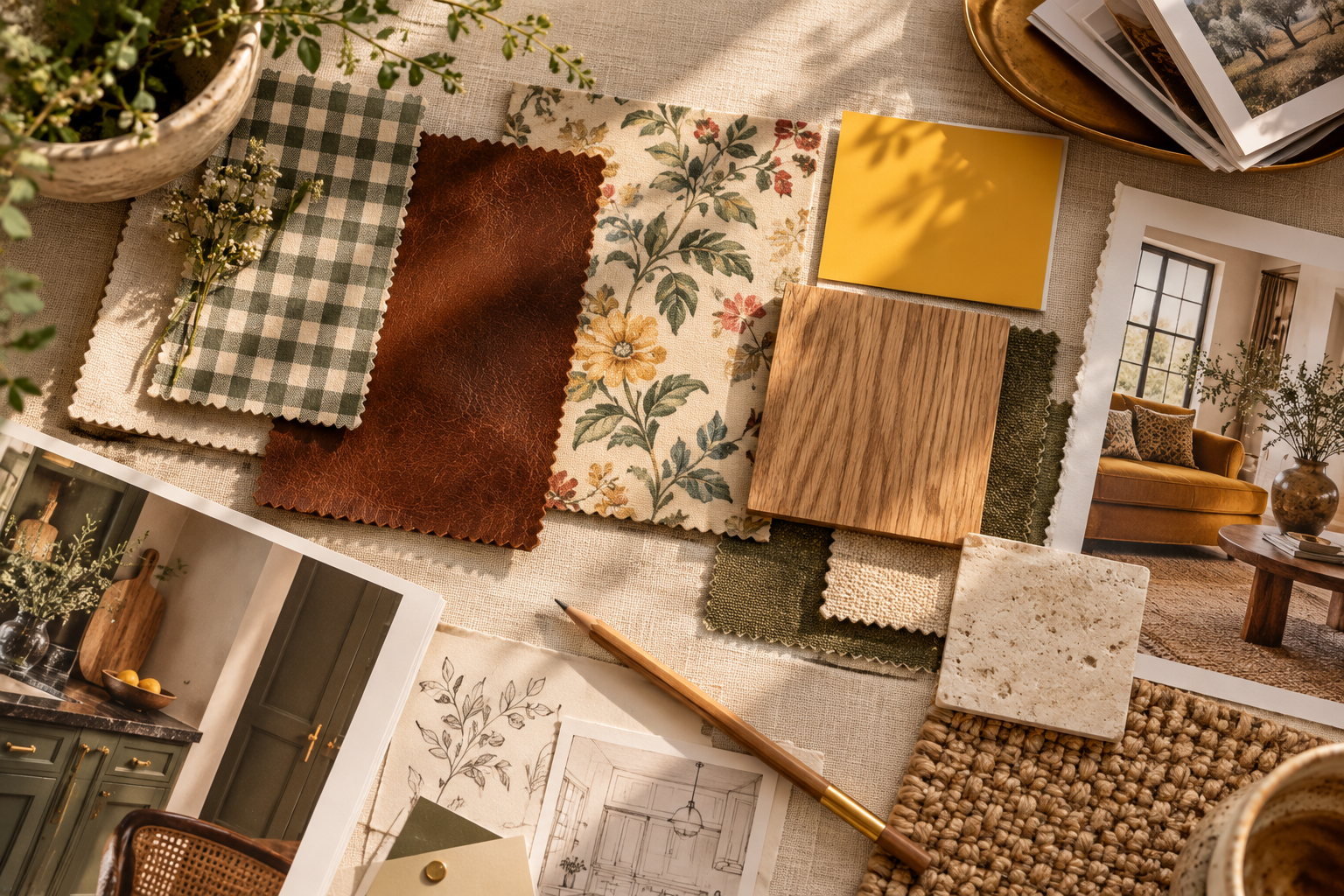
Start with your clothes, favourite objects and saved room photographs. Notice repeated colours, shapes and textures. Your wardrobe can offer clues, although what you enjoy wearing may differ from what you want around you at home.
Choose a manageable selection of saved images. For each, write down the specific detail you like: a green wall, curved furniture, brass lighting or an open shelf. Then consider whether it suits your room’s light, dimensions and everyday use. A beautiful photograph is a reference, not a requirement to recreate the entire space.
Describe your style in three words
Once you can see the pattern, name it in three words. Not a Pinterest board title — three adjectives that could describe a person as easily as a room. Warm, collected, relaxed. Calm, natural, uncluttered. Colourful, playful, nostalgic. Moody, literary, intimate. Those three words become your filter for every purchase from here forward: does this rug fit “warm, collected, relaxed,” or is it just something you liked in isolation? This is the whole exercise of finding your interior design style in miniature — trading a single label for a short, honest list of words that actually describes how you want to live.
Combine a foundation with personal details
From your three words, build what amounts to a personal style formula: one foundational style that does most of the visual work, one supporting influence that adds texture, and one unexpected personal element that stops the room from reading as a catalogue page. Warm minimalism as the foundation, a few vintage details as the supporting layer, and a shelf of colourful handmade ceramics as the unexpected element is a formula that would work equally well in a character semi in Toronto’s west end or a new-build condo in Kitchener-Waterloo — the proportions do the work, not the square footage.
A Personal Style Formula
- Foundation — the main visual direction: furniture shapes and the colours and finishes already in the room
- Supporting influence — a second style introduced through textiles, art or a furniture piece
- Unexpected element — an object or collection with personal meaning
Treat this as a flexible exercise, not a mathematical rule. You do not need to assign percentages to furniture or replace fixed finishes. Repetition can help different pieces relate, but the right balance depends on what you enjoy and how the room works.
Test your ideas before a major purchase
Try rearranging objects you already own, borrowing a textile or testing one small addition. Live with the combination before choosing a sofa or other major piece. Check measurements, comfort and return terms as well as appearance.
In a compact home, our guide to making small spaces feel bigger and brighter can help you consider how your style choices affect the room’s function.
Make room for the way you live
A personal room can be quiet and coordinated, richly layered, entirely new or assembled over years. What matters is whether you enjoy using it. A friend’s artwork, a favourite book or an inherited object can provide a starting point. Leave surfaces and pathways usable, and adjust the display as your needs change.
Use these six questions to turn your preferences into a starting plan. They are a reflection exercise, not a scored test or a fixed style diagnosis.
Find Your Home Style: A Quick Exercise
- What feeling do you want when you enter the room?
- Which three colours keep showing up in your saved images?
- Do you gravitate toward clean surfaces or visible collections?
- Are you drawn to new furniture, vintage, or a mix?
- Which material feels most like home — wood, metal, glass, stone or soft textiles?
- What’s the one personal object that has to stay in the finished room, no matter what?
Your taste can change over time. Return to your three words when a room no longer feels right, and update them if necessary. You can keep the pieces you love while changing a few details around them.
Next in First Space, Your Way: putting your style into practice on a realistic budget, including what to keep, where to spend and which purchases can wait.
Build your room around what you love and how you live.
— NestDigest