
The Biggest Home Improvement Trends of 2026 — And Why They All Point to Comfort
High mortgage rates, aging housing stock, and a collective desire to feel genuinely at home have converged into one of the most purposeful renovation eras in recent memory. Here’s what’s shaping the way North Americans are upgrading their spaces in 2026.
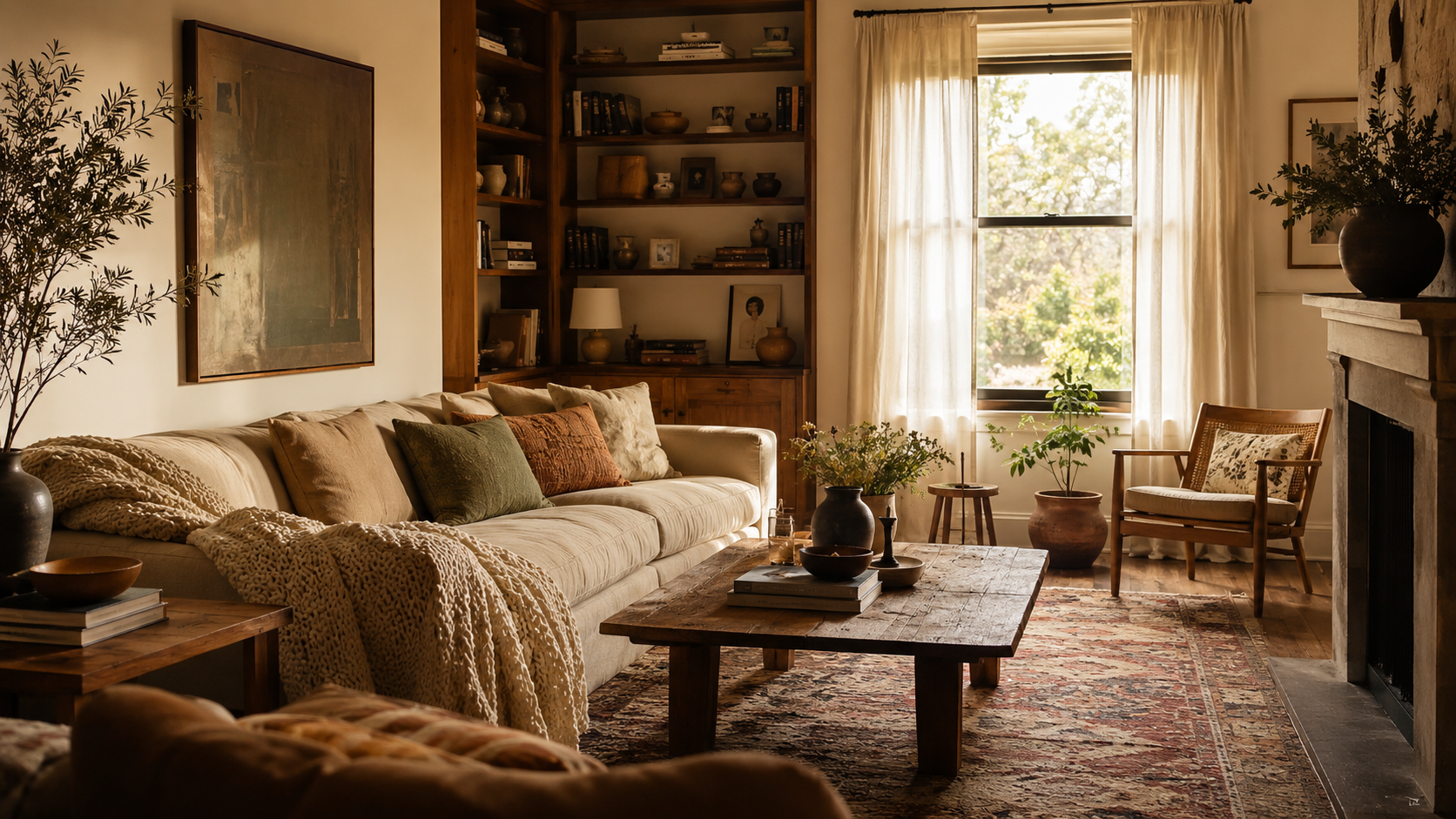
Something has quietly shifted in how people think about their homes. The pressure to sell and move on — to trade up, trade sideways, or simply escape a space that no longer feels right — has given way to something more deliberate: the decision to stay, invest, and actually make the place yours. With mortgage rates keeping many homeowners firmly in place, renovation spending in 2026 isn’t being driven by obligation. It’s being driven by desire.
The clearest signal is what industry researchers call the “repair instead of move” shift. Homeowners who might have listed their property two or three years ago are instead channeling that energy into deferred projects — new roofing, HVAC upgrades, window replacements, and kitchen refreshes that stop short of a full gut renovation. These aren’t glamorous projects, but they’re smart ones. A kitchen that feels current and functions well adds real perceived value to a home without the cost and disruption of taking it down to the studs. And in a market where moving costs are steep, the ROI math increasingly favors staying put and improving.
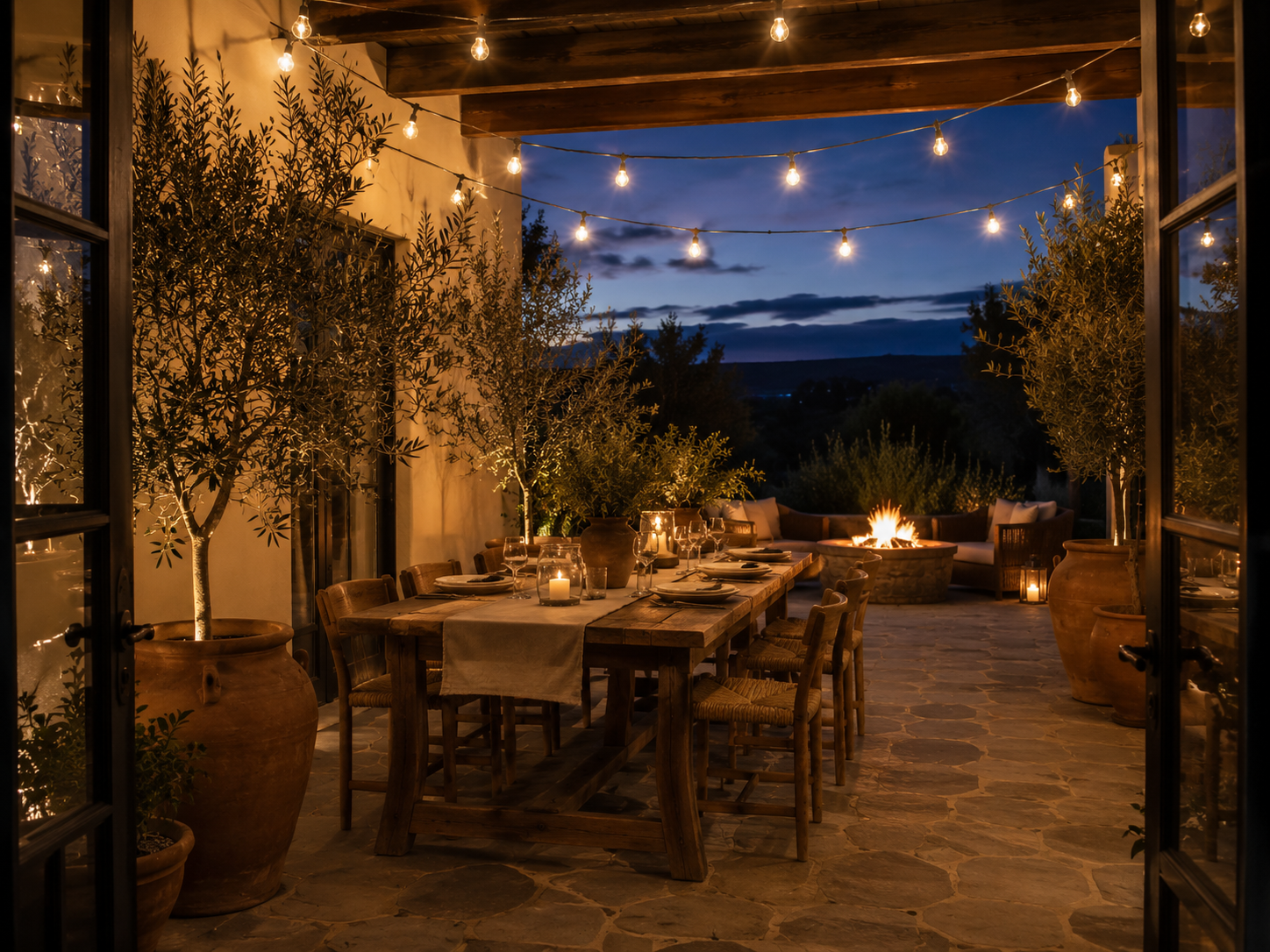
That function-first mindset extends outdoors in ways that would have seemed surprising a decade ago. Covered patios, outdoor kitchens, fire pit lounges, and smart landscape lighting have moved from luxury additions to near-standard features for homeowners investing in their properties. What’s changed isn’t just the product category — it’s the intent. Outdoor spaces in 2026 are being designed as genuine extensions of the home rather than seasonal overflow areas. Contractors report a notable uptick in demand for multi-zone layouts: one area for dining, another for lounging, a third tucked away for quiet. Natural materials — stone, untreated wood, terracotta — anchor these spaces in a way that synthetic decking and plastic furniture never quite managed to do.
The backyard stopped being a backyard. Now it’s another room — one that happens to have better air.
Indoors, the dominant story of 2026 is the decisive retreat from cold minimalism. The stripped-back, white-oak-and-concrete aesthetic that defined so much of the last decade is being replaced by something richer and more personal. Vintage furniture, floor-to-ceiling bookshelves, layered textiles, and deep wood tones have become the visual language of homes that people actually want to spend time in. Designers are calling it “warmth over minimalism,” but it runs deeper than a style preference — it’s a correction. After years of staging homes for resale photography rather than real life, people are furnishing and decorating for themselves.
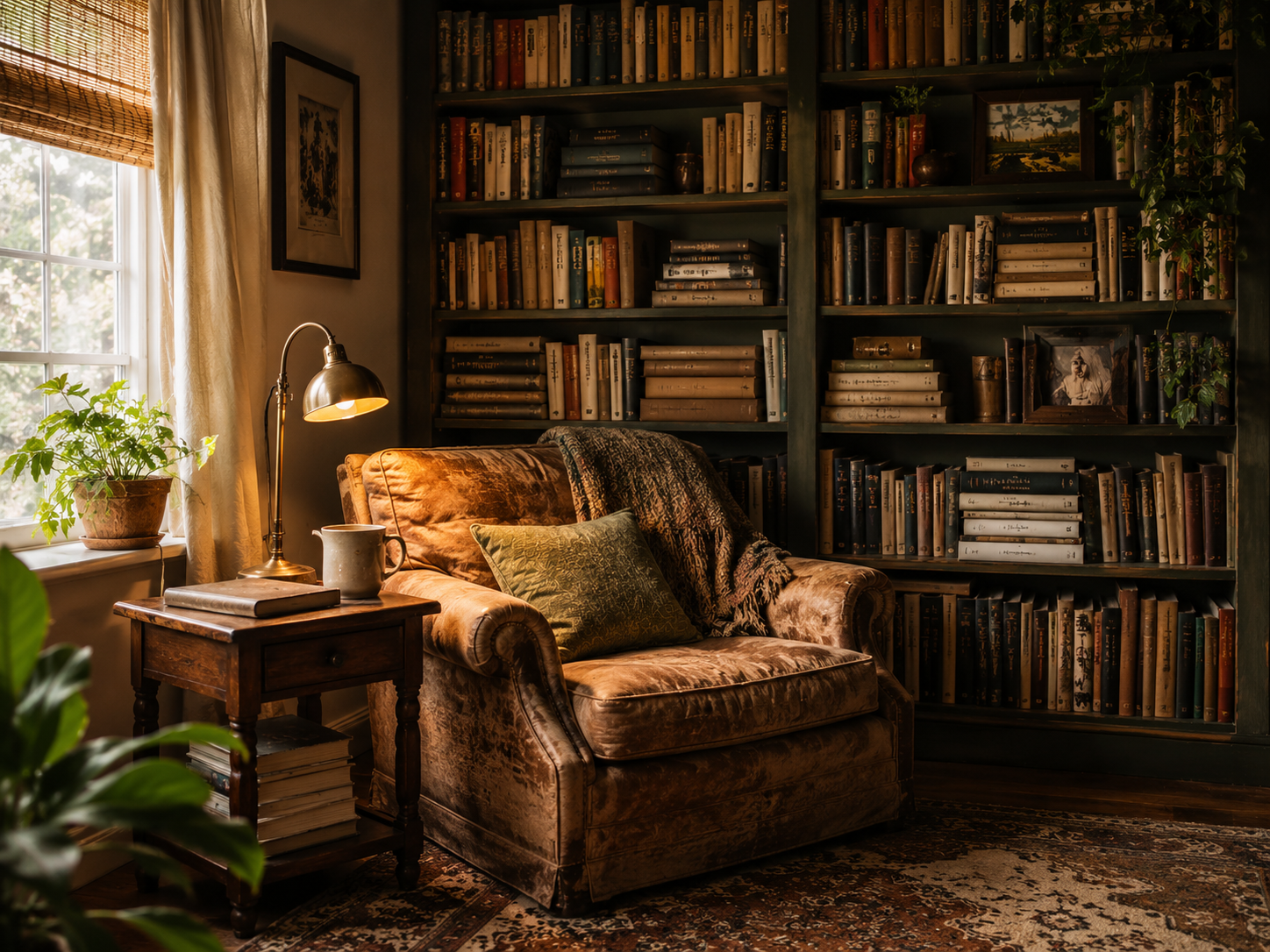
This shows up in what’s going viral, too. “Book drenching” — the practice of filling walls floor-to-ceiling with shelves and volumes — became one of the breakout design conversations of the year. Reading nooks, layered rugs, and “homes that feel more expensive” are among the top-performing content categories across social platforms right now. None of this is about spending more. It’s about choosing things that feel considered rather than convenient — objects that look better the longer you live with them, as one design publication put it.
Wellness has also moved from aspirational to operational in the home improvement conversation. What used to be the exclusive territory of luxury renovation budgets — a sauna, a steam room, a meditation alcove — is being reframed at every price point. A reading corner with the right lighting and a good armchair can serve the same psychological function as a purpose-built wellness room. Home gyms are proliferating at modest scale: a cleared-out spare room, a few pieces of quality equipment, and a mirror. The point isn’t the specific installation — it’s the decision to build spaces around what makes you feel restored rather than just housed.
Energy efficiency runs quietly through all of this. Smart thermostats, energy-efficient windows, water-saving fixtures, and HVAC upgrades are among the most searched renovation topics of the year, and their appeal is increasingly dual: they reduce operating costs and they align with how people want to feel about their homes. Nobody talks about their smart thermostat the way they talk about a new reading nook, but the two investments share the same root logic — make the home work better for the life being lived in it.
The home improvement trends of 2026 aren’t chasing novelty. They’re building something more durable — spaces that are genuinely useful, genuinely warm, and genuinely reflective of the people who live in them. The upgrade that matters most isn’t the most expensive one. It’s the one you’ll notice every single day.
The sun does not realise how wonderful it is until after a room is made for it.
— Louis Kahn, Architect