The End of Fast Interiors: A New Era of Thoughtful Living
For years, interior design was driven by trends that moved at the speed of social media. Homes were styled for the camera—bold accent walls, statement tiles, dramatic lighting, and spaces curated more for “likes” than for living. What looked fresh one year often felt outdated the next, creating a constant cycle of redesign, renovation, and replacement.
In 2026, that cycle is slowing down—significantly.
Homeowners are no longer chasing what’s trending this month. Instead, they are asking a different question: Will this still feel right five, ten, or even twenty years from now?
Several key shifts have driven this transformation. Rising renovation costs have made frequent updates less practical. Economic uncertainty has encouraged smarter, long-term decisions. At the same time, constant exposure to trends has created fatigue—people are simply tired of spaces that age too quickly. More importantly, there’s a growing desire for comfort, functionality, and emotional connection within the home.
This is where timeless interior design steps in. It isn’t about playing it safe or being boring. It’s about creating spaces that feel grounded, intentional, and quietly sophisticated—spaces that evolve naturally rather than expire.
Why Timeless Interiors Are Becoming the Preferred Choice
Timeless interiors are not just a design preference—they’re a strategic decision. Whether viewed through the lens of daily living or real estate value, they consistently outperform trend-driven spaces.
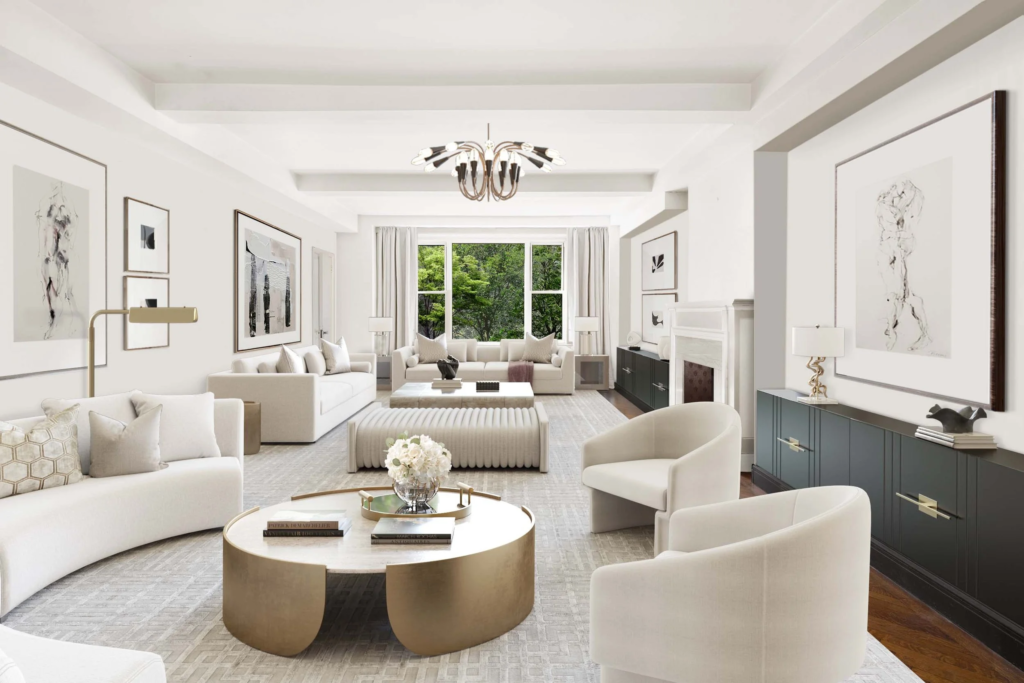
One of the biggest advantages is universal appeal. A home designed with neutral tones and classic materials allows people to imagine themselves in it. It doesn’t impose a strong stylistic identity that might alienate potential buyers or guests. Instead, it creates a sense of openness and possibility.
There’s also a strong connection between timeless design and perceived luxury. When a space relies on natural materials, balanced proportions, and restrained styling, it naturally feels more refined. Unlike trend-heavy interiors that can feel loud or overdone, timeless spaces communicate quality through subtlety.
Another key benefit is longevity. Trend-driven interiors often have a lifespan of just a few years before they start to feel dated. Timeless interiors, on the other hand, age gracefully. They don’t demand constant updates, which makes them both financially and emotionally sustainable.
From a real estate perspective, this translates into something very powerful: lower buyer resistance. A timeless home feels “move-in ready” to a wider audience, which can significantly impact both speed of sale and perceived value.
The Core Elements That Define Timeless Interior Design
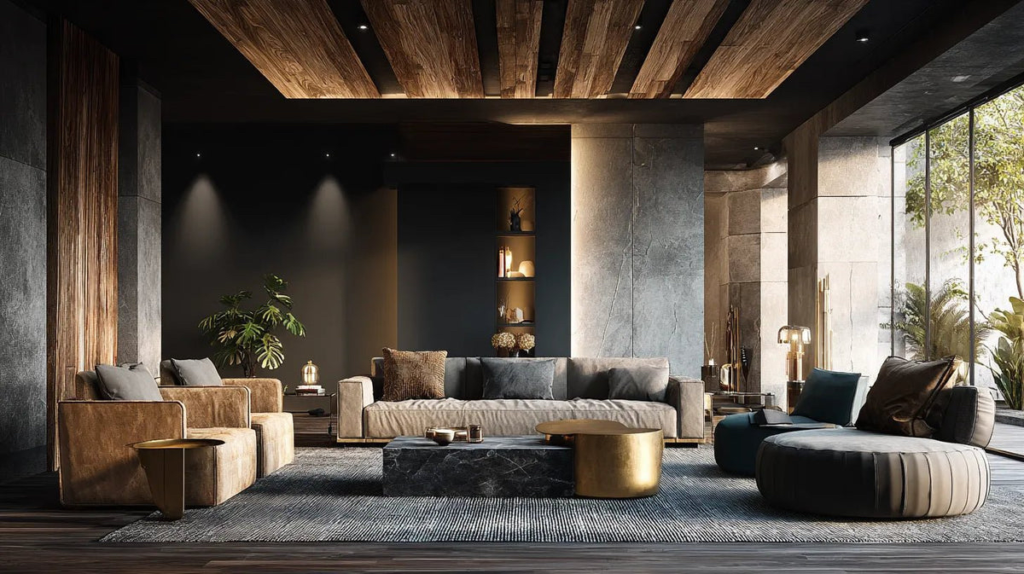
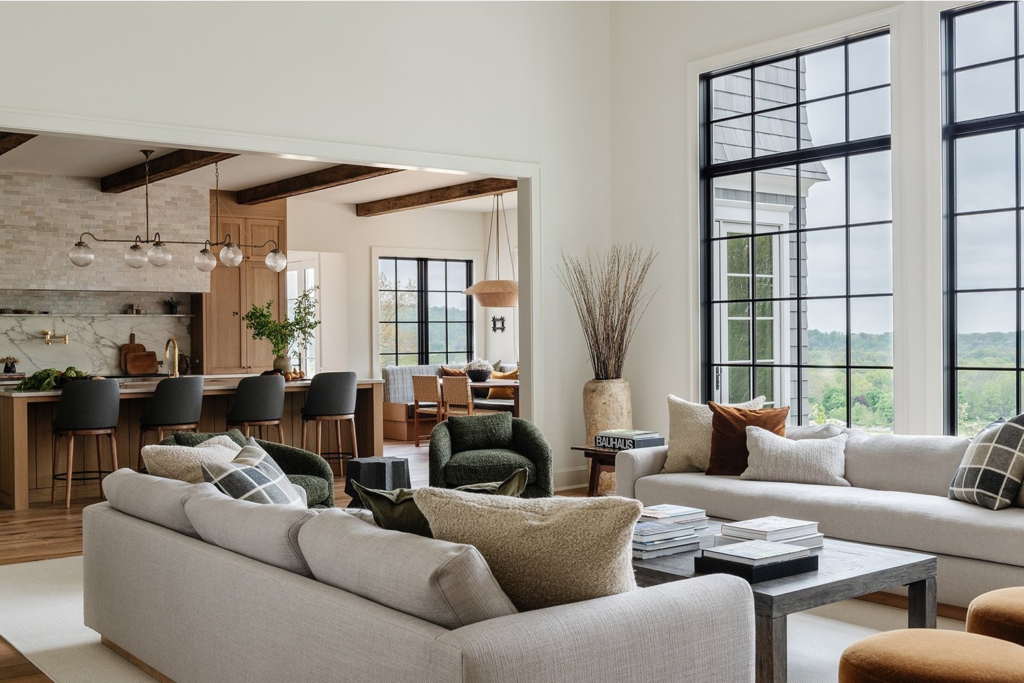
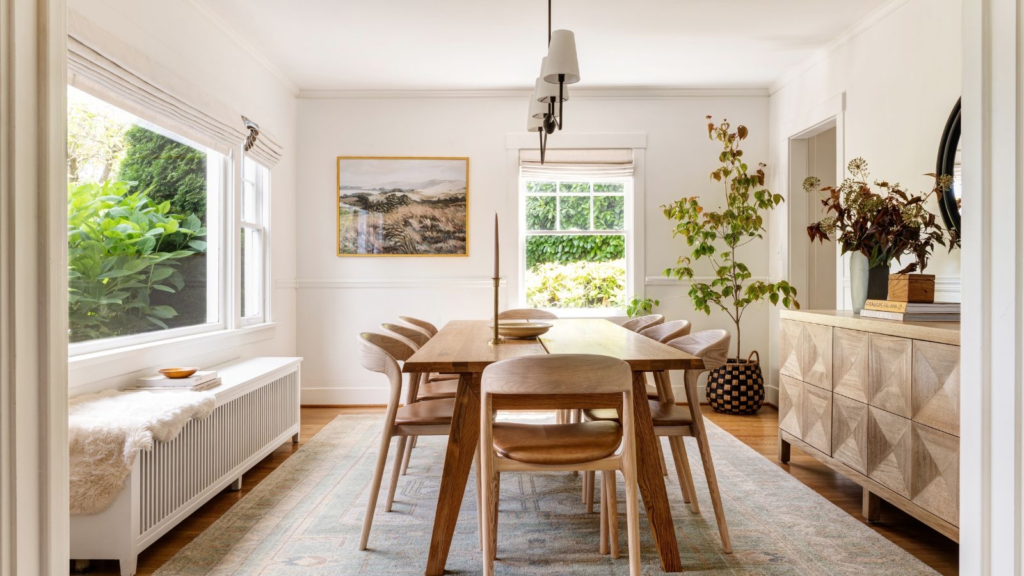
At its foundation, timeless design is built on a careful balance of simplicity, warmth, and material integrity. It begins with the color palette. In 2026, the shift away from cool greys is undeniable. Warm neutrals—soft whites, creams, beiges, and taupes—are taking center stage. These tones create a welcoming atmosphere and provide a flexible base that can adapt over time.
Materials play an equally important role. Natural elements such as wood, stone, linen, wool, and leather bring depth and authenticity to a space. They don’t just look better—they age better. A solid oak table or marble countertop develops character over time, something synthetic materials struggle to replicate.
The lines and shapes within a space also matter. Timeless interiors avoid extremes. They are neither overly ornate nor aggressively futuristic. Instead, they sit comfortably in the realm of “modern classic”—clean, balanced, and enduring.
Lighting is another critical layer that often gets overlooked. A well-designed timeless space uses multiple sources of light—ambient, task, and accent—to create warmth and dimension. The color temperature is equally important, with warmer lighting (around 2700–3000K) helping to soften the overall feel of the space.
Finally, timeless design favors texture over pattern. Instead of relying on bold prints or statement graphics, it builds visual interest through materials—think the softness of bouclé, the grain of wood, or the subtle veining of stone. This approach creates richness without overwhelming the space.
Timeless vs Trendy: Understanding the Real Cost
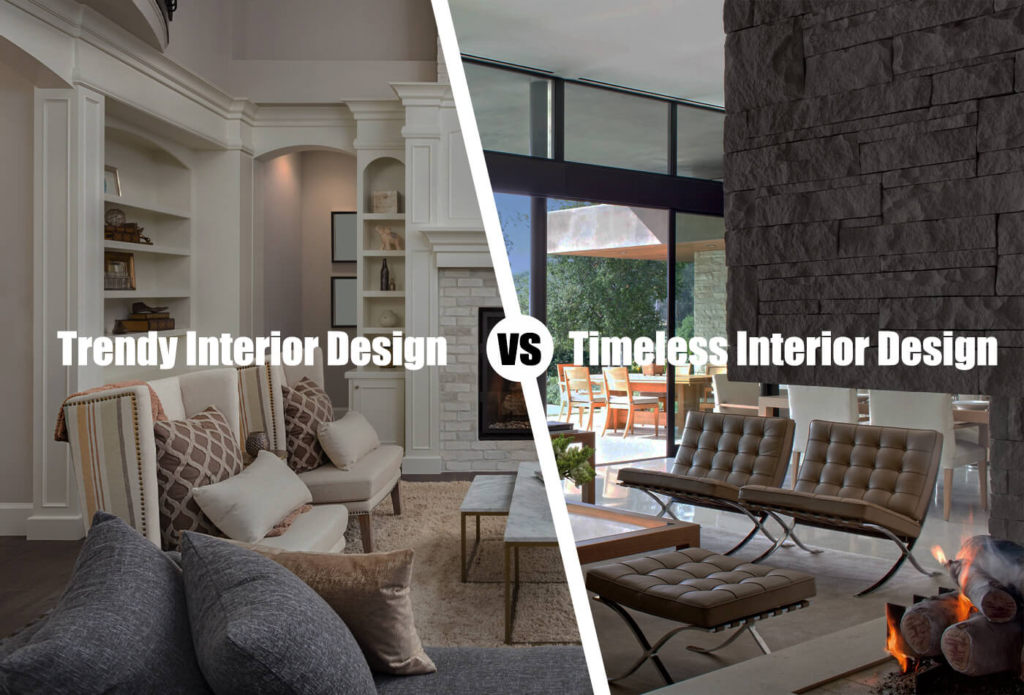
At first glance, trendy and timeless interiors can appear similar in cost. Both may require an initial investment in furniture, finishes, and styling. However, the difference becomes clear over time.
Trend-driven spaces often require updates every few years to stay relevant. What was once stylish can quickly become dated, leading to additional spending on replacements, renovations, or redesigns. This makes the long-term cost significantly higher.
Timeless interiors, in contrast, are designed to last. Their longevity—often spanning a decade or more—means fewer updates, less maintenance, and a more consistent return on investment. They also hold stronger appeal in the resale market, making them a smarter financial decision overall.
A simple way to understand this is through analogy: trendy design is like fast fashion, while timeless design is like tailored clothing. One is made for the moment; the other is made to endure.
How to Transition Your Space Without Starting Over
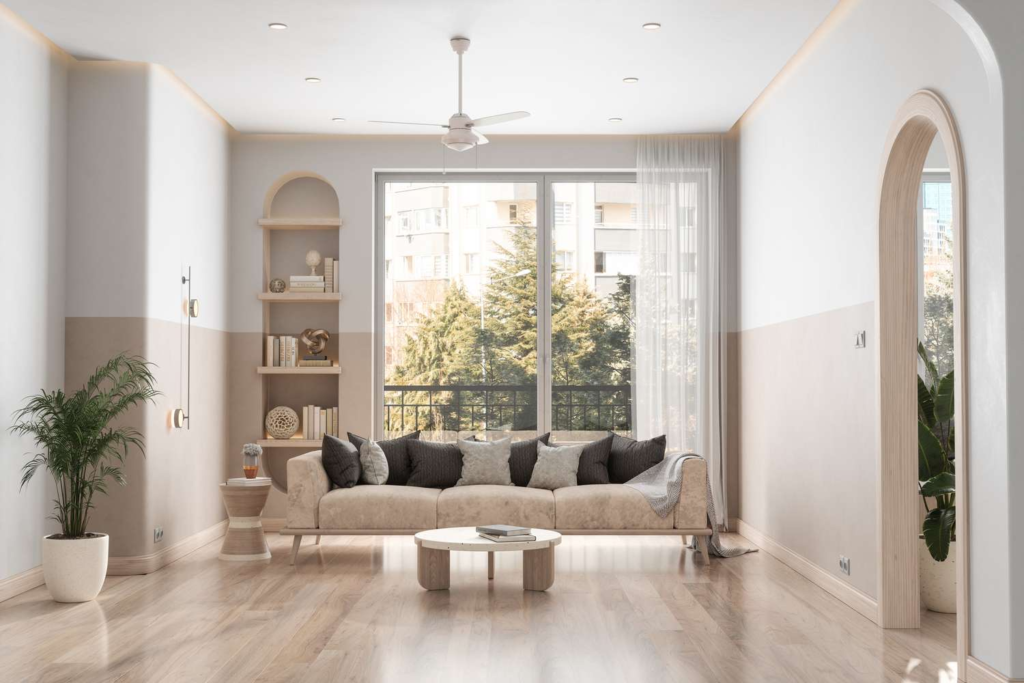
Shifting from a trend-heavy interior to a timeless one doesn’t require a full renovation. In fact, some of the most impactful changes are surprisingly simple.
The first step is to reduce visual noise. This means decluttering and removing overly bold or trendy décor elements that dominate the space. Creating a calmer foundation instantly changes how a room feels.
Next, focus on neutralizing large surfaces. Walls painted in warm whites or soft neutrals can transform the atmosphere of a room. Rugs, too, should move toward textured, understated designs rather than loud patterns.
Upgrading materials is another powerful move. Replacing laminate finishes with wood or stone—where possible—adds authenticity and depth. Even small changes, like switching from high-gloss to matte or brushed finishes, can make a noticeable difference.
Furniture should also be simplified. Instead of filling a space with multiple statement pieces, aim for fewer, higher-quality items with clean, classic silhouettes. This creates a sense of balance and intention.
Finally, introduce depth through layering. Soft textiles, natural fibers, and subtle variations in texture can add richness without overwhelming the design. The goal is to create interest in a quiet, refined way.
Real Transformations That Show the Power of Timeless Design
Consider a typical “all-grey” living room—a popular choice in past years. While it may have once felt modern, it often comes across as cold and dated today. By shifting to warm white walls, introducing wood accents, and layering in soft textiles, the same space can feel instantly warmer, more inviting, and more expensive.
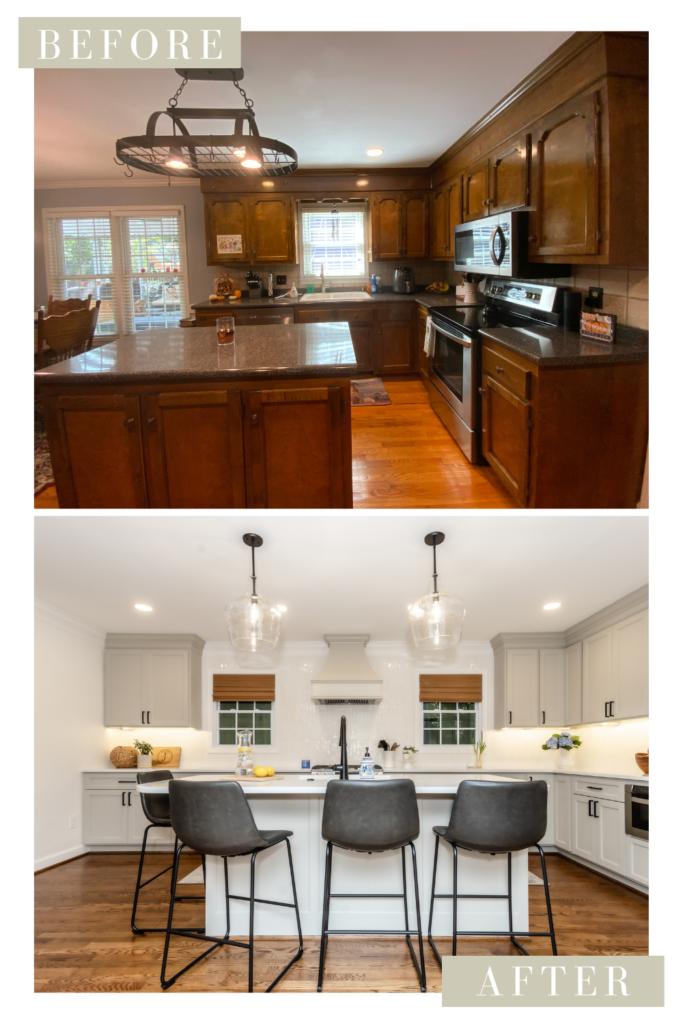
Kitchens offer another compelling example. A design centered around bold backsplashes and colored cabinetry may feel unique initially, but it can limit long-term appeal. Replacing those elements with neutral cabinetry, natural stone countertops, and understated hardware creates a kitchen that feels both current and enduring—one that appeals to a much broader audience.
Even heavily decorated spaces can benefit from a timeless approach. By reducing the number of items and focusing on quality over quantity, a room transforms from chaotic to curated. The result is a sense of calm that is both visually and emotionally satisfying.
Common Mistakes That Undermine Timeless Design
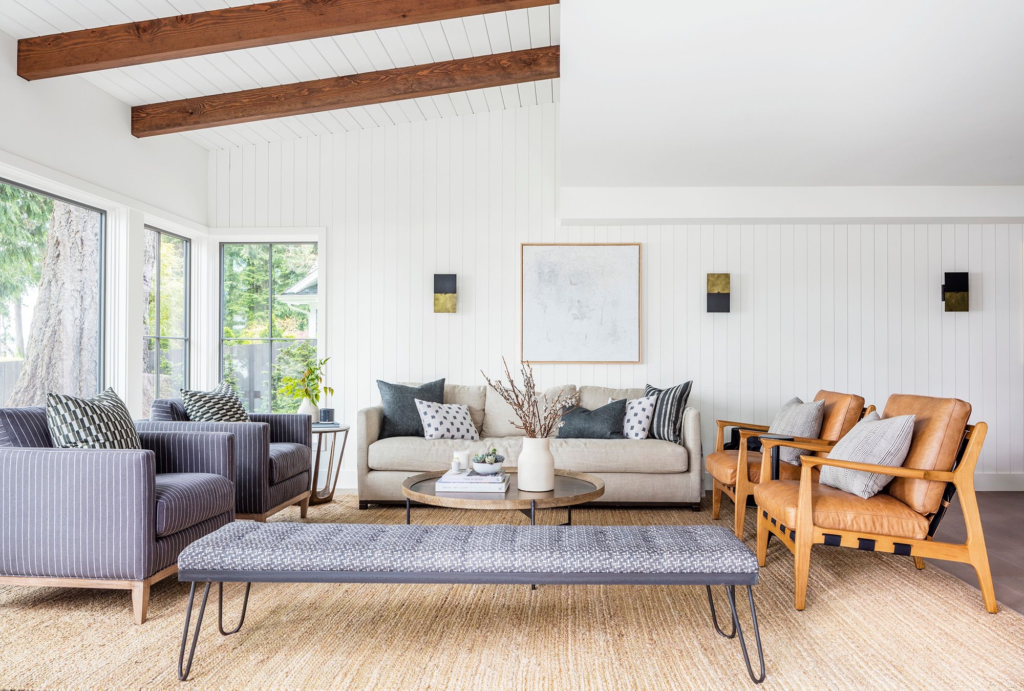
While the concept of timeless design is simple, executing it correctly requires balance. One of the most common mistakes is going too minimal. A space stripped of personality can feel cold and uninviting. Timeless interiors should feel warm, not empty.
Lighting is another frequent oversight. Even the most beautifully designed room can fall flat if the lighting is harsh or poorly planned. Layered, warm lighting is essential to achieving the right atmosphere.
Material quality also becomes more important in neutral spaces. When color and pattern are restrained, flaws become more visible. Investing in better materials ensures the space feels elevated rather than flat.
Another pitfall is blindly copying popular “beige” aesthetics without adding depth or individuality. Timeless design is not about imitation—it’s about thoughtful layering and subtle variation.
Finally, mixing too many styles can create visual confusion. A cohesive direction—such as modern classic—helps maintain clarity and harmony throughout the space.
Designing for the Future, Not Just the Moment
Timeless interior design represents a shift in mindset. It’s no longer about creating spaces that impress instantly—it’s about creating spaces that continue to feel right over time.
In 2026, the most compelling interiors are not the loudest or the most trend-driven. They are the ones that feel effortless, balanced, and enduring. They are designed with intention, shaped by quality, and grounded in longevity.
Because in the end, a truly well-designed space doesn’t chase attention—it earns it, quietly, year after year.