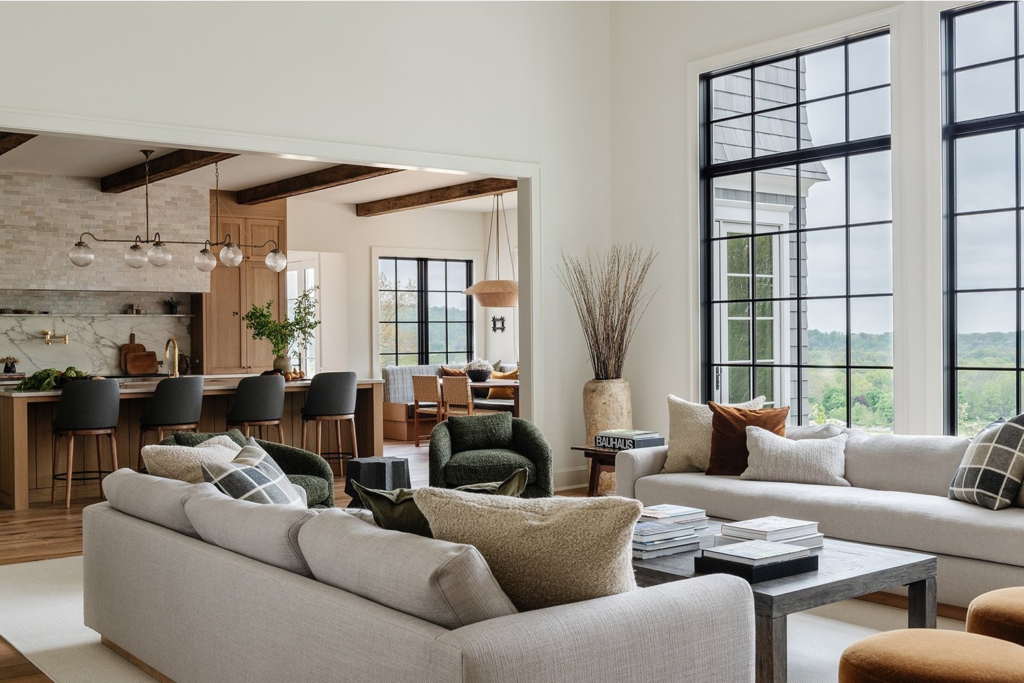
For decades, the formal dining room was considered a symbol of elegance in a home. Yet in modern lifestyles, many homeowners rarely use it. Outside of holidays or special occasions, the space often sits empty.
At the same time, people crave comfortable areas for reading, working, relaxing, and meaningful conversation. As homes adapt to modern living, designers are rethinking how rooms function.
One of the most exciting solutions emerging in home design is the Dining Library.
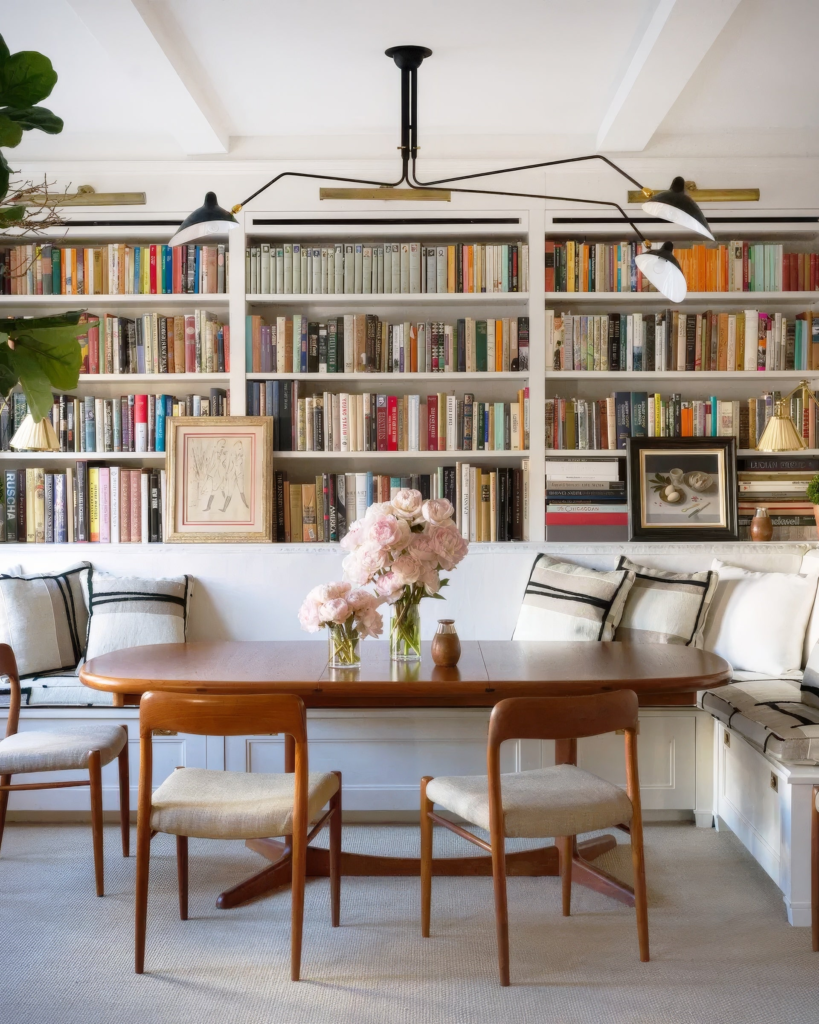
A dining library blends the practicality of a dining room with the warmth and intellectual atmosphere of a library or reading lounge. Instead of a single-purpose room, it becomes a space where people gather, share meals, read books, work quietly, and enjoy meaningful conversation.
Interior designers, architects, and custom home builders increasingly recommend dining libraries because they create depth, personality, and functionality within a home. Rather than leaving square footage unused, homeowners transform it into a flexible space that adds both comfort and character.
The dining library trend is gaining traction in home renovations, custom builds, and even apartment redesignsbecause it allows homeowners to maximize the potential of their space without undertaking major structural renovations.
In this guide, we will explore everything you need to know about designing a dining library — including layout ideas, design elements, paint colors, lighting strategies, and whether this trend can even increase your home’s resale value.
1. What Is a Dining Library?
A dining library is a hybrid space that combines:
- a dining area
- bookshelves or library storage
- layered lighting
- comfortable seating
- decor that encourages reading and conversation
Unlike a traditional dining room that features only a table and chairs, a dining library introduces shelving, books, artwork, and ambient lighting to create a more immersive environment.
The concept draws inspiration from European salons, historic libraries, and cozy reading rooms, where meals and intellectual discussions naturally take place in the same setting.
Instead of a room used only occasionally, a dining library becomes a daily-use living space. Families might gather there for breakfast while browsing a book, or guests may linger after dinner while enjoying coffee and conversation.
In practical terms, a dining library typically includes:
- bookshelves or built-in cabinetry
- a central dining table
- layered lighting such as chandeliers and wall sconces
- comfortable chairs or reading nooks
- warm textures like rugs and wood
The result is a space that feels thoughtful, elegant, and welcoming.
Because books and shelving naturally add depth to a room, dining libraries often feel more sophisticated than standard dining rooms. Even modest homes can achieve a rich, curated look simply by incorporating shelving and thoughtful design elements.
2. Why Multipurpose Rooms Are Becoming More Popular
The rise of dining libraries reflects a broader shift in how people use their homes.
Modern homeowners want spaces that are flexible, efficient, and meaningful, rather than rooms that serve only one purpose.
Changing Lifestyle Needs
Many households today balance work, relaxation, and social gatherings within the same environment. With remote work becoming more common, homeowners want rooms that support multiple activities without feeling cluttered.
A dining library allows people to transition naturally between tasks — from dining to reading to working — without leaving the room.
Smaller Homes and Efficient Design
Many modern homes prioritize efficient layouts over large square footage. Instead of maintaining several specialized rooms, designers focus on flex rooms that adapt to different needs.
By transforming a dining room into a dining library, homeowners effectively add a reading room, workspace, and entertainment area without expanding the home’s footprint.
Experience-Driven Design
Modern interior design emphasizes how spaces feel, not just how they look.
Rooms filled with books create a sense of warmth, curiosity, and depth. Guests often feel naturally drawn to spaces that encourage conversation and reflection.
A dining library creates an atmosphere where people want to linger — a quality that traditional dining rooms often lack.
Increased Personalization
Dining libraries also allow homeowners to showcase personal interests. Books, travel artifacts, artwork, and decorative objects can all become part of the room’s story.
This sense of personality is something buyers increasingly value when touring homes.
3. Core Design Elements of a Dining Library
Designing a dining library requires thoughtful planning. The goal is to balance function, comfort, and aesthetics while ensuring the room remains practical for everyday use.
Several key elements define a successful dining library.
The Dining Table: The Anchor of the Room
The dining table remains the central feature of the space.
Because bookshelves add visual complexity, the table should act as a grounding element that balances the room.
Solid wood tables are particularly effective because they introduce warmth and durability. Materials such as oak, walnut, and reclaimed wood complement the intellectual atmosphere of a library environment.
Round tables are often ideal for smaller dining libraries because they encourage conversation and allow better movement around the room. Rectangular tables work best in larger spaces where multiple guests gather regularly.
When selecting a table, avoid overly decorative bases that compete visually with the shelving. Simpler silhouettes create a more harmonious overall design.
Bookshelves and Storage
Shelving is the defining characteristic of a dining library.
Depending on budget and structural limitations, homeowners can choose from several options.
Wall-mounted shelves offer a renter-friendly solution that requires minimal installation. Modular bookcases provide flexibility and can be rearranged over time.
For homeowners seeking a permanent upgrade, built-in shelving is the most elegant option. Custom millwork can extend from floor to ceiling, transforming the dining room into a true library environment.
Built-ins also allow designers to incorporate cabinets, hidden storage, or display niches, which keep the room organized while maintaining visual appeal.
From a structural design perspective, built-ins should be anchored securely to wall studs to support the weight of books and decorative objects.
Lighting Layers
Lighting dramatically influences how the room feels.
Dining libraries benefit from multiple layers of lighting, including:
- overhead chandeliers for general illumination
- wall sconces for ambient light
- table lamps or accent lighting for reading
Warm light temperatures between 2700K and 3000K help create a cozy environment that encourages relaxation.
Integrated shelf lighting is also becoming popular in custom designs. Small LED strips hidden beneath shelves can softly illuminate books and decor, adding depth to the room at night.
Texture and Material Balance
Texture prevents the space from feeling overly formal.
Bookshelves already introduce visual texture through varied book spines and decorative objects. Designers often enhance this effect by incorporating materials such as:
- wool or Persian rugs
- upholstered dining chairs
- linen curtains
- leather seating accents
These elements create layers that make the room feel inviting and comfortable.
4. Three Versions of Dining Libraries for Every Budget
One reason the dining library trend is growing rapidly is that it can be implemented at almost any budget level.
Renter-Friendly Dining Library
Even renters can create a dining library with minimal investment.
Freestanding ladder shelves provide vertical storage without requiring permanent installation. Plug-in wall sconces can create warm lighting without rewiring the room.
Decorative wallpaper or peel-and-stick panels can add character behind shelves without damaging walls.
This approach typically costs between $500 and $1500, making it an accessible upgrade for apartments or temporary homes.
Mid-Range Dining Library
Homeowners seeking a more polished design often choose semi-custom shelving combined with upgraded furniture.
This version might include wall-mounted shelves, a high-quality dining table, layered lighting, and decorative rugs.
The goal is to create a cohesive design that feels curated and intentional.
A mid-range dining library typically costs between $2000 and $7000, depending on materials and furniture choices.
Custom Built-In Dining Library
The most luxurious version involves custom millwork.
Floor-to-ceiling cabinetry, integrated lighting, and architectural molding create a space that feels like part of the home’s original structure.
Built-ins can also incorporate hidden storage, wine racks, or ladder systems for accessing higher shelves.
While this option requires a larger investment — often $10,000 to $40,000 or more — it significantly enhances the home’s character and perceived value.
5. Best Paint Colors and Mood-Setting Finishes
Color plays a crucial role in defining the mood of a dining library.
Many designers recommend deeper tones that enhance the cozy atmosphere associated with traditional libraries.
Popular color choices include:
- deep forest green
- navy blue
- charcoal gray
- warm taupe
- chocolate brown
These colors create contrast with books and shelving while making the room feel intimate.
Homes with lighter interiors may prefer softer shades such as sage green, dusty blue, or warm cream.
Matte or eggshell finishes are typically preferred because they reduce glare and create a softer visual effect.
6. Small-Space Dining Library Layouts
You do not need a large room to create a dining library.
Even compact dining spaces can benefit from thoughtful design strategies.
Single-Wall Library
In narrow rooms, installing shelving along one wall prevents the space from feeling crowded while still introducing the library concept.
Corner Library
An L-shaped bookshelf arrangement can frame the dining table beautifully and create a cozy corner environment.
Window-Framed Library
Shelves installed on either side of a window create a natural focal point while allowing light to enter the room.
This layout is especially effective in smaller homes or apartments.
7. Product Ideas for a Dining Library
Many products can help bring a dining library to life.
Popular design elements include:
Shelving
- modular bookcases
- ladder shelves
- custom built-ins
Lighting
- brass wall sconces
- vintage chandeliers
- plug-in reading lamps
Furniture
- upholstered dining chairs
- leather accent chairs
- rolling library ladders
Accessories
- decorative bookends
- ceramic vases
- framed artwork
- indoor plants
These elements create visual layers that make the room feel curated rather than staged.
8. Common Dining Library Mistakes to Avoid
While dining libraries are versatile, poor planning can lead to design challenges.
One common mistake is overcrowding the room with too many shelves or decorative objects. A library should feel curated, not cluttered.
Another issue is insufficient lighting. Bookshelves can create shadows, so layered lighting is essential.
Scale is also important. Large built-ins may overwhelm smaller rooms, so shelving dimensions should match the space.
Finally, mixing too many design styles can make the room feel chaotic. Consistency in materials and color palette helps maintain a cohesive design.
9. Does a Dining Library Add Resale Value?
Flexible spaces are increasingly attractive to homebuyers.
Real estate professionals often report that homes with built-ins and thoughtfully designed rooms feel more valuable and memorable.
A dining library can enhance resale appeal because it demonstrates how a room can serve multiple purposes.
Buyers may envision using the space as a reading room, home office, or creative studio.
However, the design should remain neutral enough to appeal to a broad audience. Avoid overly personalized themes that may not suit future buyers.
10. Final Dining Library Styling Checklist
Before completing your dining library, review this checklist to ensure balance and functionality.
✔ Dining table with comfortable seating
✔ Well-organized shelving layout
✔ Layered lighting sources
✔ Cozy area rug
✔ Decorative books and objects
✔ Warm paint colors
✔ Hidden storage solutions
✔ Personal artwork or decor
✔ Plants or greenery
When these elements come together, the dining library becomes a room that feels inviting, thoughtful, and uniquely personal.
Conclusion
The dining library represents a powerful shift in modern home design.
Rather than dedicating entire rooms to a single function, homeowners are embracing spaces that adapt to multiple needs. By combining dining and reading in one environment, the dining library creates a room that encourages connection, curiosity, and comfort.
Whether you choose a renter-friendly version with simple shelving or invest in custom built-ins, this flexible design concept can transform an underused dining room into one of the most beloved spaces in the home.
As homes continue to evolve, dining libraries are likely to become one of the most influential interior design trends of the decade.