Start With the Windows, Not the Furniture — The Quickest Way to Refresh Any Room This Spring
Before you move a single sofa or splurge on a new accent chair, look up. Your windows are running the emotional temperature of every room in your home — and most people never touch them.

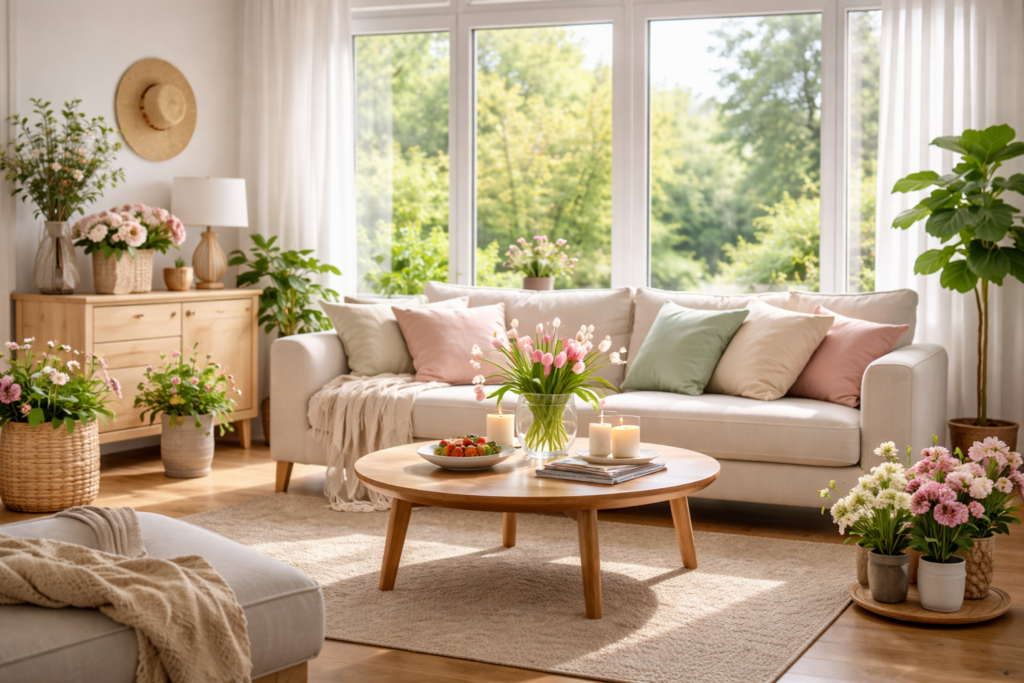
Soft, light-filtering window treatments can change the entire emotional tone of a room — without moving a single piece of furniture.
Here is something I have learned after walking through multiple homes — as a buyer, a person who is genuinely obsessed with how a space feels the moment you step into it: furniture is almost never the real problem.
The sofa is fine. The rug is fine. What is draining the life out of most rooms is the windows. Heavy curtains from five years ago. Plastic blinds that never quite close properly. Sheers that went grey in the wash and were put back up anyway. Or — worst of all — nothing. Just bare glass that bounces harsh midday light off every hard surface in the room.
Spring is the exact moment when this becomes impossible to ignore. The light shifts. The days get longer. And suddenly that room that felt perfectly cozy in January feels airless and flat. The fix is almost always the windows first.
Why Windows Control Everything Else
Light is the first thing your eye reads when you walk into a room. Not the furniture arrangement. Not the color on the walls. The quality, direction, and softness of the light — and how the window treatment shapes it — sets the entire tone before your brain has registered anything else.
A room with beautiful furniture and a harsh, stark window treatment will always feel slightly “off.” But a room with modest furniture and a beautifully chosen window treatment? That room feels expensive, calm, and carefully considered. I have seen this play out in staging scenarios so many times it has stopped surprising me. The $3,000 sofa barely gets noticed. The $180 linen curtains get mentioned in the listing comments.
This is especially true in spring. The sun moves higher in the sky. Mornings get brighter earlier. Rooms that were comfortable all winter are suddenly getting raked with direct light in ways that expose every piece of worn upholstery and dusty surface. The right window treatment diffuses that light into something liveable, flattering, and genuinely beautiful.
What Spring 2026 Window Design Actually Looks Like
The direction right now is unmistakably softer. Interior designers are pulling hard away from anything that reads as stiff, formal, or architectural in a rigid sense — and moving toward window treatments that feel relaxed, layered, and almost effortless. There are a few specific styles that are doing a lot of heavy lifting this season.
Sheer and semi-sheer drapes
Sheers are having a genuine moment, but not the cheap nylon kind from a budget catalogue. We are talking about linen-cotton blends, gauzy cotton voile, and fabric-forward options that have actual weight and drape. Hung high — right at the ceiling line or as close to it as your walls allow — these make even a modest room feel significantly taller and airier. They filter light without killing it. They soften the view without blocking it.

Hanging sheers from the ceiling line rather than the window frame is one of the simplest tricks to make a room feel taller and more refined.
For living rooms and bedrooms, this is the single highest-impact change you can make for the money. A pair of quality linen-look panels from a reputable retailer — hung correctly — will do more for the spring feel of a room than almost any piece of furniture you could add.
Café curtains in kitchens and breakfast nooks
Café curtains have been circling back for a while now, and this spring they are fully landed. The appeal is practical as much as aesthetic. In a kitchen, you usually want privacy from the street or the neighbor’s sightline — but you absolutely do not want to lose the daylight. A half-curtain hung at the mid-point of the window solves both problems cleanly.

Café curtains in a kitchen preserve daylight while adding a soft, lived-in charm that bare windows or full blinds simply cannot match.
The details matter here. Skip the stiff polyester. Go for natural fabrics — a lightweight linen, a washed cotton, or even a subtle stripe on a cotton base. Keep the hardware simple. A thin brass or matte black rod with clip-rings is all you need. The effect is unfussy, inviting, and far more characterful than a standard blind.
Layered treatments for depth and control
One of the most designer-feeling approaches — and also one of the most practical — is layering. A woven roman blind or a simple roller blind as the base layer, with a relaxed panel of sheer fabric hanging in front of it. The blind handles the privacy and the light blocking when you need it. The sheer handles the daytime look and the softness.
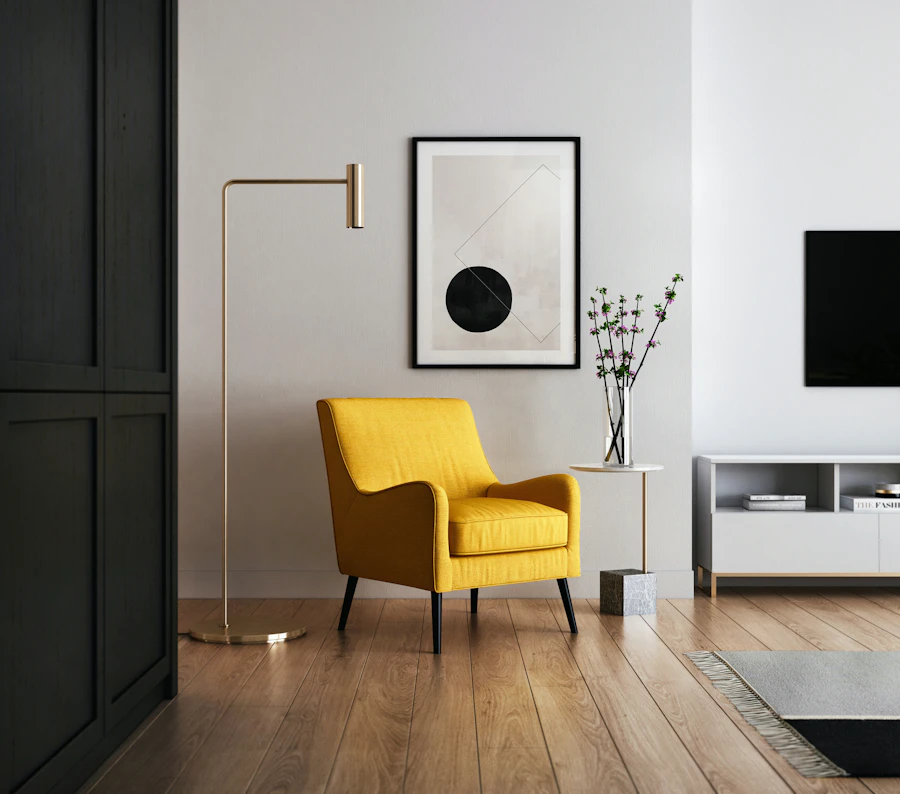
Layered window treatments — a Roman blind underneath with a sheer panel in front — give you total control over light and privacy without sacrificing elegance.
This layered approach works especially well in bedrooms and home offices where you need genuine blackout capacity at certain times but want the room to feel open and light during the day. It also photographs beautifully, which matters if the room is going to appear in listing photos, rental listings, or design content.
Choosing the Right Treatment for Each Room
Not every window treatment works in every space. Here is a practical breakdown to help you match the right approach to the room you are working on.
| Room | Best Treatment | Why It Works |
|---|---|---|
| Living Room | Floor-length sheer panels or relaxed linen drapes | Adds height, softens light, looks elevated in photos |
| Kitchen | Café curtains or woven roman blind | Preserves daylight, easy to clean, adds warmth |
| Bedroom | Layered (sheer + blackout blind) or lined drapes | Light control without sacrificing softness |
| Home Office | Cellular shade or layered sheer + roller | Reduces screen glare while keeping room bright |
| Bathroom | Frosted film or café curtain | Privacy without full blackout; easy maintenance |
| Small space / nook | Single sheer panel or simple Roman blind | Does not crowd the window; keeps the space open |
The Mistakes That Make Window Treatments Look Wrong
Getting the style right is only half the job. The installation details are where most people lose the effect they were going for. These are the mistakes I see most often — in homes I am showing, in renovation projects, and in spaces that almost work but do not quite get there.
Hanging too low, too narrow
This is by far the most common error. When a curtain rod is mounted just above the window frame — and the curtain panels only cover the glass — you have done nothing for the room. You have just put fabric in front of a window. Hang the rod close to the ceiling. Extend it six to twelve inches beyond the frame on each side. The curtain should pool slightly at the floor or break just at the baseboard. That is what makes a room look designed rather than furnished.
If your ceilings are 8 feet, hang your rod at 7’6″ or as high as the trim allows. If they are 9 feet, go to 8’6″. The visual difference between a curtain hung at window height versus ceiling height is the difference between a room that looks finished and one that does not.
Choosing the wrong weight of fabric
Heavy velvet or a stiff blackout-lined panel in a bright, airy room is a contradiction. The fabric fights the room instead of supporting it. In spring especially, lean toward lighter weights — linen-cotton blends, cotton voile, washed cotton — that move a little when the window is open and carry softness into the space. Save the weight for rooms where you genuinely need it.
Neglecting the hardware
A beautiful panel on a cheap white plastic rod undermines everything. The hardware does not need to be expensive. It does need to be intentional. Matte black works in almost any modern or transitional space. Unlacquered brass works beautifully in warmer rooms. Simple is better than ornate. Just do not overlook it.
What This Actually Costs — And Why It Is Worth It
I want to be honest with you here because I see a lot of home content that skips over the practical part. You do not need to spend thousands of dollars to get this right. What you do need is to spend the money in the right place.
A pair of quality linen-look curtain panels in a neutral — warm white, ecru, soft oat — from a reputable retailer like IKEA’s DYTÅG line, H&M Home, or a mid-tier curtain specialist will run you somewhere between $60 and $200 for a standard window, depending on the length and weight. Add a decent rod and hardware for $30 to $80. For most windows, you are looking at $100 to $280 total — and the visual return on that is genuinely disproportionate.
For context: a new sofa will cost you $800 to $3,000 and may or may not solve the problem you actually have. The right window treatment almost always solves the problem you actually have, which is that the room’s light quality is working against you.
For Investors and Home Sellers: Why This Matters in Photos
If you are preparing a home for sale, for a rental listing, or for any kind of photography — this is not optional. The camera does not have the same adaptive response as the human eye. Bare or poorly treated windows create blown-out overexposed zones in listing photos that make rooms look smaller, flatter, and less appealing than they actually are.
A sheer panel — even a simple, inexpensive one — diffuses that direct light hit. It gives the photographer something to work with. It softens the contrast between the interior and the exterior view. In the finished image, the room reads as calmer, larger, and more cohesive. Multiply that across every windowed room in a property and you have materially improved your marketing materials without spending anything close to what a single appliance upgrade would cost.
This is part of a broader philosophy about where to invest in a home before selling or renting it. Small, high-visibility changes — the ones that register immediately in photos and in person — consistently outperform expensive structural upgrades on ROI. Window treatments are near the top of that list.
Part of a bigger spring refresh?
Window treatments are just one of seven strategic moves designers are using to refresh rooms this season. We cover all of them — from book-led styling to multifunction layouts and smart color placement — in our full spring design guide.
Read: 7 Designer Moves That Refresh Any Space →The Bottom Line
If you are walking into spring and something about your home feels heavier than the season calls for — do not start with the furniture. Start with the windows. Stand in the room at different times of day. Notice where the light is harsh. Notice where it is blocked. Notice what your window treatments are actually doing to the room versus what you hoped they would do.
A soft, well-hung treatment that filters rather than blocks, that adds height rather than cutting it off, that complements the light rather than fighting it — that is the fastest, most cost-effective design upgrade most rooms will ever get. It changes the light. And the light changes everything.
Previous Article
Spring Room Design Ideas 2026: Fresh & Modern Inspiration
Explore inspiring ideas to refresh your space this spring with modern design trends, color palettes, and practical styling tips.