
Should You Wait for Rates to Drop, or Buy Now? What Ontario’s 2026 Housing Data Actually Says
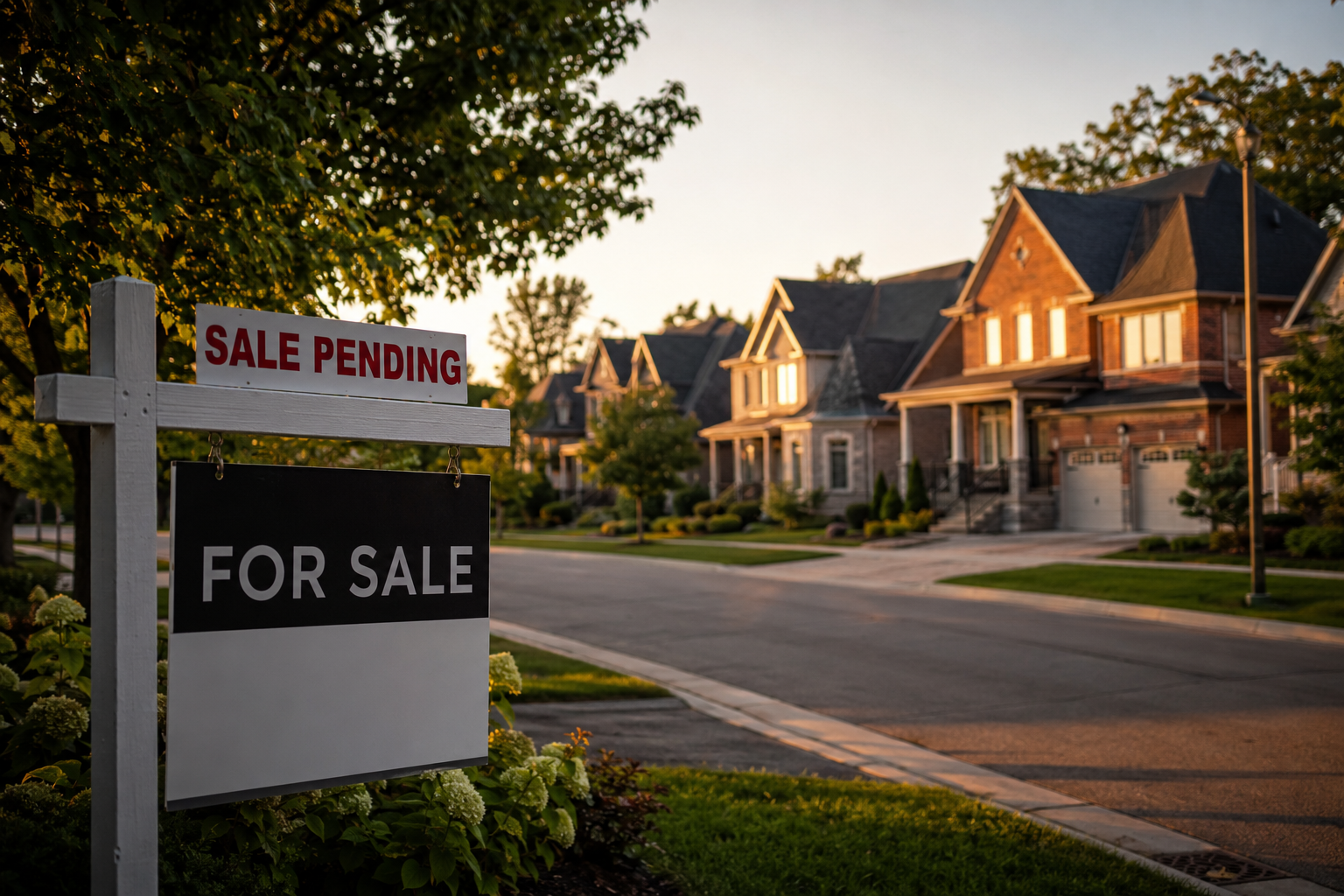
Every fence-sitting buyer in Ontario is asking a version of the same question this summer, and the honest answer buried inside the latest housing numbers is more useful than any rate prediction floating around a dinner table: waiting for a big rate drop is a bet on something the people paid to forecast it don’t think is coming this year. TD Economics, one of the more conservative voices in Canadian housing, expects the Bank of Canada to stay on hold through 2026, with no major movement in the bond yields that set fixed mortgage pricing. If you’re holding out for a repeat of 2020, you’re not being patient — you’re waiting for a different economy.
That doesn’t mean the calculus is simple, or that everyone should buy tomorrow. Ontario is genuinely a buyer’s market right now for the first time in years, and that leverage is worth understanding before you decide whether patience or action serves you better.
An SNLR under 40% means there are meaningfully more homes for sale than there are buyers willing to close on them — the textbook definition of negotiating power sitting on the buyer’s side of the table. Ontario’s new listings actually fell 12.7% year-over-year in May even as sales climbed, which sounds contradictory until you realize what it means in practice: the sellers who are listing right now are the motivated ones, not the ones testing the market. That’s a different kind of leverage than raw inventory counts suggest, and it’s part of why average prices ticked up slightly month-over-month even in a buyer-favourable environment.
Here’s what most people miss when they’re waiting on rates specifically: fixed mortgage pricing in Canada doesn’t move because the Bank of Canada feels generous. It tracks the Government of Canada five-year bond yield, which reacts to inflation expectations, global capital flows, and investor sentiment — often independent of anything the central bank does. TD’s current position is that this yield stays largely neutral through the year, which means the rate environment you’re shopping in right now is close to the rate environment you’ll be shopping in come December. The variable you actually have some control over is price, and price is where Ontario’s current conditions genuinely favour a patient, well-prepared buyer.
The regional picture matters more than the national headline here. Kitchener-Waterloo’s average home price sat at $744,032 in the most recent data, down 5.7% year-over-year, and RE/MAX’s 2026 outlook actually forecasts another 3% decline for the region even as sales activity ticks up 4% — a market where more people are transacting at lower prices, which is about as clear a buyer signal as this data gets. Toronto tells a starker version of the same story: the condo segment sits roughly 25% below its 2022 peak, and TD expects prices there to eventually dip below pre-pandemic levels. If your target is a Toronto condo or a KW-area detached home, the “wait for rates” logic is working against you twice over — rates likely aren’t moving much, and the price correction in these specific segments may have further to run before it stabilizes, which cuts both ways depending on your timeline.
There’s one policy lever worth tracking closely if you’re specifically eyeing a new build rather than resale: the proposed HST rebate for first-time buyers, which would combine federal tax relief with an Ontario provincial rebate to save eligible buyers up to $130,000 on qualifying new homes under $1 million. It hasn’t been finalized, and CMHC’s own 2026 outlook flags that affordability — not interest rates — remains the primary constraint holding back Ontario’s housing recovery even as borrowing costs stabilize. If this rebate clears its legislative hurdles, it changes the math for new-build buyers more dramatically than a quarter-point rate cut ever would, and it’s the kind of catalyst worth genuinely waiting for, as opposed to a rate move that may not materialize.
The counterintuitive part of this market is that “wait and see” has quietly become the majority position, and that hesitation is itself propping up prices more than most buyers realize. CMHC describes Ontario’s expected 2026 sales bump as pent-up demand from a genuinely weak stretch, not the start of a sustained recovery — which means the buyers who move now, while everyone else is still waiting for a rate signal that may not come, are transacting in a market with less competition than the headlines about “improving conditions” would suggest. Sellers, for their part, are watching closely to see if asking prices are actually being met before committing to their own next move, which is its own quiet vote of low confidence in a near-term rebound.
None of this is a directive to buy immediately, and nobody should treat a housing forecast as a substitute for their own financial readiness. But if the plan has been to sit on the sidelines until rates fall meaningfully, it’s worth being honest about what the data is actually forecasting: a flat rate environment, a buyer-favourable Ontario market that may not stay this loose once sales momentum builds through the back half of the year, and a policy change on the horizon that matters more than the rate move most people are waiting on. The window that’s open right now is a pricing and negotiating window, not a rate window — and those two things are easy to confuse when every headline is about the Bank of Canada.

If there’s a single reframe worth taking from this season of data, it’s that “waiting for rates” has become a kind of comfortable inaction — a reason to delay a decision that’s really about readiness, not timing. The buyers who do best in a market like this one aren’t the ones who called the bottom. They’re the ones who stopped waiting for permission from a forecast and started paying attention to what was actually negotiable in front of them.
Patience is not the same as waiting. Patience is knowing exactly what you’re waiting for.
— NestDigest