Why Homes Are Starting to Feel Different
There was a time—not long ago—when the perfect home looked almost untouched. White kitchens, gray walls, and carefully curated spaces that felt more like a photoshoot than a place to live.
But step into one of those homes today, and something feels… off.
It’s not that they’re outdated in the traditional sense. It’s subtler than that. The spaces feel cold, overly controlled, and strangely impersonal—as if no one actually lives there.
That’s exactly why 2026 is marking a turning point.
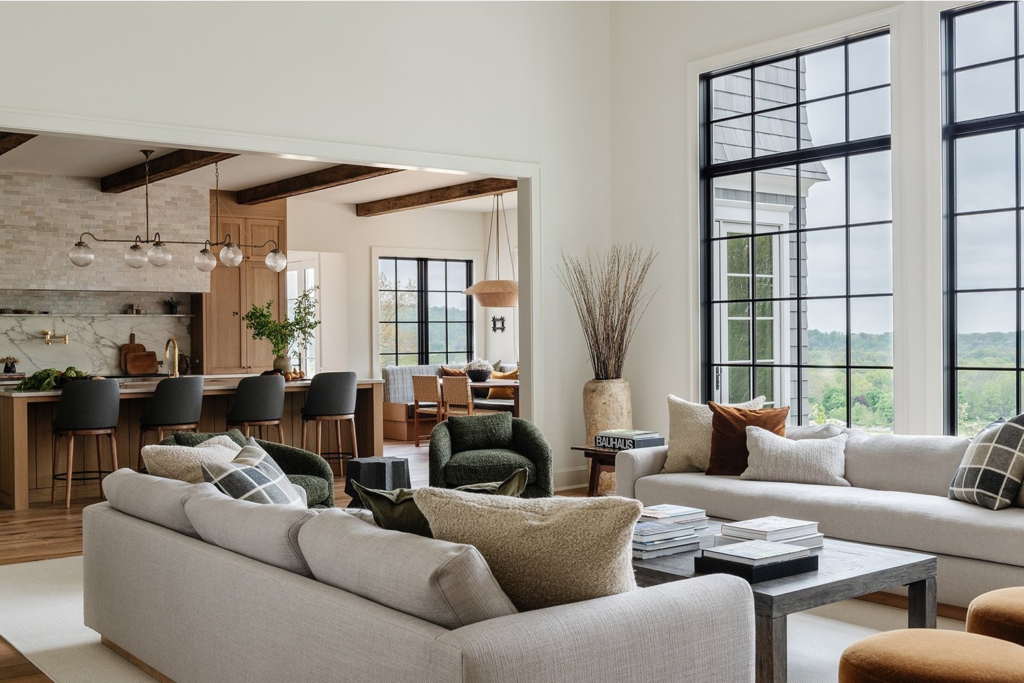
Homeowners are no longer chasing perfection. They’re chasing feeling—warmth, comfort, personality. Spaces that tell a story, not just follow a trend.
And with that shift, many once-popular design choices are quietly being left behind.
The Kitchen: From Showroom to Sanctuary
Walk into a modern kitchen from five years ago, and everything is exactly where it should be. The cabinets are bright white, the countertops are spotless, and every appliance is proudly on display.
At first glance, it looks flawless.
But stay a moment longer, and the space begins to feel more like a showroom than a home.
That pristine, all-white aesthetic—once the gold standard—now reads as sterile and overly polished. The cool gray tones that followed only amplified that feeling, draining warmth from the space.
In 2026, kitchens are softening.
Design is moving toward natural wood cabinetry—oak, walnut, and warm finishes that add depth and texture. Color palettes are shifting to earthy tones: muted greens, creamy beiges, and subtle terracottas.
Perhaps the most telling evolution is the rise of the “invisible kitchen.” Appliances are hidden. Storage is seamless. Visual noise disappears.
The result isn’t just a visual upgrade—it’s emotional.
The kitchen becomes a place to gather, linger, and actually live in.
The Bathroom: Less Clinical, More Ritual
Bathrooms, too, have long been trapped in a cycle of perfection.
Glossy white tiles. Oversized glass showers. Minimal vanities with sharp edges and no personality.
They were designed to feel clean—but somewhere along the way, they started to feel clinical.
Today, that approach is being replaced with something far more intentional: the idea of the bathroom as a daily ritual space.
In 2026, bathrooms are becoming warmer, quieter, and more tactile.
Stone surfaces like travertine and marble introduce natural variation.
Vanities resemble furniture rather than fixtures, with subtle detailing and craftsmanship.
Lighting softens—layered, warm, and calming.
Instead of rushing through the space, you begin to slow down in it.
Living Spaces: The End of “Perfectly Put Together”
For years, the ideal living room was coordinated down to the last detail. Matching furniture. Neutral palettes. Minimal decor.
It photographed beautifully.
But it didn’t feel like much.
That’s why one of the most noticeable shifts in 2026 is the move away from “perfectly put together” spaces toward homes that feel collected over time.
Instead of matching sets, you’ll see a blend of pieces—some new, some vintage, some meaningful.
Textures play a bigger role now. Linen, wool, wood, and ceramics replace flat, uniform finishes. Even color is returning, not in bold statements, but in quiet, layered tones that build depth.
These spaces don’t try to impress at first glance.
They reveal themselves slowly—and that’s exactly the point.
Where to Invest (and Where to Start Small)
Not every update needs to be a full renovation.
In fact, some of the most impactful changes are also the simplest.
Start with what you see and feel every day:
- A new wall color that warms the entire room
- Updated hardware that subtly elevates cabinetry
- Lighting that shifts the mood from harsh to inviting
These small changes create momentum.
For those ready to invest more deeply, focus on the spaces that carry the most weight—kitchens and bathrooms. Upgrades here don’t just improve daily life; they significantly increase how a home is perceived, and ultimately, its value.
What Actually Adds Value in 2026
Design trends come and go, but certain upgrades consistently stand out.
Today, value is tied less to trendiness and more to livability.
Homes that feel warm, functional, and move-in ready are the ones that resonate most with buyers.
A kitchen that feels inviting.
A bathroom that feels like a retreat.
A layout that feels intuitive.
These aren’t just aesthetic choices—they’re emotional ones. And that’s what people respond to.
A Smarter Way to Update Your Home
If you’re looking at your space and wondering where to begin, the answer is simpler than it seems.
Start by noticing how your home feels.
Does it feel cold or welcoming?
Flat or layered?
Generic or personal?
From there, focus on small, intentional changes:
- Introduce warmth through color and materials
- Add texture through fabrics and finishes
- Remove visual clutter with better storage
- Bring in pieces that actually mean something to you
You don’t need to overhaul everything.
You just need to shift the direction.
The New Definition of “Modern”
In 2026, modern design isn’t about having the newest trends.
It’s about creating a home that feels:
- Comfortable without trying too hard
- Personal without feeling cluttered
- Timeless without feeling boring
The homes that stand out now aren’t the ones that look perfect.
They’re the ones that feel real.
Final Thought
If there’s one takeaway from all of this, it’s this:
The goal is no longer to design a home that looks impressive.
It’s to create one that feels like you never want to leave.
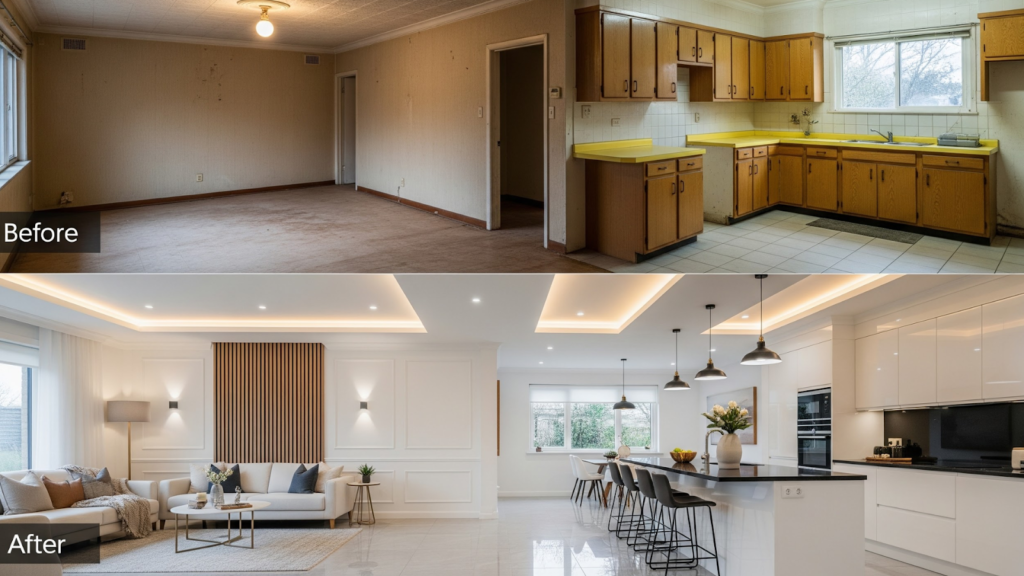
Why “Improve, Don’t Move” Is Winning in 2026
Discover why more homeowners are choosing to renovate instead of moving in 2026, with smart strategies to upgrade functionality, boost home value, and transform outdated spaces efficiently.