A Fundamental Shift in Buyer Priorities
Luxury real estate in 2026 is no longer defined by excess—it’s defined by effortlessness.
Over the past few years, we’ve seen a clear shift in how affluent buyers evaluate homes. Previously, features like square footage, grand entrances, or imported materials were enough to signal luxury. Today, those elements alone are no longer persuasive. Buyers are asking a different question:
“How easy will this home make my life from day one?”
This shift is driven by a combination of rising construction complexity, increased time pressure among high-net-worth individuals, and a growing awareness of how environments affect well-being. Buyers don’t want projects—they want finished experiences.
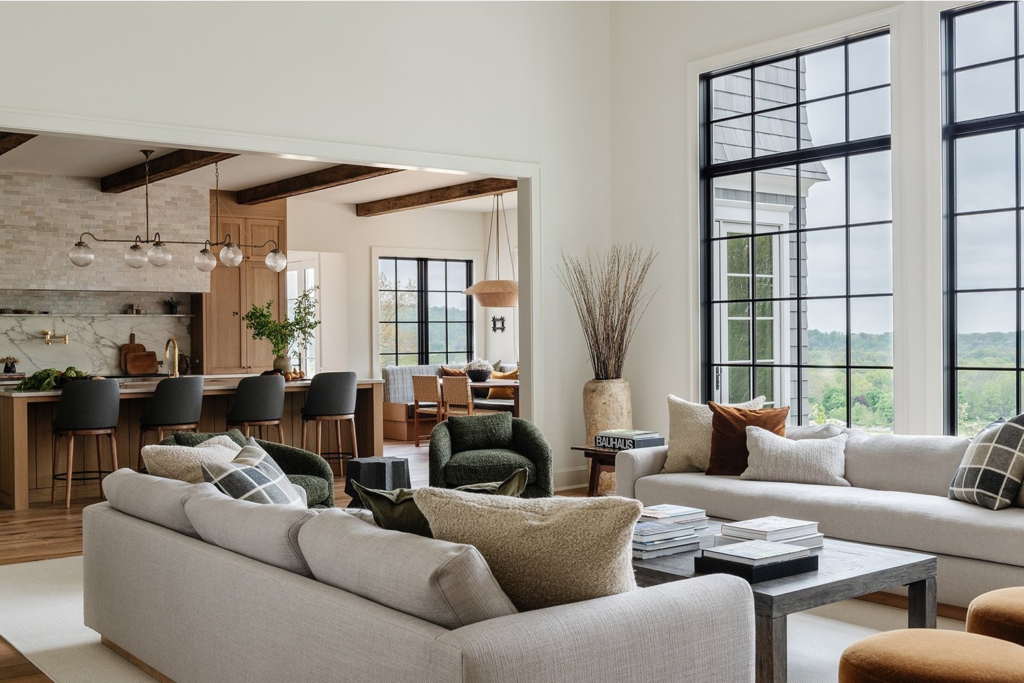
A luxury home in 2026 is expected to feel calm, cohesive, and complete. Every space should make sense, every material should feel intentional, and nothing should signal future work. Homes that achieve this are commanding higher prices—not because they are larger, but because they are resolved.
Features That Are Actually Driving Premium Prices
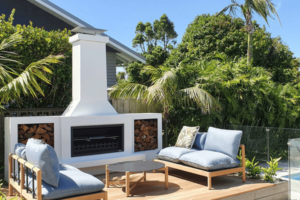
What’s fascinating in today’s market is that buyers are not just paying for materials—they’re paying for how a home makes them feel and function.
Take outdoor kitchens, for example. On paper, they are simply an extension of cooking space. In reality, they represent something much more powerful: a lifestyle of hosting, leisure, and connection. When buyers see a well-designed outdoor kitchen, they don’t calculate cost—they imagine gatherings, evenings, and ease.
The same applies to quartzite countertops. While many surfaces can look beautiful in photos, quartzite has emerged as a preferred material because it bridges a critical gap between luxury and durability. Buyers today are increasingly wary of finishes that look expensive but require delicate maintenance. They want materials that can withstand real life without losing their appeal.
Outdoor showers, fireplaces, and bespoke finishes follow a similar logic. They create moments. They transform a home from a static structure into a living environment with emotional depth.
From an SEO perspective, this is also why articles that explain experience-driven value tend to perform better. Readers aren’t just searching for features—they’re searching for justification and meaning behind those features.
Why Turnkey Homes Have Become the Gold Standard
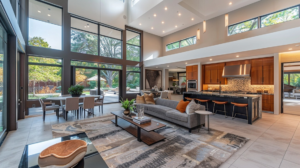
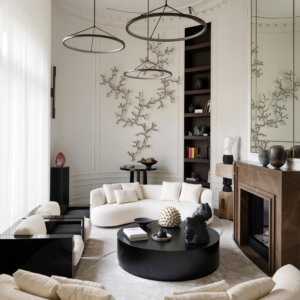
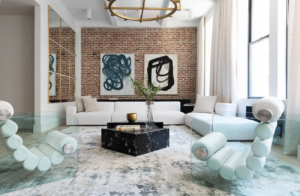
One of the most defining trends in 2026 is the dominance of turnkey homes—and this goes far beyond convenience.
A truly turnkey home is not simply renovated. It is fully thought through.
When a buyer walks into such a space, there is nothing left to question. The flooring transitions smoothly from room to room. The lighting is layered and warm. The kitchen, bathrooms, and storage all feel equally resolved. Even the outdoor areas feel like a continuation of the interior rather than an afterthought.
Why does this matter so much?
Because uncertainty is expensive—both financially and mentally. Buyers know that even a small renovation can spiral into months of disruption, unexpected costs, and design decisions they may not feel equipped to make.
So instead, they pay a premium for certainty.
In practical terms, a turnkey home signals:
“You can move in tomorrow, and everything will work exactly as it should.”
That reassurance has become one of the most valuable commodities in luxury real estate.
Budget vs Luxury: What Actually Makes the Difference
There is a common misconception that higher spending automatically translates to higher value. In reality, buyers are far more perceptive than that.
A well-designed mid-range kitchen can often outperform a poorly executed high-end one. The difference lies not in cost, but in clarity of design decisions.
For example, a kitchen with a clean layout, consistent finishes, good lighting, and thoughtful storage will feel far more luxurious than one filled with expensive materials that don’t relate to each other. Buyers are extremely sensitive to visual noise—too many competing finishes or inconsistent details create subconscious discomfort.
At the luxury level, what changes is not just material quality, but precision. Cabinetry aligns perfectly. Appliances are integrated seamlessly. Storage is concealed but highly functional. Lighting is layered to support different moods throughout the day.
The key takeaway is this:
Luxury is not about adding more—it’s about editing better.
Outdoor Living: From Bonus Feature to Core Value
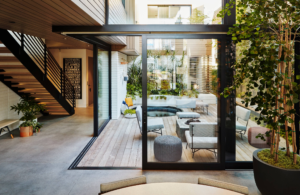
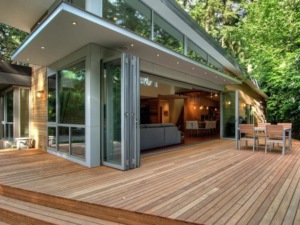
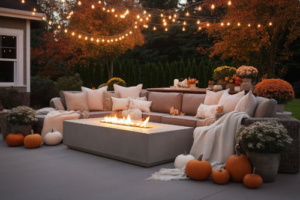
Outdoor space has evolved into one of the most powerful drivers of perceived value.
In 2026, buyers no longer see outdoor areas as optional. They see them as an extension of the home’s usable living space.
But not all outdoor spaces are equal.
A simple patio with furniture rarely adds meaningful value. What buyers respond to are spaces that feel intentional—areas designed for specific uses such as dining, relaxing, or entertaining. When these zones are clearly defined and visually connected to the interior, the home feels larger and more versatile.
Privacy also plays a critical role. Whether achieved through landscaping, layout, or architectural elements, a sense of seclusion significantly increases desirability.
Ultimately, great outdoor design answers a simple question:
“Would I actually spend time here?”
If the answer is yes, the perceived value rises immediately.
Understanding ROI: Financial Return vs Lifestyle Return
When discussing upgrades, it’s important to distinguish between two types of return.
The first is financial ROI—how much of your investment you can recover at resale. Projects like minor kitchen remodels, entry door upgrades, and exterior improvements tend to perform well in this category because they impact first impressions and everyday functionality.
The second is lifestyle ROI, which is often more influential in luxury markets. Features like spa-style bathrooms, advanced smart home systems, or wellness spaces may not always return their full cost directly, but they can significantly increase the perceived value of a home.
This is where many sellers make strategic mistakes. They focus only on measurable returns and overlook the emotional and experiential factors that actually drive premium offers.
In high-end real estate, buyers don’t just evaluate numbers—they evaluate how a home aligns with the life they want to live.
Mistakes That Quietly Reduce a Home’s Value
Even well-intentioned upgrades can backfire if they are not executed thoughtfully.
One of the most common issues is inconsistency. A beautifully renovated kitchen paired with outdated flooring or poor lighting creates a disconnect that buyers immediately notice. Luxury is about cohesion, not isolated upgrades.
Another frequent mistake is choosing materials that prioritize appearance over practicality. Buyers are increasingly aware of maintenance demands, and they tend to avoid homes that feel fragile or high-maintenance.
Storage is another overlooked factor. A home can look stunning, but if it lacks functional storage, it quickly becomes frustrating to live in. Subtle features like built-in organization or concealed cabinetry often have a disproportionately positive impact on buyer perception.
Finally, overly complex technology can become a liability. Smart homes should feel intuitive, not overwhelming. If a system requires explanation, it has already failed from a user-experience standpoint.
Final Checklist: What Defines a High-Value Luxury Home in 2026
When you step back and look at the market as a whole, a clear pattern emerges.
The homes that command the highest premiums are not necessarily the most expensive to build—they are the ones that feel the most complete, intuitive, and effortless.
They offer:
- A fully resolved, move-in-ready experience
- A cohesive and calming design language
- Functional and beautiful storage solutions
- Seamless indoor-outdoor living
- Materials that balance elegance with durability
- Technology that enhances, rather than complicates, daily life
Above all, they eliminate friction.
Final Thought: The New Definition of Luxury
Luxury in 2026 is no longer about impressing others—it’s about supporting the way you want to live.
The most successful homes are those that anticipate needs, remove obstacles, and create a sense of ease the moment you walk in.