Low-Maintenance Landscaping Ideas to Increase Home Value — The 2026 Guide
Stop spending your weekends fighting your yard. The best landscaping investments in 2026 are the ones that practically run themselves — and pay you back at resale.
Here's something that surprises a lot of homeowners: the yard that took the most work to maintain isn't necessarily the one that sells for the most money. In fact, in 2026, the opposite is increasingly true. Buyers are actively walking away from properties with high-maintenance landscaping — and gravitating toward homes where the outdoor space looks great without demanding a part-time gardening commitment.
If you've been pouring weekends into a lawn that still looks mediocre, or hesitating to invest in your yard because you're not sure what will actually pay off, this guide is written specifically for you. We're going to cover the most effective low-maintenance landscaping ideas to increase home value in 2026 — broken down by budget, strategy, and ROI — so you can make smart decisions and stop guessing.
2026 Landscaping Trends Every Homeowner Should Know
The landscaping industry has changed considerably over the past few years, and 2026 brings a clear set of priorities that buyers are actively seeking — and paying for. Understanding these trends isn't just useful if you're planning to sell soon. They're worth knowing even if you're staying put, because designing with them in mind means less work for you and better long-term value for your property.
Low Water Usage Has Gone Mainstream
A few years ago, drought-tolerant landscaping was niche — something you'd see in Arizona or California but not much elsewhere. That's changed. Water restrictions have spread across North America, utility costs have risen, and buyers in virtually every region now view thirsty lawns as a liability rather than an asset. Xeriscape-inspired design — which emphasizes water-efficient plants, mulch, and smart irrigation — has become a mainstream expectation, not a specialty preference.
Native Plants Are Finally Having Their Moment
Native plants have been championed by horticulturalists for decades, but homeowners are finally catching on. The reason is simple: plants that evolved for your specific region require dramatically less water, fertilizer, and maintenance than imported ornamentals. They're also visually sophisticated — eco-conscious buyers read a well-curated native garden as a signal of taste and intentionality, not laziness. If you're only going to make one planting change this year, shifting toward regionally appropriate native species is the single best move you can make.
Functional Outdoor Spaces Are Now a Basic Expectation
Patios, pergolas, defined seating areas — these used to be considered premium upgrades. In 2026, buyers treat them as table stakes, particularly in markets where outdoor living is possible for more than a few months a year. A yard without any functional gathering space reads as incomplete, and buyers mentally subtract from their offer to account for the cost of adding one later. If your yard is pure lawn with no defined use, you're leaving money on the table. Not sure where to start? Our guide to planning a deck or patio on a budget walks through every material decision — composite vs. wood, DIY vs. hiring out — so you can build something buyers will actually factor into their offer.
"The most valuable yards in 2026 aren't the prettiest — they're the ones that look great in January and require almost nothing from their owners in July."
The Core Strategy: Design Once, Enjoy for Years
Before we get into specific projects, it's worth establishing a framework — because the homeowners who spend the most on landscaping don't always see the best results. What separates a smart investment from a money pit is designing with three things in mind simultaneously: low upkeep, high visual impact, and seasonal resilience.
Low upkeep means making choices that reduce future labor at every decision point. Perennials over annuals (so you're not replanting every spring). Drip irrigation over hand-watering. Mulch over bare soil. Groundcover over grass in shaded areas where grass won't thrive anyway. Every time you face a choice, ask which option requires less from you six months from now.
High visual impact is about getting the most out of every dollar in terms of how the yard reads from the street. This isn't about planting more — it's about creating a composition that has clear structure, height variation, and defined edges. A yard with three well-chosen plants in clean, mulched beds with defined edging will almost always look more intentional — and photograph better for listings — than a yard packed with twenty plants that were added incrementally with no coherent plan.
Seasonal resilience is the one most homeowners overlook. A yard that looks spectacular in June and barren in November is a liability when you're selling in the fall or winter. Layering plants with different bloom times — spring bulbs, summer perennials, fall color, winter evergreen structure — means your yard is defensible in any season.
When in doubt, simplify. The single most common landscaping mistake — at every budget level — is overplanting. More plants means more maintenance, more competition for water and nutrients, and a cluttered look that reads as chaotic rather than lush. Edit aggressively. Give your plants room to be themselves.
Low-Maintenance Landscaping Ideas by Budget
The good news is that meaningful improvement is possible at almost any budget. The key is spending strategically within your tier rather than spreading your money thin trying to do everything at once. Here's where to focus.
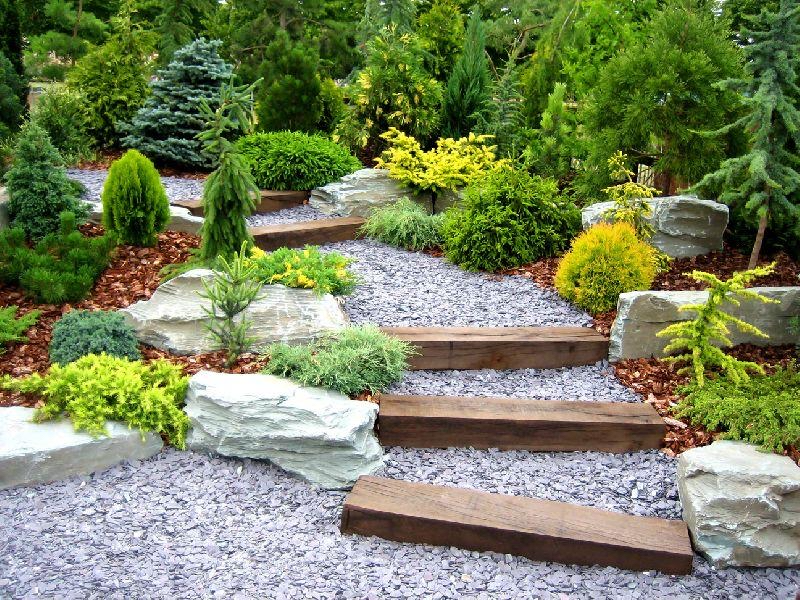
Don't underestimate how much a focused $200–$500 investment can change the perception of a yard. At this level, your best returns come from clarity and cleanliness — not adding things, but making what's there look intentional. Fresh mulch (2–3 inches deep, with clean edges) can transform a neglected bed into something that looks professionally maintained. A bag of river rock or pea gravel along a walkway signals design intention for under $50. Weed barriers installed under new mulch mean that one afternoon of work buys you years of reduced maintenance.
This is the sweet spot for value creation. At the lower end of this range, you can install a drip irrigation kit for a front bed — a one-time investment that eliminates daily watering and dramatically extends plant life. Raised garden beds add structured visual height and are perceived as high-value additions by buyers, even though they're relatively affordable to build. Native plant beds can cover a substantial front yard at this budget, especially if you buy small plants (which establish faster than you'd think) rather than expensive mature specimens. At the upper end, low-voltage or solar outdoor lighting along a path and in key bed areas makes a dramatic difference after dark.
At this level, you're making structural changes that buyers factor directly into their offer. A professionally installed stone or paver patio adds livable outdoor square footage that buyers genuinely count — unlike interior renovations that often depreciate, a well-built patio holds value for decades. Automated zone-based irrigation is increasingly a specific ask from informed buyers, especially in regions with water restrictions. Retaining walls and grading improvements solve drainage problems permanently, which eliminates a concern that can otherwise surface in inspections and tank a deal. Spend here only after the basics are right.
Best ROI Upgrades That Actually Move the Needle
Not all landscaping spending returns equally, and it's worth being clear-eyed about this before you commit. There are a handful of categories that consistently outperform at resale, and others that feel significant but barely register in an appraisal. Here's how the major upgrades stack up:
| Upgrade | Typical Cost | Est. ROI | Upkeep |
|---|---|---|---|
| Stone / Paver Pathway Flagstone, concrete pavers, or gravel path |
$800 – $4,000 | 100 – 150% | Very Low |
| Native Plant Beds Regional perennials, ornamental grasses, shrubs |
$300 – $2,500 | 90 – 120% | Very Low |
| Outdoor Lighting Solar stakes, low-voltage LED, uplighting |
$150 – $2,000 | 80 – 120% | Minimal |
|
Patio or Deck Extension Pavers, composite decking, stamped concrete. See our full composite vs. wood material breakdown for real cost comparisons. |
$3,000 – $15,000 | 70 – 90% | Low |
| Drip / Automated Irrigation Zone-based with smart controller |
$500 – $3,000 | 65 – 85% | None |
| Mulch & Bed Refresh Fresh hardwood or cedar mulch, edging |
$80 – $400 | 150 – 200% | Minimal |
A couple of things worth noting here: the mulch and bed refresh ROI looks almost too good to be true, but it reflects the reality that this is one of the highest-impact, lowest-cost things you can do. Fresh mulch before a listing photos shoot alone has a measurable effect on buyer perception. The patio numbers, meanwhile, assume quality installation — a poorly installed patio can actually become a negotiation point against you if it shows signs of settlement or drainage issues.
Mistakes That Are Quietly Hurting Your Home's Value
Knowing what not to do is just as valuable as knowing what to invest in. These are the three most common landscaping mistakes we see homeowners make — and the ones that actually cost money at the negotiating table.
Maintaining a Large High-Maintenance Lawn
A sprawling grass lawn that requires weekly mowing, seasonal fertilizing, aeration, and overseeding is a red flag for buyers in 2026, particularly in water-restricted regions. It signals ongoing cost and labor. If your lawn is more than about 60% of your front yard's plantable area, consider replacing portions with native groundcover, decorative gravel with specimens, or mulched beds. The goal isn't to eliminate grass — it's to reduce the ratio so it reads as an intentional design choice rather than a default.
Ignoring Drainage Problems
Standing water, eroded slopes, and soggy patches after rain are red flags that buyers and their inspectors notice immediately. The problem with drainage issues is that they suggest a foundational problem — something structural going on with the grading or soil — even when the fix is often relatively straightforward. French drains, re-grading, and strategic planting to absorb runoff are unglamorous, but they're essential groundwork before any cosmetic improvement. Doing a patio over a drainage problem just hides it temporarily.
Overplanting — More Is Not More
This is the most common mistake at every budget level. Crowded beds look unplanned. They create conditions where plants compete for water and light, leading to the straggly, uneven growth that makes a yard look neglected even when it's technically full of plants. Good design uses negative space deliberately. When plants are given room to develop their natural shape, even a simple three-plant combination can look more intentional and sophisticated than a packed bed of fifteen competing species. If your beds look crowded, removing plants is often the best investment you can make.
Don't skip the drainage check: Before spending anything on cosmetic landscaping, walk your yard after a heavy rain. If water is pooling near your foundation, flowing toward a neighbor's property, or creating muddy patches that take days to dry out — fix that first. Landscaping over an unresolved drainage problem is money that will eventually need to be redone.
Tools & Products Worth the Investment
You don't need a shed full of specialized equipment to create a beautiful, low-maintenance yard. But there are a handful of categories where spending a little more than the cheapest option makes a genuine long-term difference:
Drip Irrigation Kits
Zone-based drip systems deliver water directly to root zones, eliminate overwatering, and run on timers. Setup takes a weekend; the water savings and plant health benefits last for years. Look for expandable systems with a timer built in.
Landscape Fabric & Barriers
Quality permeable landscape fabric under mulch or gravel dramatically reduces ongoing weeding. Avoid cheap plastic sheeting — it breaks down, blocks water, and eventually makes the problem worse. Go for professional-grade woven fabric.
Solar Path & Accent Lights
Modern solar lighting is no longer dim or unreliable. Warm-tone (2700K–3000K) LED solar stakes provide atmospheric evening lighting with zero operating cost. Uplighting a feature tree or the home's facade has an outsized visual impact for under $100.
Organic Hardwood Mulch
Two to three inches of shredded hardwood or cedar mulch suppresses weeds, retains moisture, moderates soil temperature, and gives beds a clean finished appearance. It also breaks down to improve soil health over time. Refresh annually before listing.
Steel or Aluminum Bed Edging
Defined edges between lawn and planting beds are one of the highest-impact, lowest-cost improvements you can make. Metal edging holds its shape for decades, never needs repainting, and eliminates the annual re-edging chore. Install it once and forget about it.
Wi-Fi Irrigation Controllers
Smart controllers adjust watering schedules based on local weather and soil moisture data. They pay for themselves in water savings within a season or two, and they're a specific selling point for tech-minded buyers. Worth including in your listing description.
Final Checklist: Is Your Yard Working for Your Sale?
Use this checklist to audit your yard before listing photos are taken or open houses begin. These aren't nice-to-haves — each item on this list has a direct effect on buyer perception and negotiating position.
Frequently Asked Questions
What landscaping adds the most value to a home?
Stone pathways, native plant beds, and outdoor lighting consistently offer the highest return — often 80–150% of their cost at resale. The common thread is that they're durable, low-maintenance features that appeal broadly to buyers. Cosmetic improvements like fresh mulch and edging can also deliver surprisingly high returns because the cost is so low relative to the perception change they create.
How much does landscaping increase home value in 2026?
Research from the American Society of Landscape Architects suggests that quality landscaping can increase home value by 10–15%. However, this varies significantly based on regional buyer preferences, the quality of the work, and how well the landscaping is maintained. In drought-prone or water-restricted markets, native and drought-tolerant landscaping can command an even greater premium in 2026.
What is low-maintenance landscaping, exactly?
Low-maintenance landscaping uses a combination of drought-tolerant and native plants, organic mulch, drip irrigation, and hardscaping elements like stone and gravel to minimize ongoing upkeep. The goal is a yard that requires roughly one to two hours of attention per month during the growing season — rather than weekly intensive labor — while still looking polished and intentional year-round.
Is landscaping worth the investment before selling a home?
Generally, yes — but the key is knowing where to spend. High-ROI, low-cost improvements like mulching, edging, and adding solar path lights almost always pay off. Major projects like full patio installations may or may not depending on your local market and buyer profile. When in doubt, consult a local real estate agent about what buyers in your specific area are prioritizing before committing to a large project.
Can I do low-maintenance landscaping myself, or do I need a professional?
Many high-value improvements — mulching, planting native beds, installing solar lighting, adding drip irrigation — are well within DIY reach for most homeowners. Projects involving grading, drainage, large hardscape installations, or complex irrigation systems typically benefit from professional installation, both for quality of result and to avoid issues that surface during home inspections.