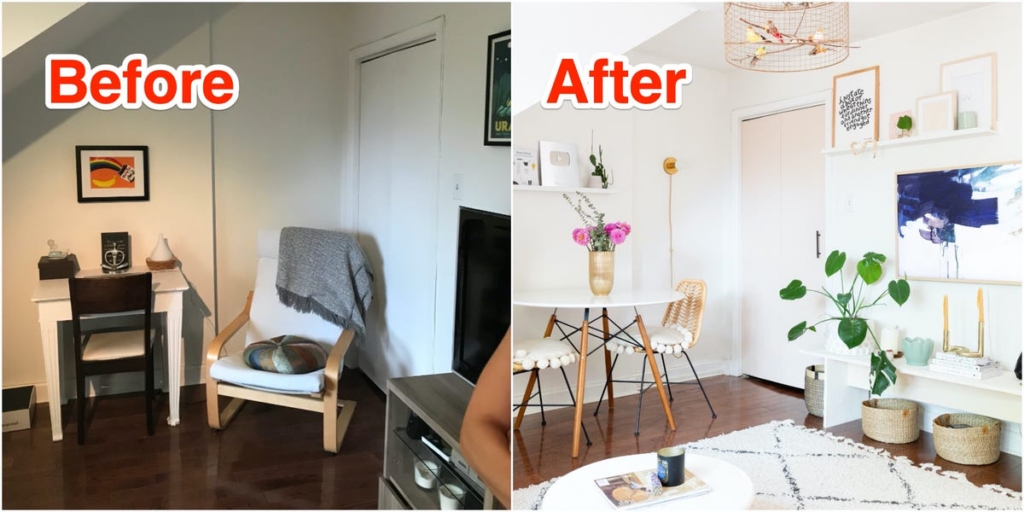
In the context of rising housing costs and constrained mobility, much of the conversation around home improvement has centered on renovations—paint, lighting, fixtures, and structural upgrades. Yet one of the most powerful and overlooked drivers of value lies not in renovation, but in decor.
Small decor upgrades—rugs, cushions, textiles, wall art, and styling elements—operate on a fundamentally different economic model. They do not change the structure of a home, yet they can dramatically change how it is perceived. In many cases, a few hundred dollars invested strategically can transform a space more effectively than several thousand spent inefficiently.
This is where the economics of decor becomes critical.
Beyond Renovation: The Role of Perception in Value Creation
Traditional real estate thinking prioritizes tangible improvements—square footage, layout, materials. While these factors remain important, they do not fully explain how people experience a space.
Perception plays an equally significant role.
A room that is visually cohesive, well-lit, and thoughtfully styled feels larger, warmer, and more functional—even if nothing structural has changed. Conversely, an unstaged or poorly styled space can feel smaller, dated, and less valuable.
This is why decor operates as a form of perception leverage. It influences how space is interpreted, often without requiring meaningful capital investment.
As explored in the broader micro-renovation economy (https://nestdigest.com/micro-renovation-economy-improve-dont-move/), value is increasingly being created through targeted, high-impact interventions rather than large-scale changes. Decor sits at the most efficient end of that spectrum.
The Disproportionate Impact of Small Investments
One of the defining characteristics of decor is its asymmetry. The cost is low, but the impact can be substantial.
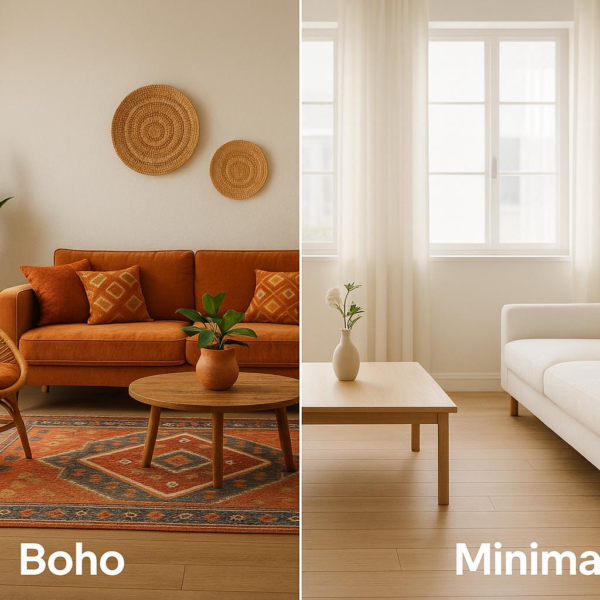
A $200–$500 investment in rugs, cushions, or layered textiles can define zones within an open space, introduce color cohesion, improve comfort and usability, and elevate overall aesthetic quality.
These changes may appear subtle in isolation, but together they create a noticeable transformation. Importantly, they influence first impressions, which are critical in both resale and rental contexts.
This is particularly relevant in a market shaped by the improve, don’t move strategy (https://nestdigest.com/improve-dont-move-home-renovation-strategy-2026/), where homeowners are seeking efficient ways to upgrade their living environment without committing significant capital.
Decor as a Tool for Visual Cohesion
One of the primary functions of decor is to create cohesion. Without it, even well-designed spaces can feel incomplete or disconnected.
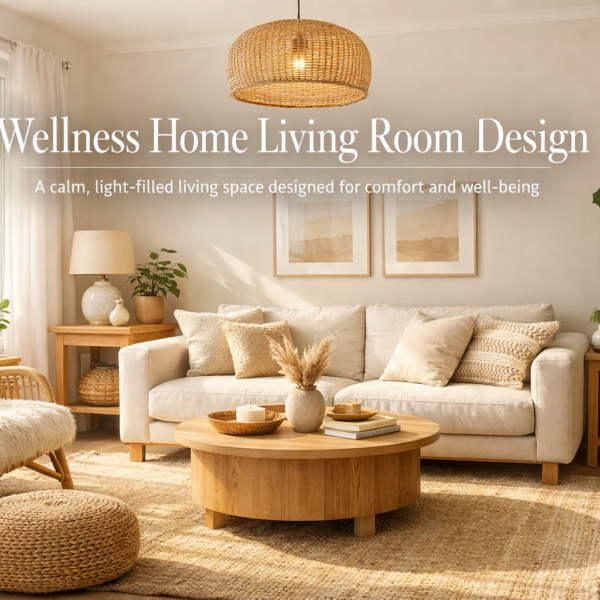
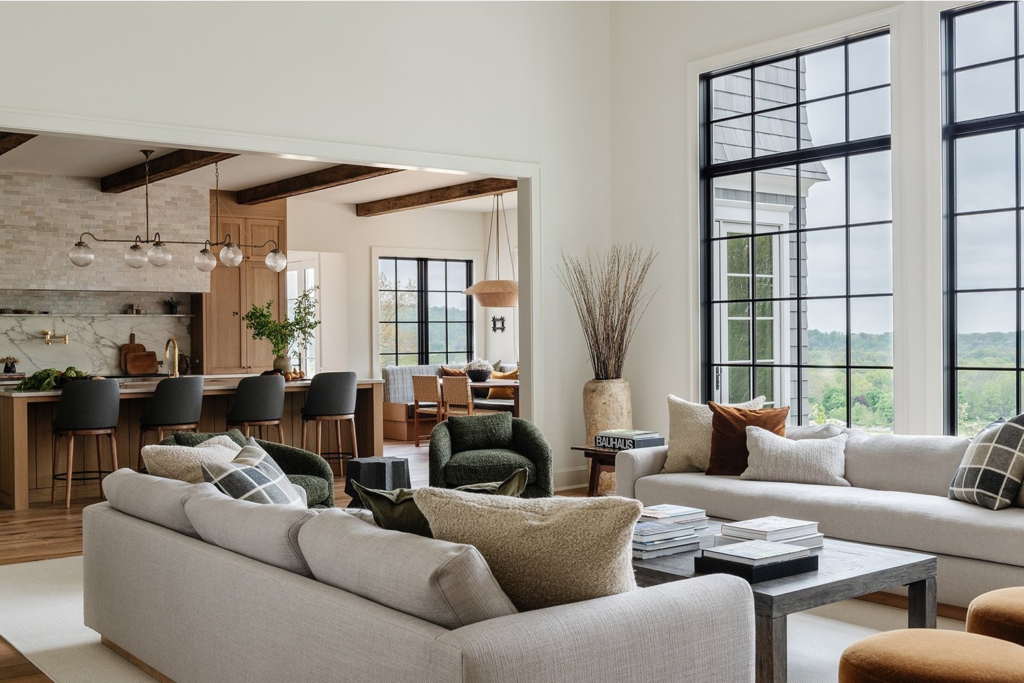
Elements such as rugs anchoring furniture, cushions introducing layered textures, curtains softening edges, and artwork adding focal points work together to create a unified visual narrative.
This cohesion is what transforms a space from functional to intentional. It signals care, attention, and quality—attributes that directly influence perceived value.
Emotional ROI: Why Decor Feels Bigger Than It Is
Unlike structural upgrades, decor operates heavily in the emotional domain. It shapes how people feel within a space, not just how they evaluate it.
This introduces the concept of emotional ROI.
Small decor changes can increase comfort, reduce visual stress, create a sense of personalization, and improve day-to-day satisfaction.
These benefits are difficult to quantify, but they are highly influential. In many cases, they are what make a space feel like a home rather than just a property.
In uncertain economic environments, this emotional dimension becomes even more important. As homeowners spend more time in their homes, the value of small, frequent improvements increases.
Market Implications: From Staging to Everyday Living
In real estate, decor has long been associated with staging—preparing a property for sale. However, its role is expanding beyond transactional contexts into everyday living.
For sellers, decor enhances presentation, attracts attention, and can reduce time-on-market. For landlords, it can improve tenant perception and support stronger rental positioning.
For homeowners, it becomes part of an ongoing process of optimization.
This shift aligns with the broader trend discussed in high-impact, low-cost upgrades (you will link Article #3 here once live), where smaller interventions are replacing large-scale renovations as the primary method of value creation.
The Speed Advantage of Decor
Another critical advantage of decor is speed.
Unlike renovations, which may take weeks or months, decor changes can be implemented in hours or days. This allows homeowners to experiment, iterate, and adapt their space more frequently.
This speed introduces flexibility. Instead of committing to a single large decision, homeowners can make a series of smaller decisions over time, adjusting as preferences evolve.
This mirrors broader consumer behavior, where flexibility and adaptability are increasingly valued over permanence.
When Decor Does Not Work
Despite its advantages, decor is not universally effective. Poorly executed styling—overcrowding, mismatched elements, or overly personalized choices—can reduce rather than enhance perceived value.
The key lies in balance.
Effective decor enhances rather than overwhelms, aligns with a broader design direction, and maintains functionality. When these principles are ignored, the impact of decor diminishes.
From Expense to Strategy
The growing importance of decor reflects a broader shift in how homeowners think about spending. What was once considered discretionary is increasingly viewed as strategic.
Decor is no longer just about aesthetics—it is about enhancing usability, improving perception, increasing satisfaction, and supporting market positioning.
In this sense, even small expenditures become part of a larger capital allocation framework.
Conclusion: Small Spend, Large Impact
The economics of small decor challenges the assumption that meaningful change requires significant investment. It demonstrates that value can be created through precision, not just scale.
In a market where mobility is constrained and large renovations are less accessible, decor provides a highly efficient alternative. It allows homeowners to continuously refine their space, improving both how it looks and how it feels.
And in doing so, it reinforces a broader shift—one where the most effective upgrades are not always the most expensive, but the most intentional.
High-Impact, Low-Cost Upgrades That Actually Add Value
Discover which high-impact, low-cost home upgrades actually add value. From paint and lighting to decor and fixtures, learn how small…