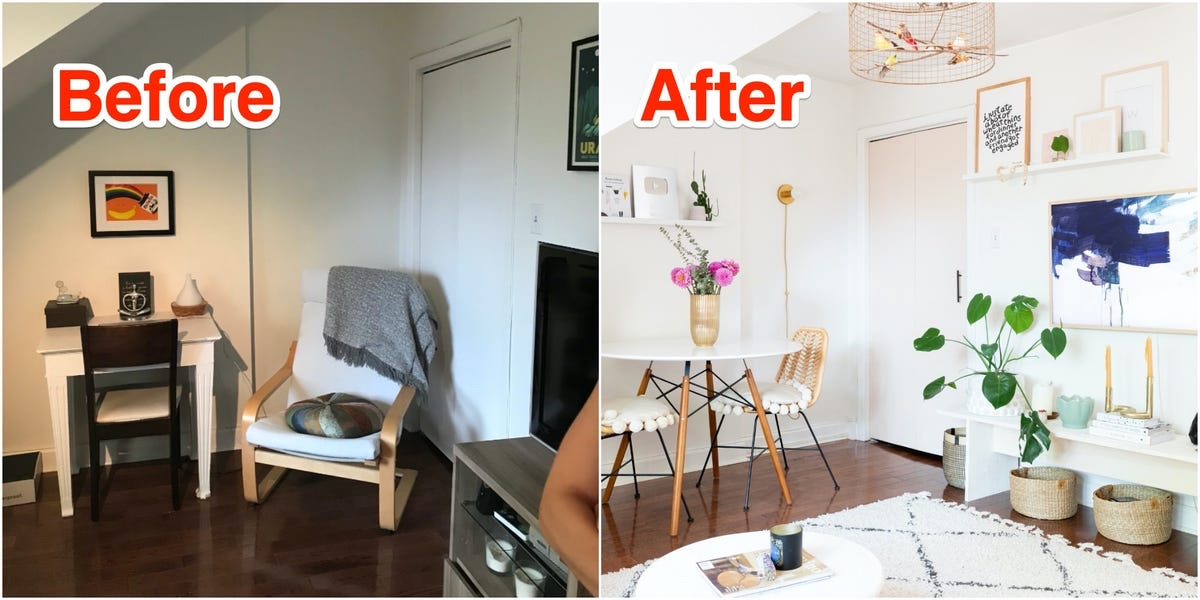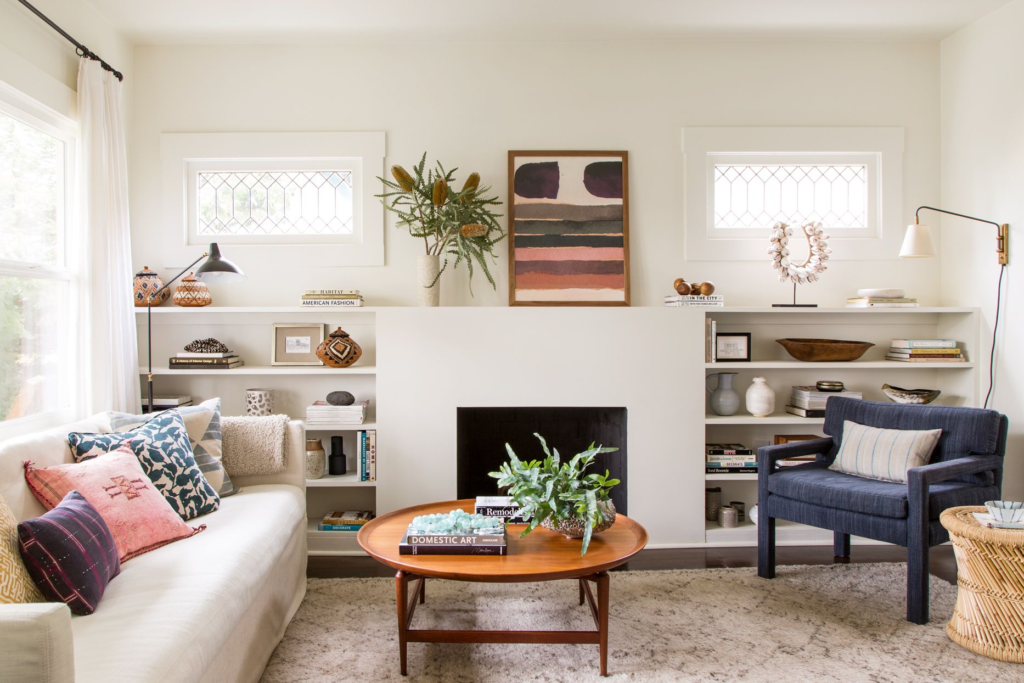

Behavioral psychology of renovation helps explain why homeowners continue upgrading their homes even in uncertain economic environments. Conventional logic suggests that households should reduce discretionary spending, delay upgrades, and prioritize financial stability. Yet in the housing market, the opposite pattern often emerges. Homeowners are not stepping back from their properties—they are investing more into them, particularly through smaller, high-impact improvements.
Control in an Uncertain Environment
As explored in the broader micro-renovation economy, the shift toward smaller, targeted upgrades is not only a response to affordability constraints, but also a reflection of how individuals behave under uncertainty. When external conditions become volatile, people do not simply stop acting—they redirect their actions toward areas where they retain control. The home becomes one of those areas. One of the most powerful drivers behind renovation activity is the need for control. In a market where homeowners cannot influence interest rates, housing prices, or broader economic conditions, their ability to make meaningful decisions feels constrained. Renovation restores a sense of agency. Even relatively small changes—painting a room, updating lighting, or rearranging a space—create visible, immediate results, reinforcing the idea that progress is still possible even when larger decisions are delayed.
The Rise of the “Improve, Don’t Move” Mindset
This dynamic helps explain the growing popularity of the improve, don’t move strategy, where homeowners are choosing to optimize their current environment rather than engage in high-risk, high-cost transactions. The decision is not only financially rational—it is psychologically stabilizing. It allows individuals to improve their living conditions without exposing themselves to additional uncertainty.
The Nesting Effect and Changing Role of the Home
Closely related to this is what can be described as the “nesting effect.” During periods of instability, people tend to invest more in their immediate surroundings. The home evolves beyond a functional asset into a central hub for work, rest, and personal life. As time spent at home increases, so does the importance of comfort, usability, and aesthetic satisfaction. This is why even modest upgrades—such as those outlined in high-impact, low-cost improvements (you will link Article #3 here)—carry disproportionate importance. They are not just upgrades; they are adjustments to an environment that now plays a larger role in daily life.
Small Wins and the Shift Toward Micro Decisions
Another key behavioral factor is the preference for small, manageable actions over large, uncertain ones. Major decisions, such as buying or selling a home, involve significant financial commitment and long-term consequences. In uncertain markets, these decisions are often delayed, creating a form of decision paralysis. To compensate, homeowners shift toward smaller actions that are easier to execute and easier to reverse. Painting a wall, upgrading decor, or replacing fixtures requires less commitment and delivers faster results. These actions provide a sense of momentum without the weight of long-term risk, and over time, a series of small improvements can collectively produce a meaningful transformation.
Emotional ROI: Value Beyond Financial Returns
This behavior aligns closely with the economics of small decor (https://nestdigest.com/economics-of-small-decor-home-upgrades), where relatively minor investments can significantly influence how a space is perceived and experienced. These changes deliver what can be described as emotional returns, which are often just as important as financial ones. Emotional ROI reflects improvements in comfort, satisfaction, and well-being. A well-designed, cohesive living space can reduce stress, improve mood, and enhance daily routines. In many cases, this emotional return outweighs financial ROI in the short term, as the value is experienced immediately in everyday living.
Identity, Personalization, and Continuous Upgrades
Identity also plays a role. Homes are increasingly viewed as extensions of personal identity rather than purely functional spaces. Renovation allows individuals to express preferences, values, and lifestyle choices. Whether through color schemes, furniture selection, or layout changes, these decisions reflect how people want to live and how they want their space to feel. This reinforces a shift toward continuous, incremental upgrades rather than one-time large renovations.
Market Implications of Behavioral Renovation Trends
From a market perspective, these behavioral patterns have meaningful implications. Reduced willingness to move contributes to lower housing turnover, while sustained renovation activity supports demand across home improvement sectors. For investors and operators, understanding these motivations is critical, as value is increasingly created through alignment with how people use and experience space rather than through large-scale redevelopment alone.
Conclusion: Renovation as a Psychological Strategy
Ultimately, renovation in today’s market is not just about improving property—it is about managing uncertainty. It allows homeowners to take action when larger decisions feel out of reach, to create stability within their immediate environment, and to maintain a sense of progress even in volatile conditions. What appears to be a series of small upgrades is, in reality, a deeper behavioral response that reflects how individuals adapt to constraints, prioritize control, and redefine value—not just financially, but in how their space supports their daily lives.