

The Real Cost of Waiting: Why Delaying Home Repairs in 2026 Will Cost You Far More Than You Think
The repair you keep moving to next year is quietly compounding — in cost, in damage, and in the kind of stress that settles into a house when you stop tending to it.
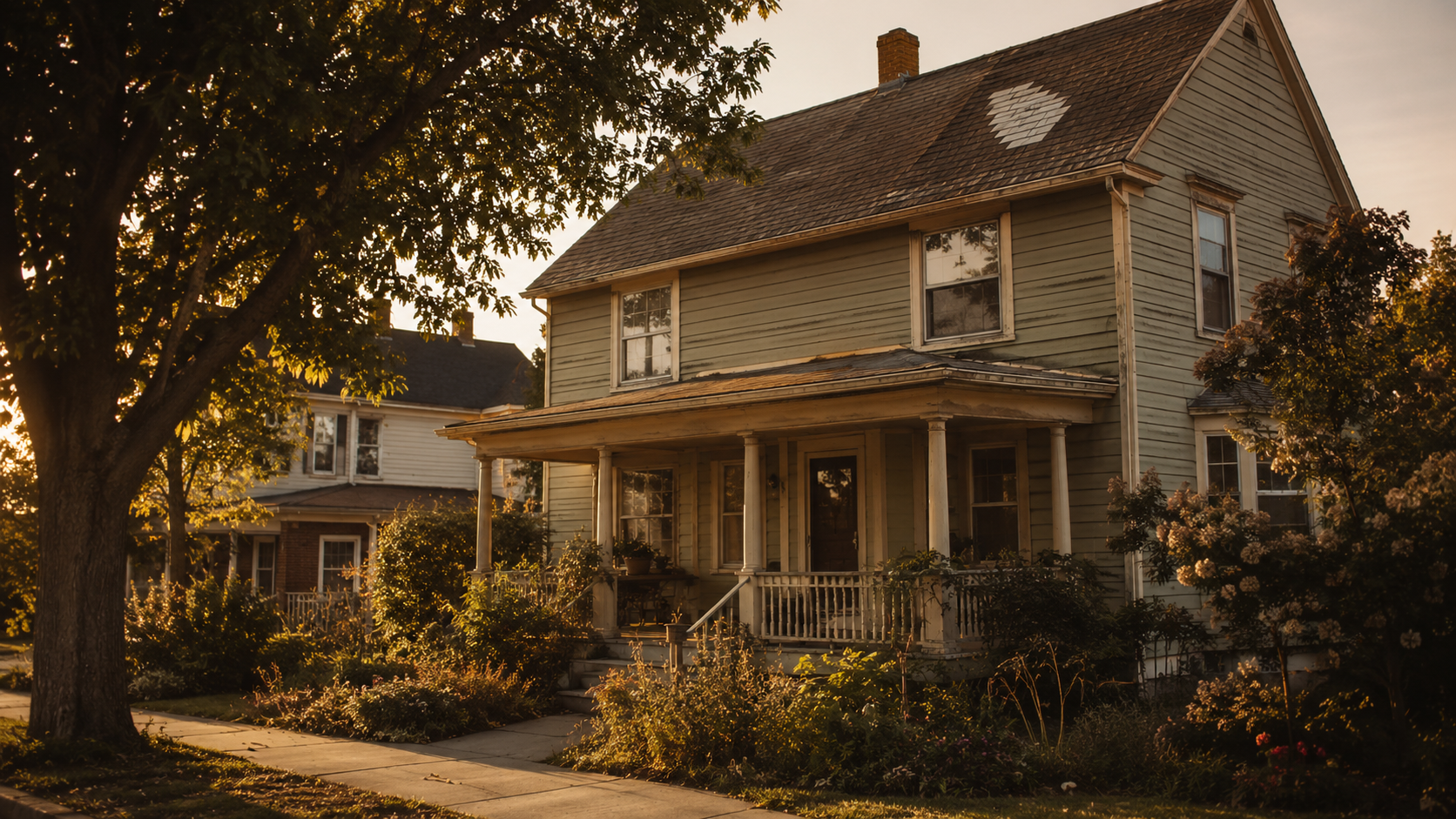
There is a particular kind of quiet dread that comes with owning an aging home. You know the crack in the foundation has been there since last spring. You know the HVAC is running harder than it should. You know the roof lost a few shingles in February and you haven’t called anyone yet. And every time the thought surfaces, you push it back down with a reasonable-sounding promise: next month, when things calm down, when rates drop, when the budget opens up. It’s a story almost every homeowner tells themselves. In 2026, that story is becoming an expensive one.
The cost of delaying home repairs has crossed a threshold this year that changes the calculus entirely. According to research tracking home maintenance spending across North America, the average American household is now carrying a deferred maintenance backlog of $5,650 — and that number continues to climb. It isn’t because homeowners are careless. It’s because the gap between what repairs cost today and what people can comfortably absorb has widened to the point where postponement feels like the rational choice. The problem is that for an aging home, postponement almost never is.
America’s homes are older than they’ve ever been. The median age of an owner-occupied home reached 44 years in 2026, up from 31 years two decades ago. In Canada, Statistics Canada notes that 7.3 percent of homes currently require major repairs, with another 24 percent showing signs that need addressing. These aren’t abstract numbers. They represent roofs that were installed when your children were in primary school. They represent HVAC systems that have been running continuously through a dozen seasons of extremes. They represent wiring, plumbing, and foundations that were built to codes that have since been updated — sometimes substantially. The homes are not failing dramatically. They are aging steadily, and the systems inside them are reaching the end of their service lives at exactly the same time.
What makes this moment particularly difficult is the financial pressure compressing from every side. Renovation costs across Ontario ran between $125 and $175 per square foot for a standard full-home renovation in 2026. A full exterior package — new roof, siding, eavestroughs, and replacement windows — runs between $45,000 and $85,000 in the GTA, with GTA-area pricing typically 10 to 15 percent above provincial averages. Plumbers in major Canadian cities charge between $110 and $150 an hour for routine work. HVAC replacement now averages between $5,000 and $12,500 depending on system size and configuration. These are not numbers you absorb easily. And so the instinct is to wait — for prices to soften, for timing to improve, for the sense of urgency to feel real enough to act on.
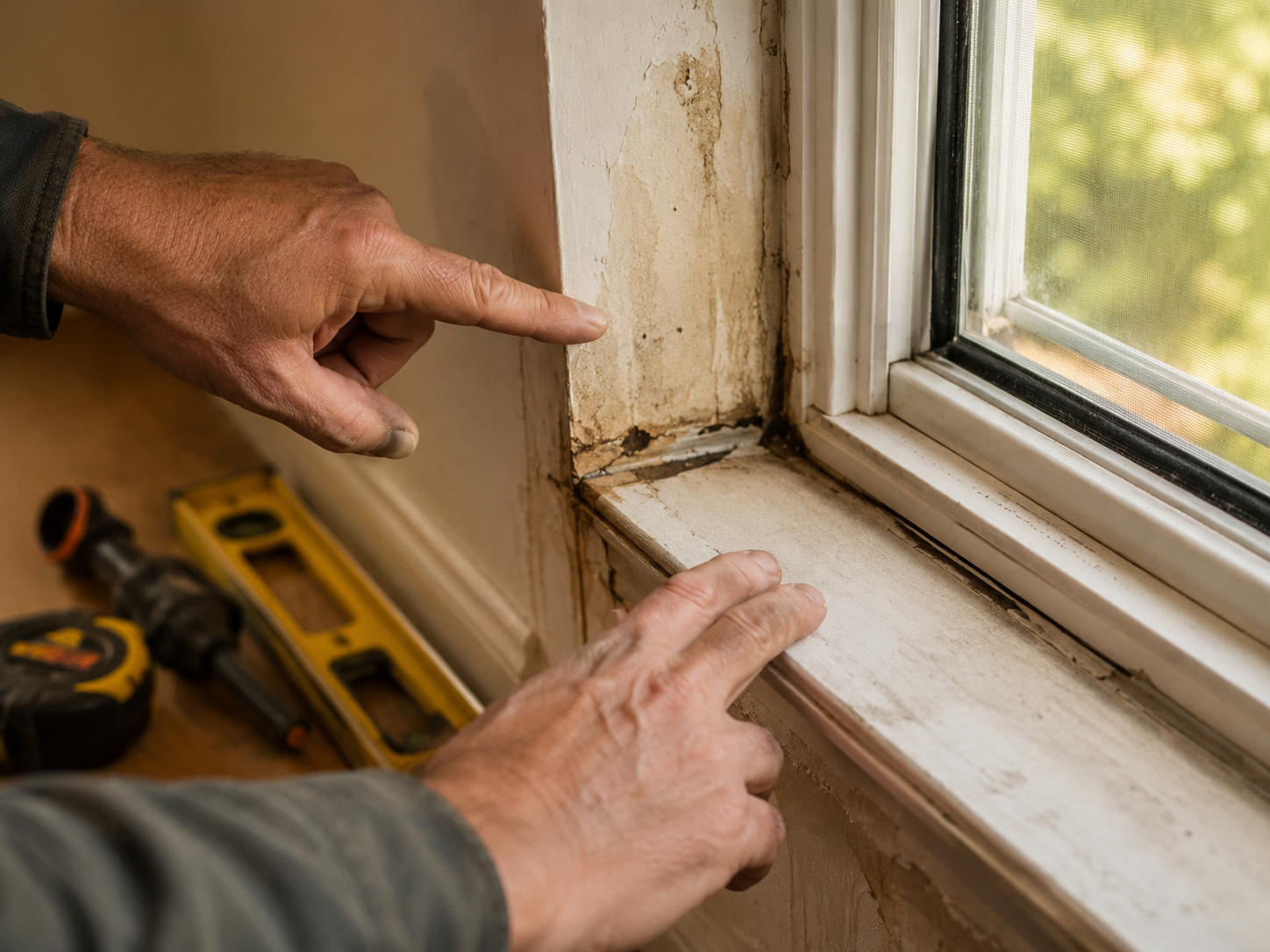
But here’s the compounding reality that rarely gets named clearly: the cost of delaying a repair is not static. It grows. A $500 repair today routinely becomes a $5,000 repair after a season of inaction. A small roof leak caught in May is a fundamentally different project than the same leak left to seep into attic insulation through a wet summer and a freeze-thaw fall. In the renovation industry, the phrase “deferred maintenance” is sometimes used as though it simply means “work scheduled for later.” What it actually describes is damage in slow motion — a gradual multiplication of the original problem, and the original cost, compounding behind the drywall.
A $500 repair today routinely becomes a $5,000 repair after a season of inaction. Deferred maintenance isn’t a schedule — it’s damage in slow motion.
The cost of waiting isn’t only about the repair itself, either. Insurance companies have changed their posture significantly in 2026. Across both Canada and the United States, insurers are increasingly using drone and satellite imagery to inspect roofs for visible signs of neglect — and they are acting on what they find. Deferred maintenance can now trigger premium increases, coverage reductions, or outright policy cancellations. For a homeowner who has already delayed a repair because money is tight, losing insurance coverage or absorbing a premium spike creates a second financial shock layered directly on top of the first. Lenders, too, are increasingly scrutinizing the maintenance condition of properties when financing comes up for renewal or refinancing.
In a survey of over 1,100 U.S. homeowners, 79% expect to repair or replace at least one major home system in 2026. Plumbing leads (28%), followed by appliances (25%), exterior work (23%), HVAC (20%), electrical (18%), and roofing (14%). These aren’t cosmetic updates. They are the core systems that keep a home livable — and most of them were installed in the same decade.
There’s also the labour market to contend with. In Canada, booking a skilled contractor for major renovation work in July typically requires securing them in January or February. When you call in May for summer work, you’re competing with every homeowner who planned ahead — and many contractors will decline entirely. The premium for emergency or short-notice repairs is real and substantial: an urgency markup of 20 to 40 percent on labour is common in high-demand seasons, in the same way that a last-minute plumber on a Sunday in January costs dramatically more than a scheduled service call. The longer you wait, the less control you have over both timing and price.
What the numbers don’t capture is what deferred maintenance does to the experience of living in a home. The sense that things are slipping — that the house is working against you rather than for you — settles in quietly. It changes how people feel about the space they live in, the decisions they make about whether to invest further or let things slide a little more, and ultimately whether a home feels like an asset or an obligation. For many homeowners in 2026, that emotional toll is as real as the financial one.

The most practical reframe is one that the renovation industry has been pushing for years without much success: treat maintenance as a non-discretionary line item, not a discretionary one. Setting aside between one and two percent of your home’s value annually for maintenance and upkeep isn’t a luxury — it’s the minimum cost of ownership for an asset that has likely appreciated significantly and that you are depending on to continue doing so. For a home valued at $700,000 in the GTA, that’s $7,000 to $14,000 a year. It sounds like a lot until you compare it to a single emergency repair that could have been prevented, or a sale price discounted because buyers noticed what you had been quietly ignoring.
There is something deeply human about the instinct to wait — to believe that time will somehow resolve what attention hasn’t. But homes are not patient in that direction. They accumulate. They compound. The crack in the foundation doesn’t heal over winter; it widens with the frost. The roof doesn’t strengthen with another season of rain; it softens. Every spring that passes without action is not neutral time — it is cost, building quietly behind the walls of a place you have worked hard to own. The most expensive repair is nearly always the one that waited too long to be made.
The house does not wait. It simply continues — aging, shifting, asking — until someone is finally ready to listen.
— NestDigest