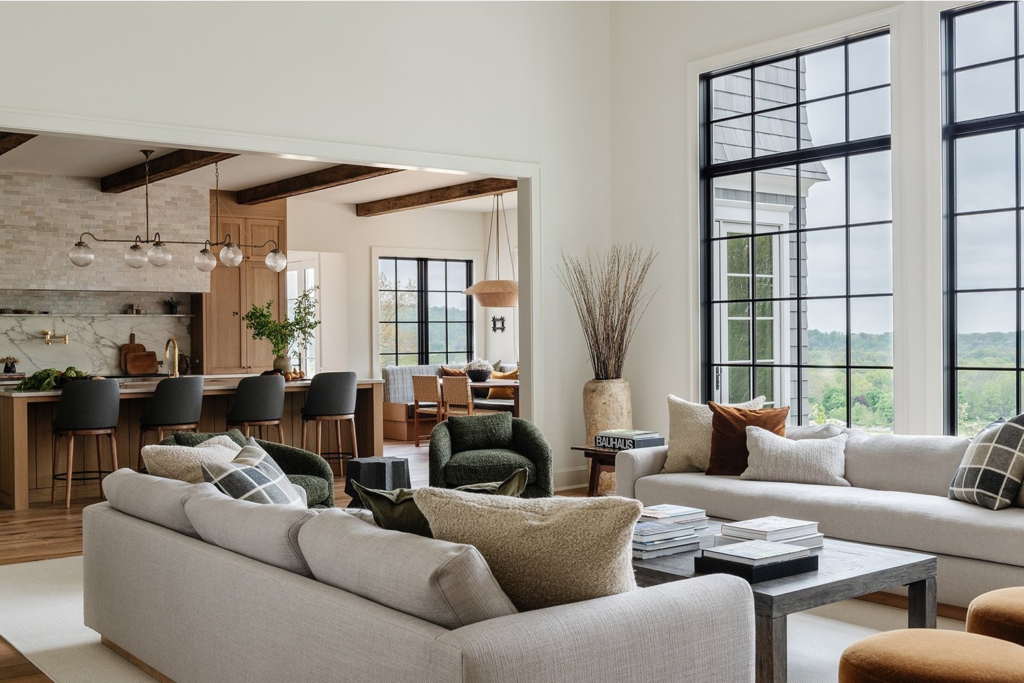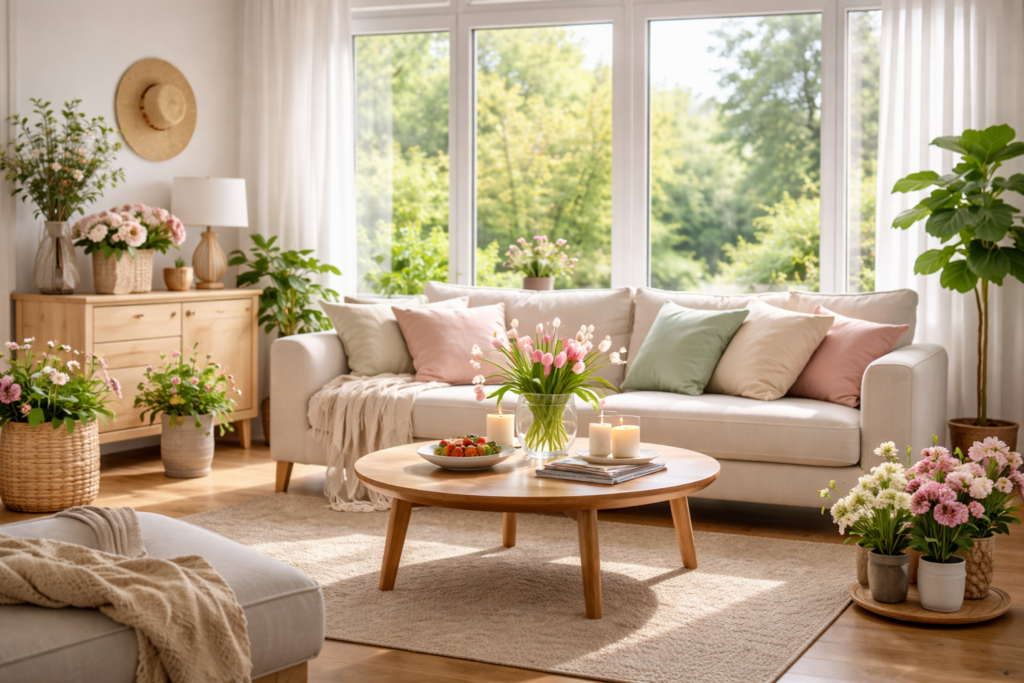

Spring is when people start noticing what feels off in a room. The light changes. Heavy fabrics feel heavier. Corners that seemed cozy in winter suddenly read dull, flat, or overfilled. The good news is that most rooms do not need a dramatic renovation to feel better. They need a sharper edit.
What designers are doing right now is not about tearing everything out. It is about making a space feel lighter, softer, and more intentional through a few strategic moves. For homeowners, renters, flippers, and real estate professionals alike, that matters. Small changes can shift how a room photographs, how it feels in person, and how much value people perceive in it.
Start with the windows, not the furniture
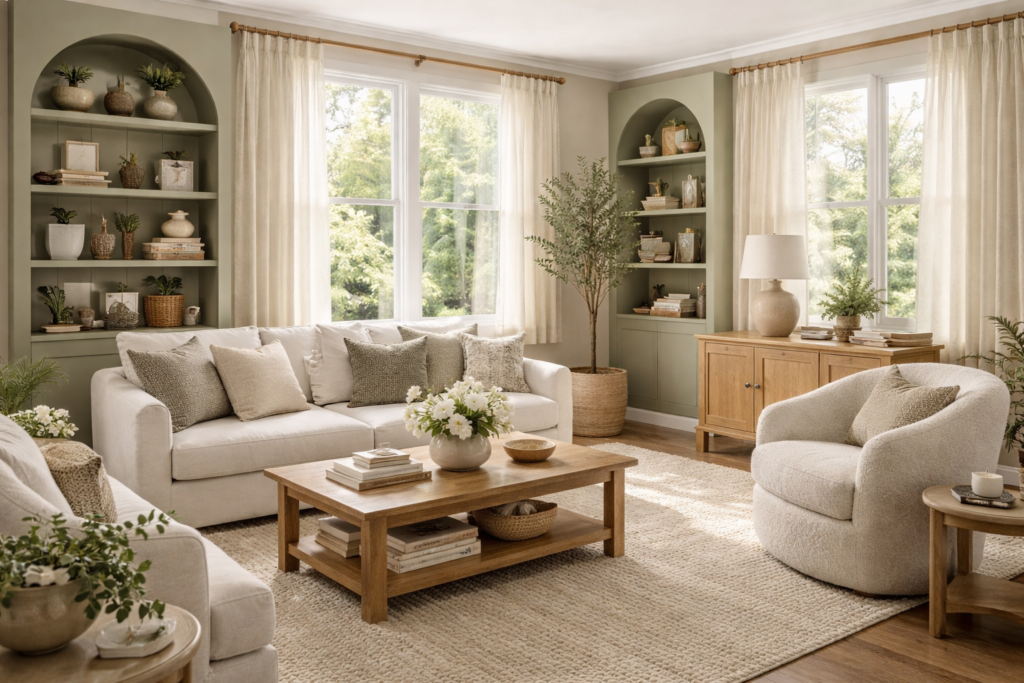
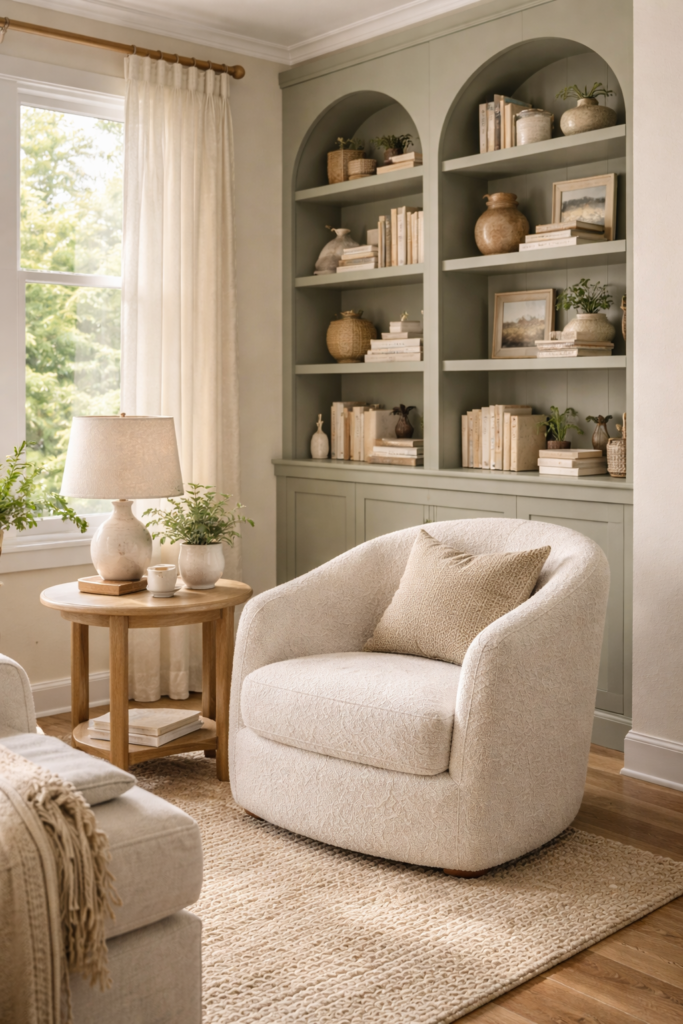
One of the fastest ways to refresh a room is to rethink the window treatment. Spring design is moving away from anything that feels stiff or overly formal and leaning toward softness: café curtains, lightly gathered drapes, relaxed blinds, and layered treatments that filter light instead of blocking it.
This matters because windows control the emotional tone of a room. A bulky curtain can make a bright room feel heavy. A softer treatment can make the same room feel taller, calmer, and more expensive. In kitchens, breakfast nooks, and smaller living spaces, café curtains are especially effective because they preserve privacy without sacrificing daylight.
Use color in smaller, smarter doses
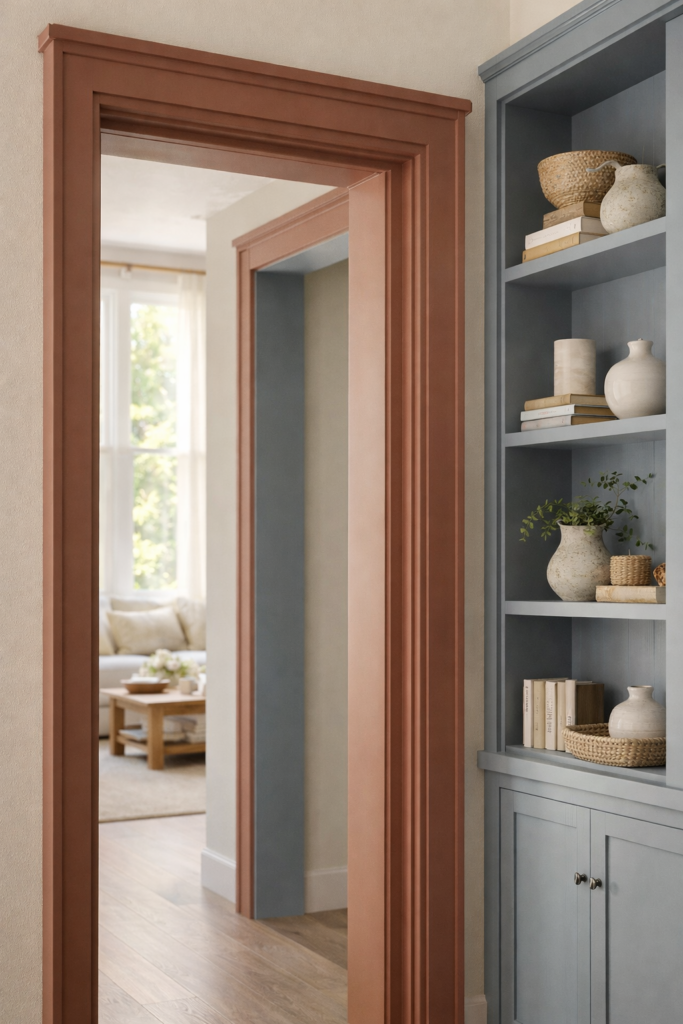
A lot of people still think a room refresh means repainting four walls. It often does not. One of the most useful ideas right now is using contrast in smaller, unexpected places — the inside of shelving, a door edge, trim transitions, a niche, a painted bench, or a built-in.
This approach works because it adds personality without overwhelming the room. It is especially helpful for new buyers and renters who want a designer look without a high-risk commitment. For flippers and investors, it is also a way to create memorability in listing photos without polarizing buyers.
Make books part of the design, not background clutter
Designers are treating bookshelves less like storage and more like architecture. That shift is why “book drenching” is getting attention. Instead of scattering books as filler, the idea is to let shelves, spines, and surrounding millwork shape the whole mood of the room.
Done well, this creates instant depth and character. In a living room, it makes the space feel lived-in and intelligent. In a study, it creates identity. In a staging context, it can help a room read as purposeful rather than empty. The trick is not perfection. It is density, rhythm, and restraint. Keep some areas tight, some open, and let the books do visual work.
Add comfort through texture, not more stuff
When people say a room feels flat, they often think they need more decor. Usually, they need more texture. Spring interiors are not necessarily minimalist, but they are more tactile. Linen, boucle, matelassé, woven shades, low-pile carpet, washed cotton, ribbed ceramics, and natural wood finishes all help a room feel layered without making it feel crowded.
This is one of the most cost-effective upgrades for almost any property. A textured throw, a woven blind, a nubby pillow, or a better rug can do more for a room than several decorative accessories ever will. Texture also photographs well, which matters for design portfolios and real estate marketing.
Reconsider carpet as a comfort feature
For years, wall-to-wall carpet was treated like something to rip out. That attitude is changing, especially in bedrooms, dens, and media spaces. The comeback is not about dated beige broadloom. It is about warmth, acoustics, and a room that feels wrapped rather than pieced together.
In the right space, carpet can soften hard architecture and reduce visual fragmentation. That makes it especially useful in oddly shaped rooms, family dens, and lower-level spaces that need more warmth. Even if wall-to-wall is not the right move, the lesson still applies: rooms feel better when the flooring supports comfort instead of competing for attention.
Build multifunction into the room early
The most interesting rooms now are not single-purpose. A study can borrow from a lounge. A guest room can include a compact workspace. A library can become an entertaining zone. Multifunction design is not just practical; it is one of the clearest signs that a room has been thought through for real life.
This is particularly important for urban homes, condos, and investor properties where square footage is under pressure. Instead of asking what one room is for, ask what two jobs it could do gracefully. The answer often leads to better layouts, better furniture choices, and better long-term value.
Refresh the room by editing what is already there
The most underrated spring design move is subtraction. Remove one bulky chair. Swap three small objects for one strong piece. Pull furniture a few inches farther from the wall. Restyle the coffee table. Move a lamp. Replace tired pillow covers. Many rooms do not need new identity. They need clarity.
That is what good design does at every budget level. It helps a room feel intentional. And when a room feels intentional, it usually feels more beautiful, more comfortable, and more valuable too.
Final thought
A spring room refresh should not feel like pressure to buy a whole new home in pieces. It should feel like a chance to make your space work better and look sharper with a few well-judged changes. Softer windows, smarter color placement, better texture, more thoughtful shelving, and more flexible layouts are not just trends. They are practical design decisions that make rooms easier to love.
For anyone upgrading a home to live in, rent out, stage, or sell, that is the real opportunity: not chasing every trend, but choosing the ones that genuinely improve the way a room feels.
Continue Reading
Start with Windows: Easy Spring Room Refresh Ideas
Discover how small changes like updating your windows can instantly brighten your space and refresh your room for spring.