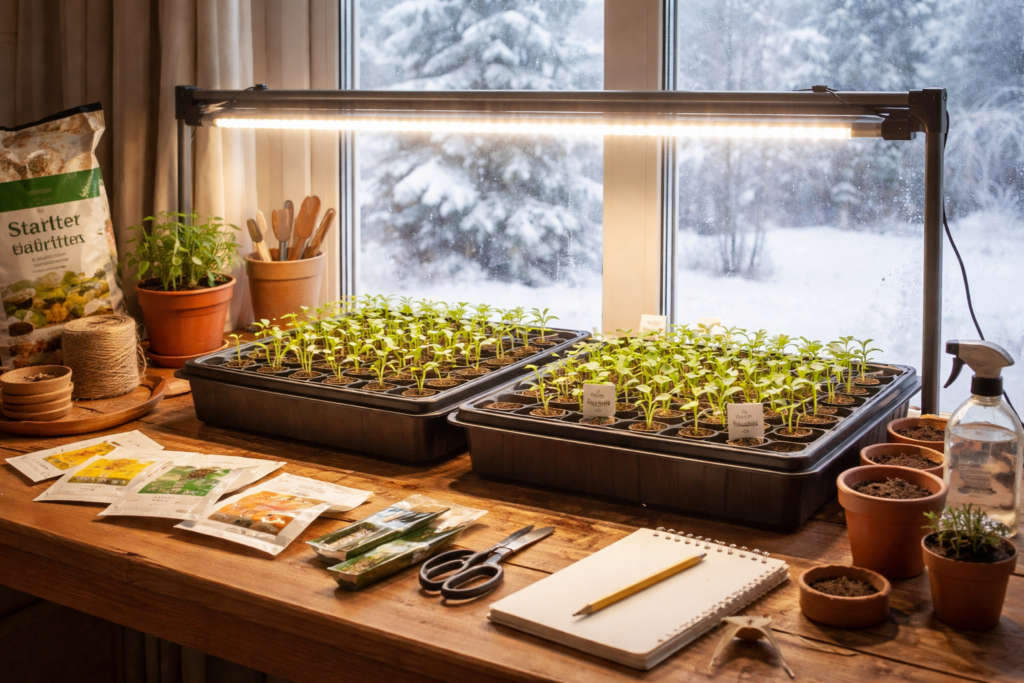
Early spring is not simply the beginning of the gardening season—it is the most important phase for establishing long-term success. From a horticultural perspective, this period is when soil biology reactivates, plant roots begin developing, and environmental conditions shift rapidly.
Many gardeners make the mistake of rushing into planting. However, successful gardening is not about planting early—it is about preparing correctly.
During early spring, your focus should be on:
- Restoring soil structure after winter
- Encouraging microbial activity
- Selecting crops suited to cool conditions
- Establishing strong root systems
When done properly, this stage creates a garden that is more resilient, productive, and easier to maintain throughout the growing season.
Cold-Hardy Vegetables to Plant in Early Spring
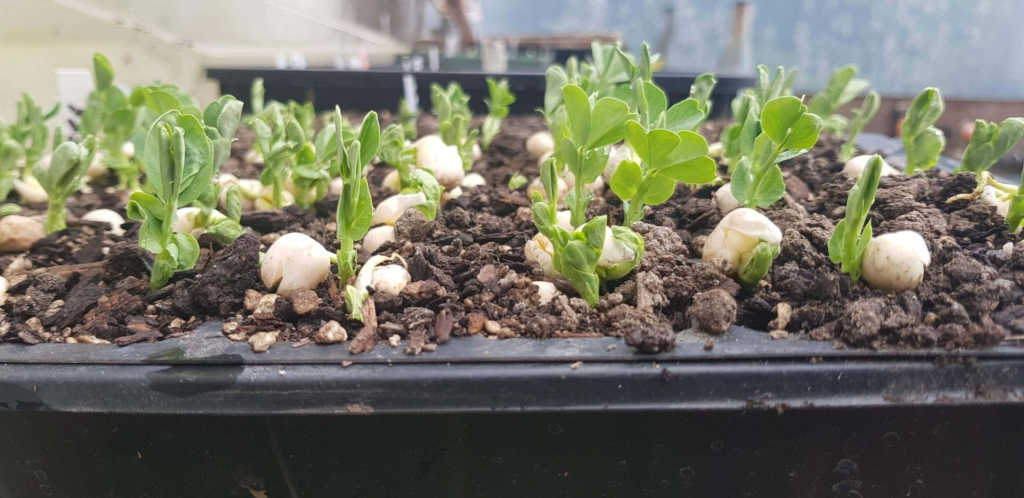
Cold-hardy vegetables are ideal for early spring because they are biologically adapted to grow in cooler temperatures and light frost conditions.
Unlike warm-season crops, these plants can function efficiently in low soil temperatures due to their ability to regulate internal cell fluids and maintain metabolic activity.
Examples of cold-hardy vegetables include spinach, lettuce, kale, peas, radishes, and carrots.
Planting these crops early provides several advantages. First, pest pressure is significantly lower in early spring, allowing plants to establish without heavy damage. Second, soil moisture levels are naturally higher, reducing the need for frequent watering. Third, these crops perform best in cool weather and often decline once temperatures rise.
A key principle when planting cold-hardy vegetables is to focus on soil condition rather than calendar dates. Soil should be workable, meaning it crumbles easily and is not overly wet or compacted. Planting in poor soil conditions can lead to slow germination or seed rot.
For continuous production, experienced gardeners use succession planting. Instead of planting everything at once, seeds are sown at intervals of one to two weeks. This ensures a steady harvest over time rather than a single overwhelming yield.
Herbs to Start in Early Spring
Herbs behave differently from vegetables because their quality is directly tied to flavor compounds produced in their leaves.
Cool-season herbs such as parsley, cilantro, chives, and thyme perform particularly well in early spring conditions. During this time, plants remain in a vegetative growth stage, focusing on leaf production rather than flowering.
As temperatures rise and daylight increases, many herbs begin to bolt. Bolting is the process where a plant shifts from leaf growth to flowering and seed production. When this happens, leaf quality declines, and flavors often become bitter.
Managing herbs in early spring involves maintaining stable growing conditions to delay this transition. Consistent moisture, moderate temperatures, and minimal stress help prolong the period of high-quality leaf production.
Cilantro, in particular, benefits from staggered planting. By sowing seeds every few weeks, gardeners can maintain a continuous supply even as individual plants begin to bolt.
Early Spring Flowers and Their Role in the Garden
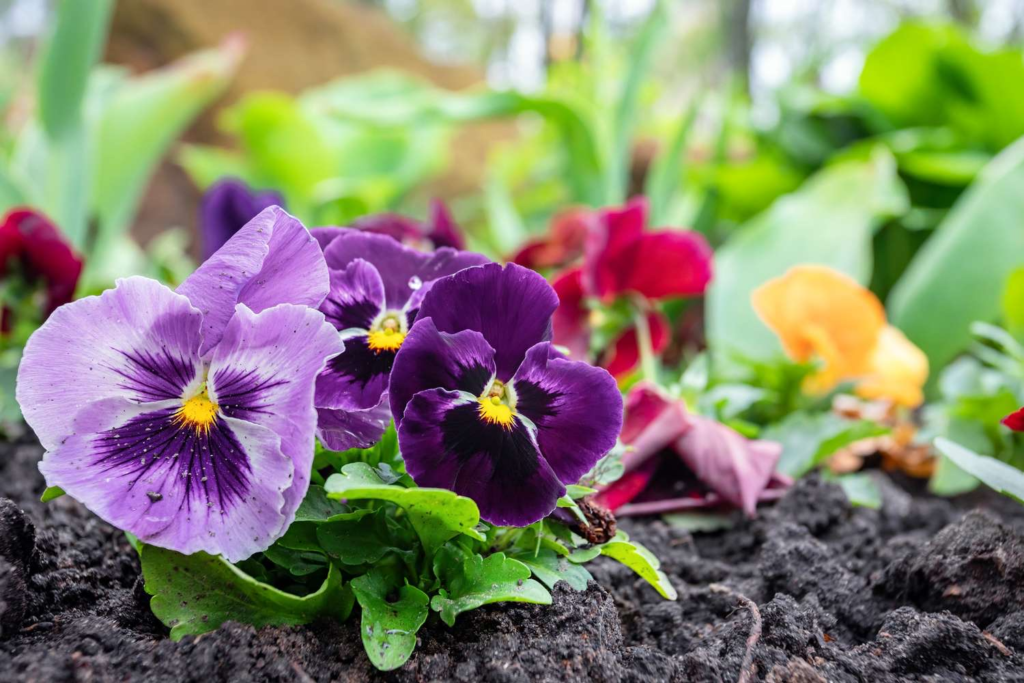
Early spring flowers are more than decorative elements—they play a crucial role in supporting the garden ecosystem.
Pollinators such as bees emerge early in the season and require immediate access to nectar and pollen. Without available flowers, pollinator activity may decrease, which can impact fruiting crops later in the season.
Plants like pansies, violas, snapdragons, tulips, and daffodils are well-suited for early spring conditions. They can tolerate cooler temperatures while providing essential food sources for beneficial insects.
In addition to supporting pollinators, early flowers contribute to overall garden balance. They help establish insect populations that can later control pests naturally, reducing the need for chemical interventions.
Indoor Seed Starting for Warm-Season Crops
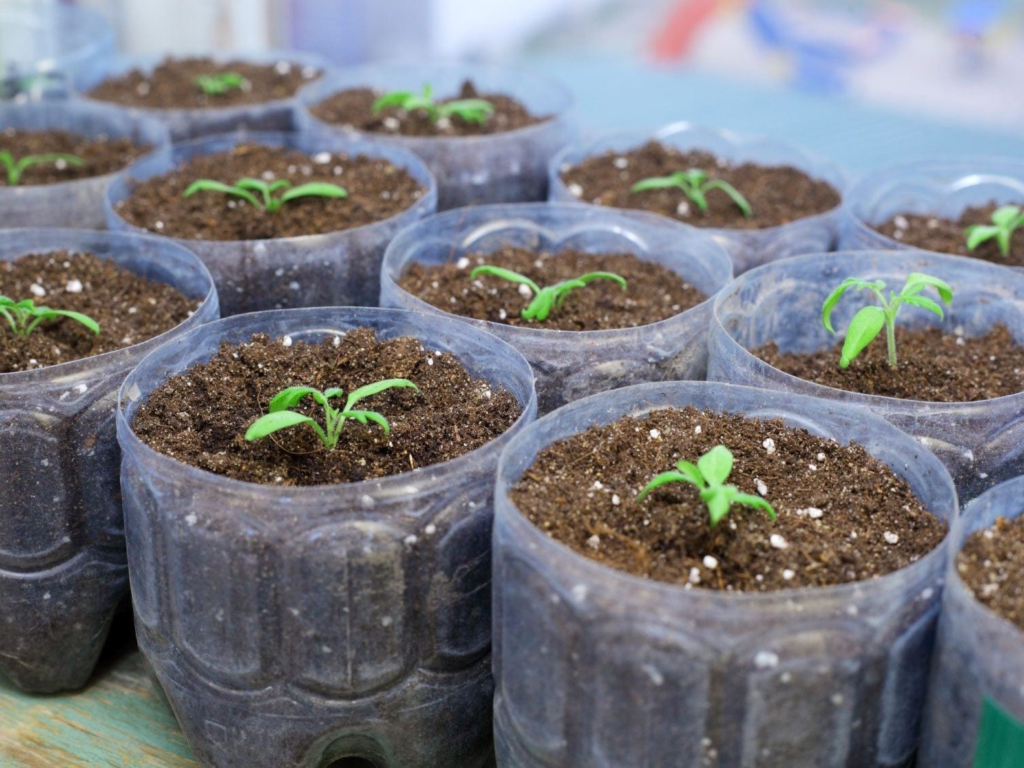
Starting seeds indoors allows gardeners to control environmental conditions and produce strong, healthy plants before outdoor conditions become suitable.
Warm-season crops such as tomatoes, peppers, eggplant, broccoli, and cabbage benefit significantly from early indoor starting. These plants require higher temperatures to germinate and grow, which are not consistently available outdoors in early spring.
Successful indoor seed starting depends on managing several key factors. Light is one of the most important. Insufficient light leads to weak, elongated seedlings that struggle after transplanting. Providing strong, consistent light close to the plant canopy encourages compact and sturdy growth.
Temperature must also be controlled. While warmth promotes germination, excessive heat combined with low light can lead to poor plant structure. Maintaining moderate temperatures ensures balanced growth.
Moisture management is equally important. Soil should remain consistently moist but not saturated, as overly wet conditions can lead to fungal diseases such as damping-off.
When properly managed, indoor seedlings develop strong stems and healthy root systems, making them better prepared for outdoor conditions.
Soil Preparation for Early Spring Gardening
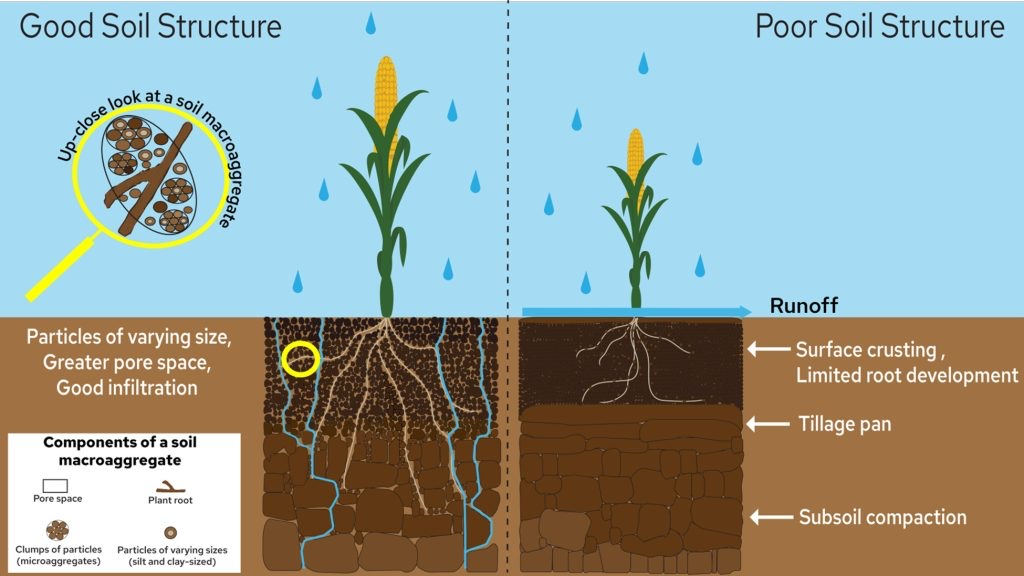
Soil preparation is the most critical step in early spring gardening. Healthy soil provides the foundation for plant growth, nutrient availability, and water retention.
After winter, soil is often compacted and low in biological activity. Preparing it properly ensures that plants can establish quickly and grow efficiently.
The process begins with removing debris such as dead plants, weeds, and rocks. This reduces disease risk and eliminates competition for nutrients.
Next, the soil should be loosened to improve aeration and root penetration. However, care must be taken not to overwork the soil, especially when it is wet. Excessive disturbance can damage soil structure and reduce long-term fertility.
Adding organic matter, such as compost or aged manure, is essential. Organic matter improves soil texture, enhances microbial activity, and increases nutrient availability.
Testing soil pH is also important. Most garden plants prefer a slightly acidic to neutral range between 6.0 and 7.0. If pH levels are outside this range, nutrients may not be accessible to plants even if they are present in the soil.
A well-prepared soil creates an environment where plants can grow with minimal stress and intervention.
Frost Protection Strategies for Early Spring Plants

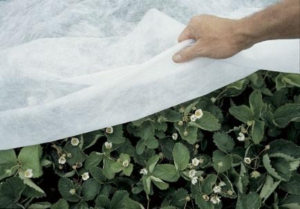
Frost is one of the biggest risks in early spring gardening. However, damage is not caused solely by low temperatures—it is often the result of rapid heat loss from the soil and plant surfaces.
Protecting plants involves maintaining a stable temperature around them. Covering plants with cloth, row covers, or other materials helps trap heat and prevent it from escaping overnight.
Moist soil retains heat better than dry soil, so watering before a frost event can provide additional protection. Positioning plants near structures such as walls or fences can also create warmer microclimates.
These techniques work by reducing temperature fluctuations and protecting sensitive plant tissues from freezing conditions.
Watering and Fertilizing in Early Spring
Watering and fertilizing practices in early spring should focus on supporting root development rather than rapid top growth.
Deep, infrequent watering encourages roots to grow downward, creating stronger and more drought-resistant plants. In contrast, shallow watering leads to weak root systems that are more vulnerable to environmental stress.
Fertilizing should be approached carefully. Early in the season, plants benefit from balanced nutrients that support both root and leaf development. However, excessive nitrogen can lead to rapid, weak growth that attracts pests and reduces plant stability.
As the season progresses and plants begin to flower, nutrient needs shift toward phosphorus and potassium.
The goal is to provide nutrients in a way that promotes steady, healthy growth rather than excessive or imbalanced development.
Garden Beds and Structural Improvements
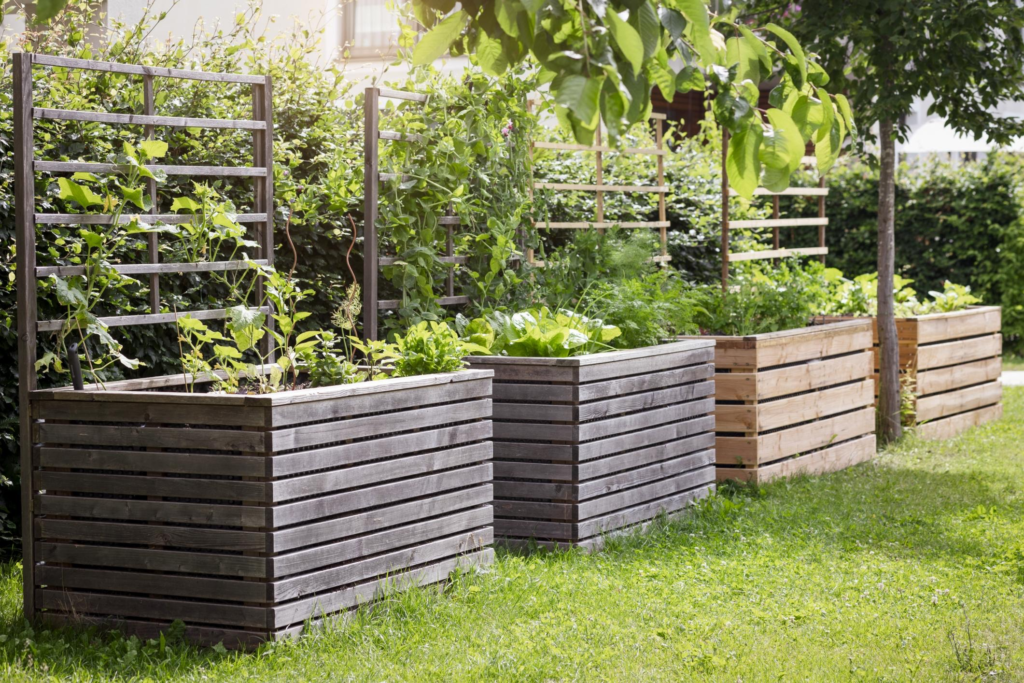
Garden design plays a significant role in plant health, productivity, and maintenance efficiency.
Raised beds are particularly beneficial in early spring because they warm up faster and provide better drainage. This creates more favorable conditions for early planting.
Vertical structures such as trellises allow climbing plants to grow upward, improving airflow and reducing disease risk. They also maximize space, especially in smaller gardens.
Mulching is another important practice. It helps retain soil moisture, regulate temperature, and suppress weeds. Over time, mulch breaks down and contributes organic matter to the soil, improving its quality.
Incorporating efficient irrigation systems, such as drip irrigation, ensures consistent watering while minimizing waste.
Seasonal Maintenance for Early Spring Gardens
Maintenance in early spring is focused on prevention rather than correction.
Removing weeds early prevents them from competing with crops for nutrients and water. Monitoring for pests allows for early intervention before infestations become severe.
Pruning dead or damaged plant material improves airflow and reduces the risk of disease. Crop rotation helps prevent the buildup of soil-borne pathogens and maintains soil health over time.
By addressing these factors early, gardeners can avoid many of the problems that typically arise later in the season.
Preparing for Late Spring and Summer
As temperatures continue to rise, the garden transitions into a period of rapid growth and increased demand.
This is the time to begin transplanting warm-season crops, adjusting fertilization practices, and establishing consistent watering routines.
Planning ahead during early spring ensures that this transition is smooth and that plants are well-prepared to handle changing conditions.
Final Thoughts: Build the Foundation Now
Early spring gardening is not about doing more—it is about doing the right things at the right time.
By focusing on soil health, selecting appropriate crops, and managing environmental conditions, gardeners can create a system that supports strong growth, high yields, and long-term sustainability.
The success of your garden is determined not by what you do later in the season, but by the decisions you make right now.