Renovation Season · Micro Renovations
Micro-Renovations That Actually Move the Needle on Home Value
The biggest myth in real estate is that you need to spend big to earn big. The data says otherwise — and in 2026, the projects with the highest returns are exactly the ones most homeowners overlook.
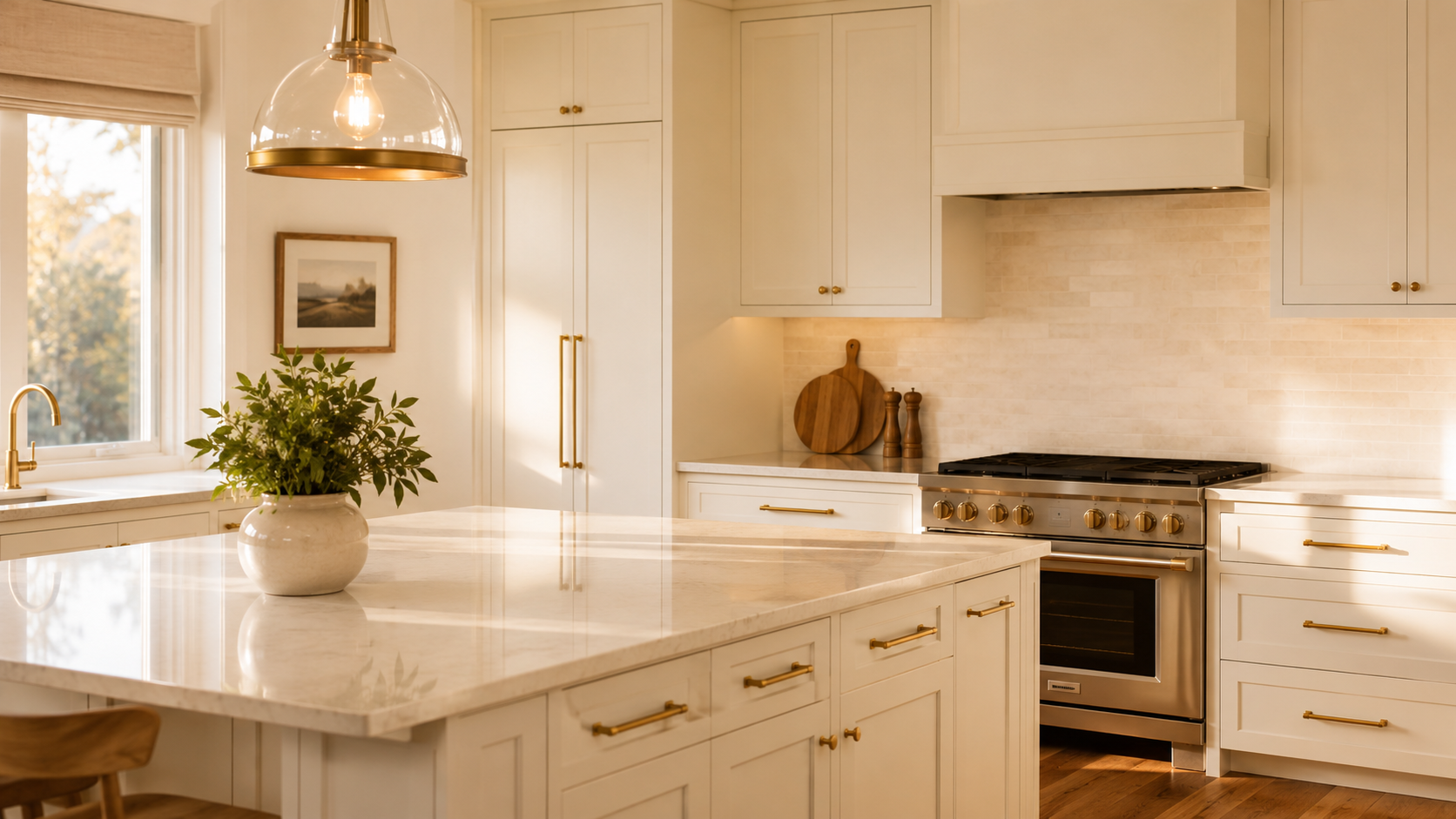
There’s a version of renovation thinking that goes something like this: the kitchen is dated, so it needs to come out completely. The bathroom feels tired, so everything has to go. The floors are scuffed, so you’re looking at new ones throughout. It’s a mindset that makes renovation budgets balloon before a single tool is picked up — and according to every credible source tracking renovation returns in 2026, it’s also one of the most reliable ways to lose money on a house. The average homeowner who goes all-in on a major kitchen gut renovation recovers roughly 36% of what they spent at resale. A minor refresh of that exact same kitchen — paint the cabinets, swap the hardware, update the countertop, improve the lighting — returns 113%. That gap is not a rounding error. It’s the difference between micro renovations that move the needle on home value and a renovation that mostly moves money out of your pocket.
The data behind that 113% figure comes from the 2025–2026 Cost vs. Value Report, which tracks actual project costs and resale returns across hundreds of markets in the US, with strong parallel findings from the Appraisal Institute of Canada. What the numbers keep confirming, year after year, is that the work buyers notice most is rarely the work that cost the most. They notice the cabinets — not whether you moved the plumbing. They notice the light — not whether you upgraded to a subzero refrigerator. They notice the floors — but they notice hardwood refinishing even more than new hardwood installation, because refinishing delivers a 147% return while new luxury vinyl plank delivers 118%. The lesson embedded in all of it is the same: surface changes, done well, consistently outperform structural overhauls. And in 2026, with material costs elevated by tariff pressures on imported cabinets and softwood lumber, that principle is more financially relevant than it’s ever been.
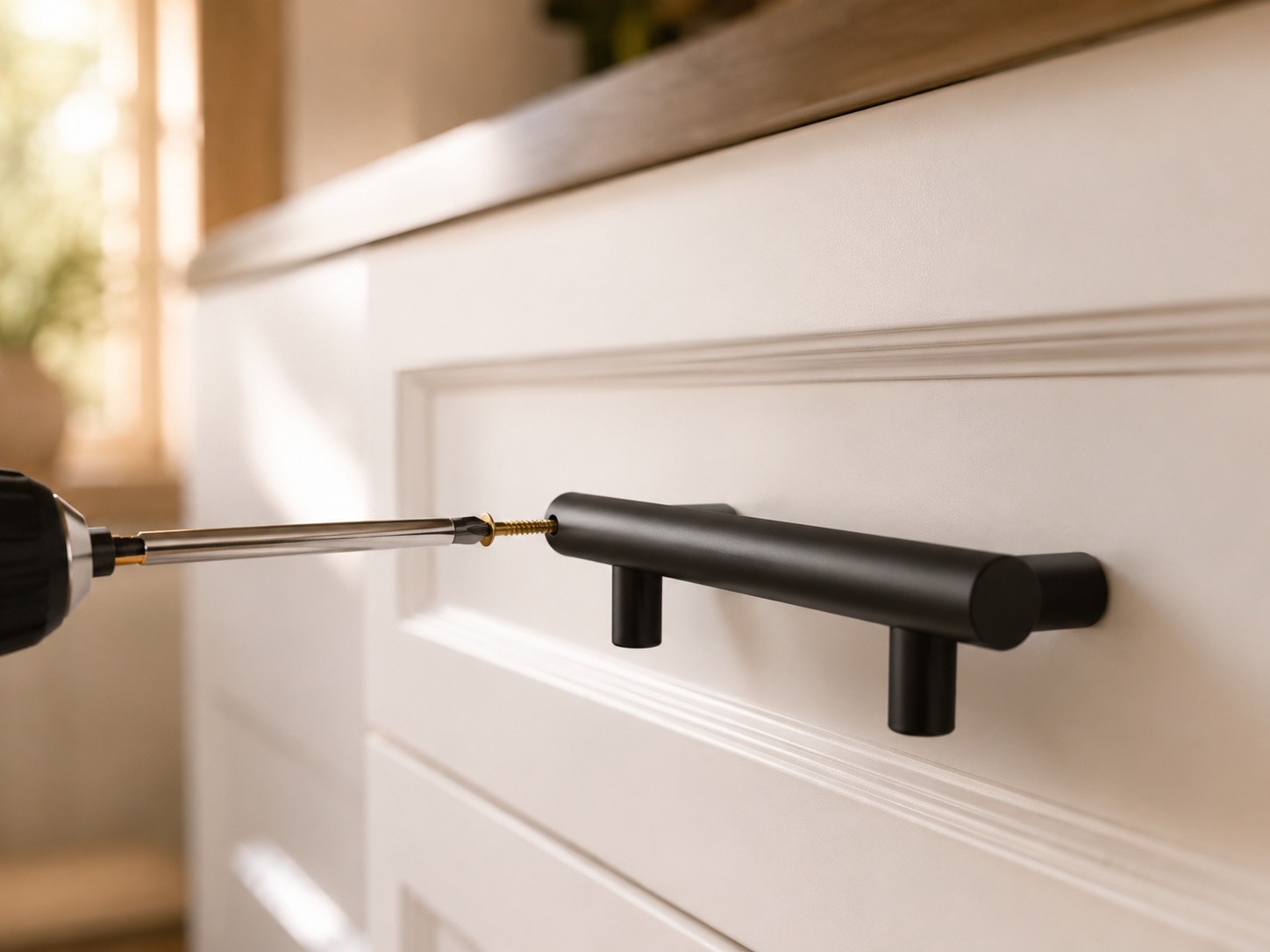
The micro renovations home value case is also a story about buyer psychology, not just spreadsheet math. When a buyer walks into a home, they’re not auditing square footage or mentally calculating material costs. They’re making a feeling-based decision in the first 30 seconds — and the things that shape that feeling are almost entirely cosmetic. Fresh paint. Clean grout. Warm, layered lighting. The right hardware. A bathroom that reads as crisp and intentional even if the tile is original. These are the signals that tell a buyer the home has been cared for, and that’s the signal that moves offers. According to NerdWallet Canada’s 2026 renovation analysis, painting and general maintenance work is the near-universal priority for homeowners prepping for sale — not because it’s glamorous, but because agents know it’s what converts browsers into bidders.
Federal tariffs now add 25% to the cost of imported kitchen cabinets, making full replacement far more expensive than it was two years ago. Professional cabinet painting or refacing delivers the same visual result for a fraction of the cost — and in 2026, warm off-whites and natural wood tones are the finishes buyers are responding to most. You’re keeping the bones, refreshing the face, and keeping the budget intact.
If you have original hardwood under existing flooring or a topcoat that’s gone dull, refinishing is one of the few renovation projects that reliably returns more than you put in. Buyers in 2026 respond to original wood with a warmth they don’t extend to replacements. Dust containment has improved dramatically, so the process is far less disruptive than it used to be. Sand, stain if needed, and seal — and you have a room that reads as entirely new at roughly a third of the cost of new installation.
Lighting is the renovation that buyers feel without being able to name. A home with warm, layered lighting — a pendant over the island, a sconce in the hallway, recessed pot lights on dimmers in the main living area — reads as considered and elevated in a way that ten thousand dollars of new cabinetry doesn’t always achieve. Swap every builder-grade flush mount and dated brass chandelier. The materials cost is modest; the perceptual shift is substantial.
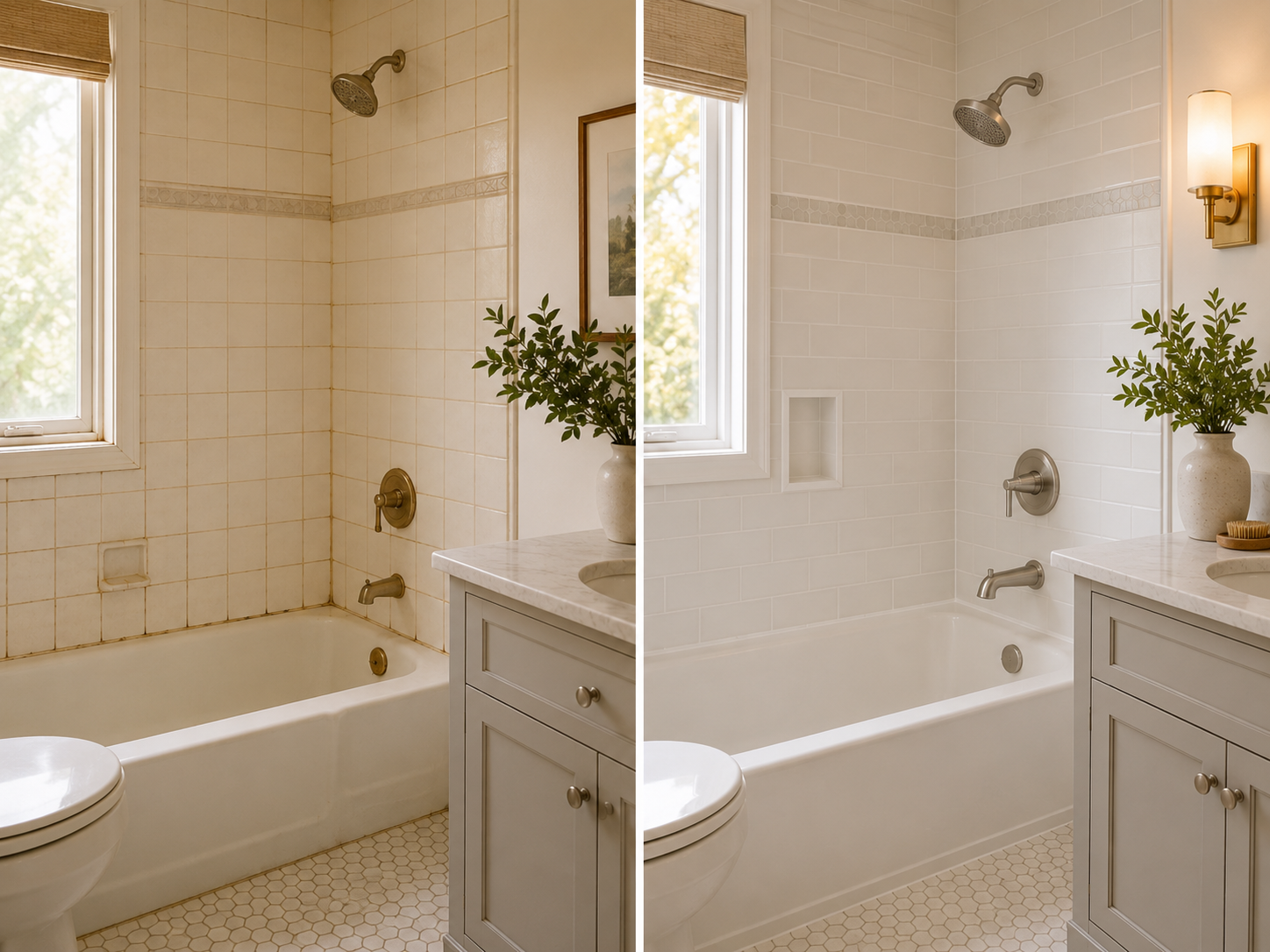
Discoloured grout and cracked caulk are the two things that turn a bathroom from acceptable to concerning in a buyer’s mind. They suggest neglect, even when nothing is structurally wrong. Fresh grout lines and a clean bead of caulk around the tub and shower cost almost nothing and communicate exactly what a buyer needs to see: this home has been looked after. It’s the cheapest maintenance-to-value conversion in the renovation playbook.
A steel entry door replacement has been returning over 200% of its cost for the past two years running. Even if you’re not replacing the door itself, refinishing or repainting it, swapping the handle set and deadbolt for something solid and modern, and adding a new exterior sconce changes the entire first impression of the home. Buyers form their opinion at the front door before they’ve set foot inside — and that opinion is remarkably hard to reverse once it’s formed.
Federal tariffs are now adding 25% to the cost of imported kitchen cabinets and 10% to softwood lumber. A full kitchen gut renovation that cost $60,000 in 2023 can now run $75,000–$80,000 for equivalent materials. This makes the micro-renovation case even more compelling: surface upgrades — paint, hardware, lighting, countertops — aren’t subject to the same tariff exposure. The gap between what you spend and what you recover has never been wider in favour of targeted refreshes.
The things buyers remember are the things they felt — and those are almost never the things that cost the most.
There’s one more thing worth saying about micro renovations and home value, and it has nothing to do with resale. A growing body of research, including Angus Reid’s 2024 Canadian Homeowner Renovation Report, found that over half of Canadian homeowners renovate primarily to improve how their home functions and feels — not to increase its eventual sale price. That’s the right priority. A home that works better, looks more intentional, and reads as cared-for is a home that’s easier to live in and easier to sell when the time comes. Those aren’t competing goals. The small, targeted projects that buyers respond to most are often exactly the same ones that make a house feel more like a home while you’re still in it.
The renovation season instinct to go big is understandable. Bigger projects feel more significant. They feel like progress. But the data from 2026 is unambiguous: the homeowners who come out ahead are the ones who resist the impulse to gut and replace, and instead ask a sharper question — what’s the highest-return change I can make to this specific room, right now, with what I have? More often than not, the answer involves a brush, a box of hardware, a lighting fixture, and a half-day of careful labour. Micro renovations that move the needle on home value aren’t a compromise on the big vision. They’re a smarter version of it.
Have nothing in your house that you do not know to be useful, or believe to be beautiful.
— William Morris