
Toronto’s Residential Real Estate Market in 2026: A Property-by-Property Reality Check
The GTA isn’t crashing, and it isn’t recovering cleanly. It’s differentiating — by property type, by neighbourhood, by how much patience a buyer or seller can afford. Here’s what the numbers actually say right now.
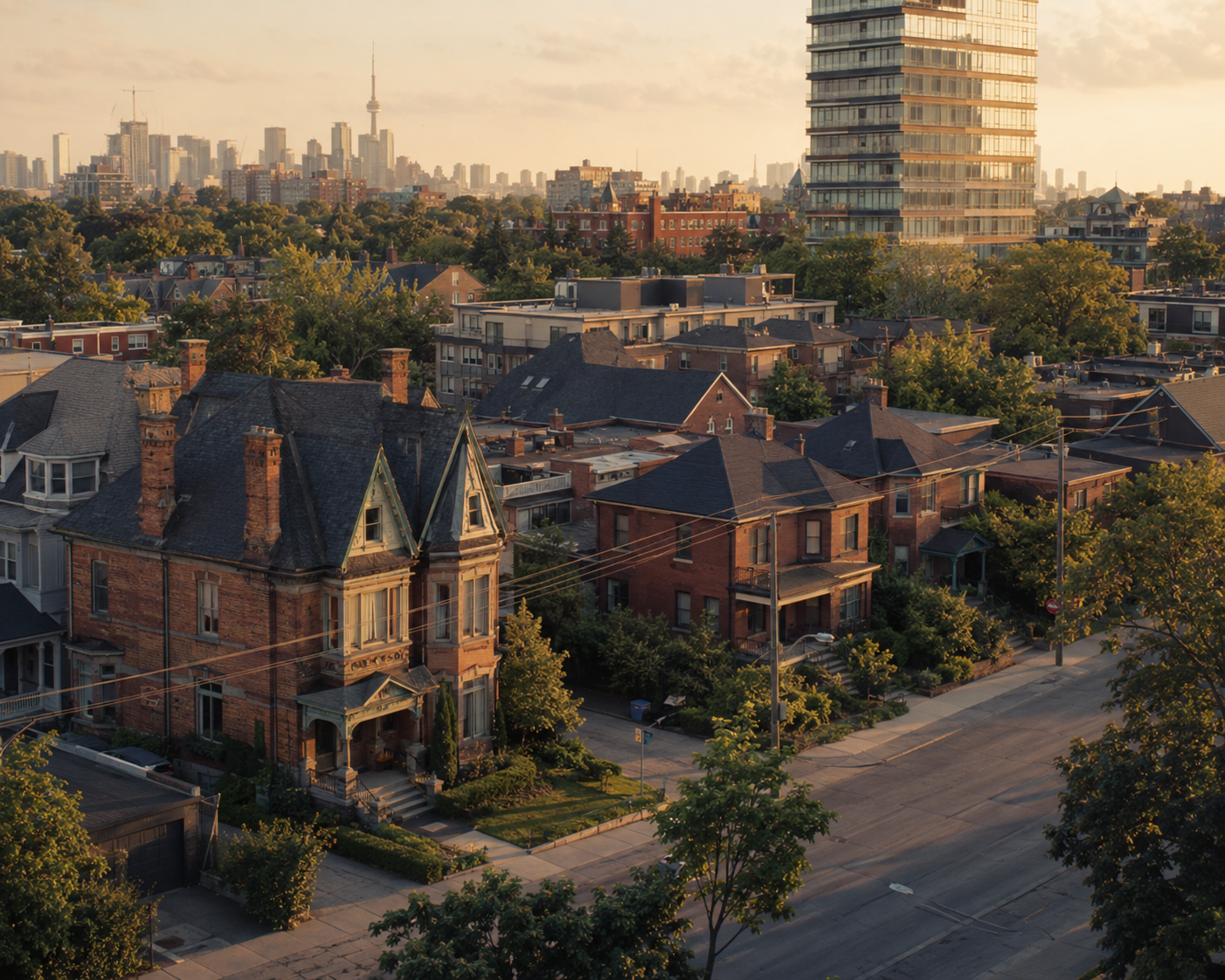
The Toronto residential real estate market in 2026 is the kind of market that punishes anyone looking for a single, clean narrative. It rewards those willing to go one layer deeper. Headline numbers — the benchmark price down 6.6% year-over-year, average GTA sale price at roughly $1,052,000 in April — tell you that correction is still underway. But the property type underneath that average tells you something very different, and it’s that difference that will determine whether the decision you make this year is a good one.
What’s actually happening is a market in the early stages of bifurcation. Core Toronto — the 416 — is tightening faster than the surrounding 905 region. Freehold properties are holding better than condos. And within freeholds, semi-detached homes in the city have already crossed into balanced market territory while townhouses are still struggling to find a floor. Treating “the Toronto market” as a single thing right now is one of the more expensive analytical mistakes a buyer or investor can make.
Let’s start with the segment doing best, because it’s also the most counterintuitive. Detached homes — the most expensive product in a market still bruised by two years of rate hikes — are quietly stabilizing. In the 416, detached average prices declined only 1.9% year-over-year to $1,668,973 in April 2026. Sales were up 6.6%. Listings were falling. The sales-to-new-listings ratio moved from 36% to 40%. For context, that rate of price decline is a dramatic improvement from where we were 12 to 18 months ago, when year-over-year drops in this segment were running at 5% to 8%. The floor is not confirmed, but the signals are clearly pointing toward one. Sellers who genuinely need to move are motivated — which means conditions, inspection clauses, and negotiating room are all available in a way that simply didn’t exist in 2021 or early 2022.
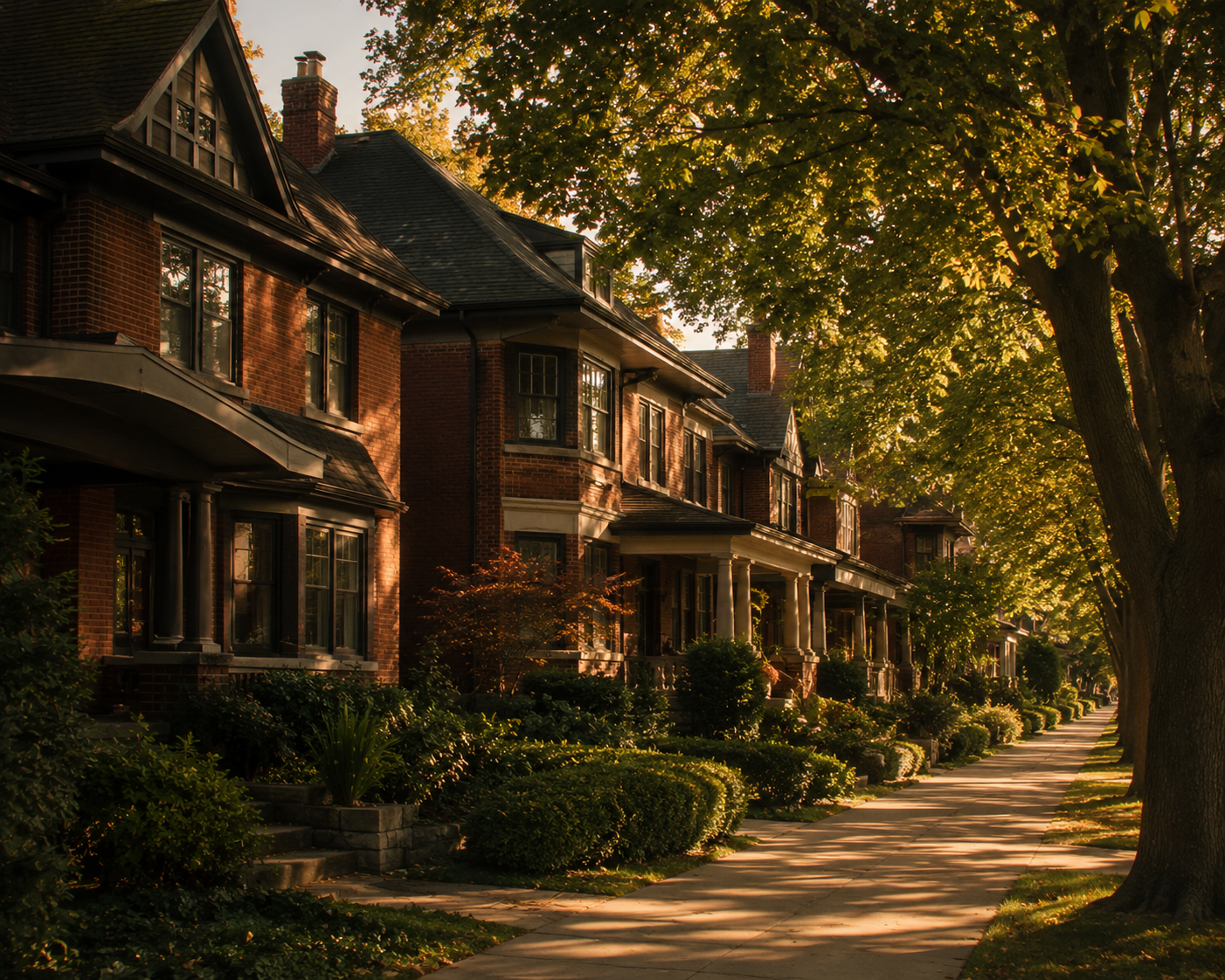
The semi-detached story is even more compelling, and it comes down to one structural reality: there simply aren’t many of them, and almost no new ones are being built. In April 2026, semi listings in the 416 dropped 21.4% year-over-year — a sharp supply contraction that pushed the sales-to-new-listings ratio from 43% to 51%, which by TRREB’s own definition now puts this segment in balanced market territory. Average semi prices in the 416 are actually up 1.5% year-over-year. Across the broader GTA, they’re still down 5.1% to $1.03 million, but the directional gap between core-city semis and suburban ones tells you where momentum is building. The 416 semi-detached market is the furthest along in its correction cycle of any segment right now.
Freehold townhouses are the segment that still needs to work through its correction. Average GTA townhouse prices fell 6.6% year-over-year to $939,000 in April 2026 — the weakest performance among the freehold categories. Sales volume was essentially flat. The issue isn’t demand; it’s pricing psychology. For the past two years, many townhouse sellers have anchored on 2022 peak values and been unwilling to price to the current market. That’s starting to change, but buyers in this segment are in a strong position to negotiate, and there’s no compelling urgency to rush a decision. If you’re a townhouse buyer, patience remains your most valuable asset right now.
The 416 semi-detached market has crossed into balanced territory first — constrained supply, rising SNLR, and a positive year-over-year price change. For investors considering a two-unit conversion or a garden suite addition, this segment is tightening faster than the others and may offer the narrowest buying window in the near term.
Condos are their own chapter entirely, and investors need to read it carefully. Across the GTA, condo apartment prices fell 6.3% year-over-year to an average of $636,000 in April 2026. Sales rose 9.2% from March and were up 8.6% above April 2025 — but more buyers at lower prices isn’t a demand surge; it’s opportunistic end-user buying. Nearly one in four condo transactions in April came in the $400,000 to $599,000 range. First-time buyers are finally finding entry points that work within their budgets, and for them, this market is arguably the best it has been in several years. For investors, the calculus is harder. Rents across the GTA have been falling since August 2023 — small condos have seen rental declines of around 13% from that peak — which means cap rates are being compressed from both sides simultaneously: falling prices have improved them somewhat, but falling rents have offset much of that gain. The condo investor who pencils a deal today needs to stress-test their numbers against continued rental softness.
The broader market context matters here too. TRREB has publicly estimated that over 100,000 potential buyers are sitting on the sidelines waiting for prices to stabilize. That’s a meaningful inventory of pent-up demand — and if new listings continue trending lower through spring, which April’s 9.3% year-over-year decline suggests they will, competition among buyers will start to build. April 2026 sales rose at a faster monthly rate than new listings, which TRREB flagged as potentially signalling increased competition in some neighbourhoods. The policy environment is also shifting, if slowly: Ontario’s new HST rebate on new homes under $1 million, federal-Ontario development charge agreements, and several suburban municipalities cutting residential development fees are all aimed at making new construction more viable. These changes take time to filter through to resale market dynamics, but they’re real signals about where government priorities sit.
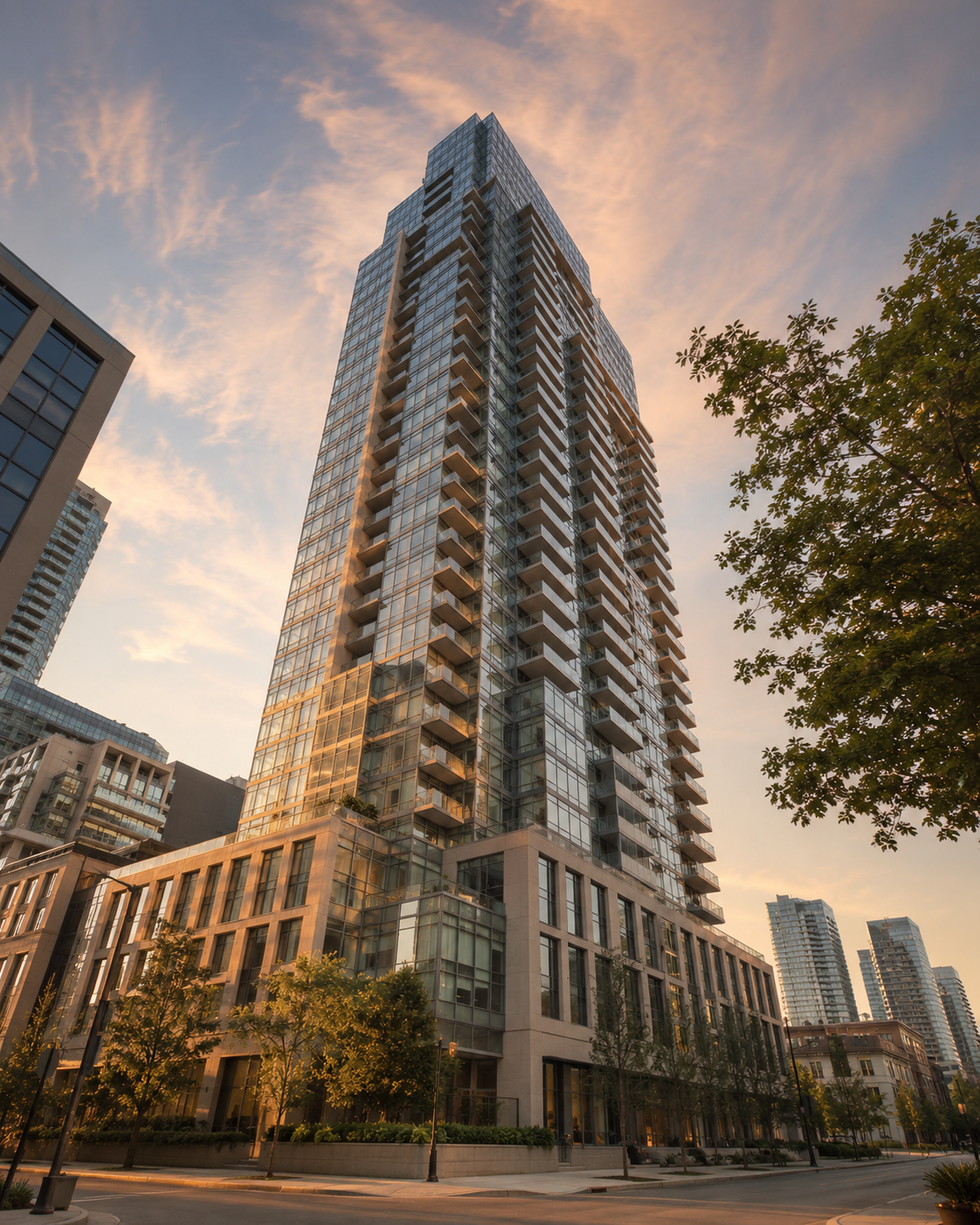
The risks in this market are real and worth naming directly. Global trade tensions and economic uncertainty suppressed buyer demand through most of 2025, and they haven’t disappeared. The pent-up demand TRREB cites is fragile — it evaporates quickly if consumer confidence takes another hit. In the condo segment specifically, a growing number of unsold units are being converted to rental supply rather than sold, which is good for renters but creates a continued overhang for investors trying to exit or deploy capital in that segment. And across all property types, prices at the current level remain disconnected from local median incomes in a way that creates structural vulnerability if mortgage rates were to rise materially from here.
The market snapshot by property type, as of April 2026:
| Property Type | Avg. Price | YoY Change | Signal |
|---|---|---|---|
| Detached (416) | $1,668,973 | −1.9% | Cautious-Bullish |
| Semi-Detached (416) | $1.03M (GTA avg) | +1.5% (416) | Bullish |
| Freehold Townhouse | $939,000 | −6.6% | Cautious |
| Condo Apartment | $636,000 | −6.3% | Cautious (investor) |
| GTA Average | $1,051,969 | −4.9% | Floor-forming |
What this market is offering right now is something it hasn’t offered in a long time: time. Buyers have the ability to do proper due diligence, negotiate meaningfully, and make decisions based on whether a property actually works for their lives over a five-plus year horizon rather than whether they can outbid a dozen competing offers in 48 hours. That window will close. The data is already beginning to show it narrowing — slowly, unevenly, but closing. The buyers who act with discipline now, in the segments and locations where the fundamentals are genuinely improving, will likely look back on this spring as the one that mattered.
Real estate is not about what the market is doing. It’s about what you’re doing in the market.
— NestDigest