
Designing for a Longer, Better Life
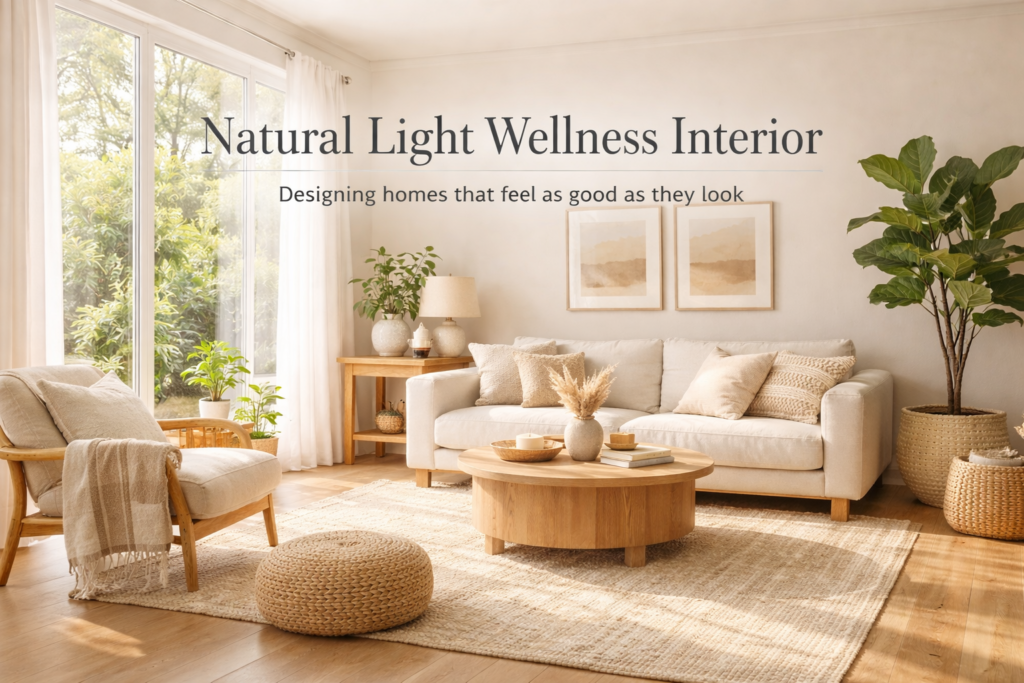
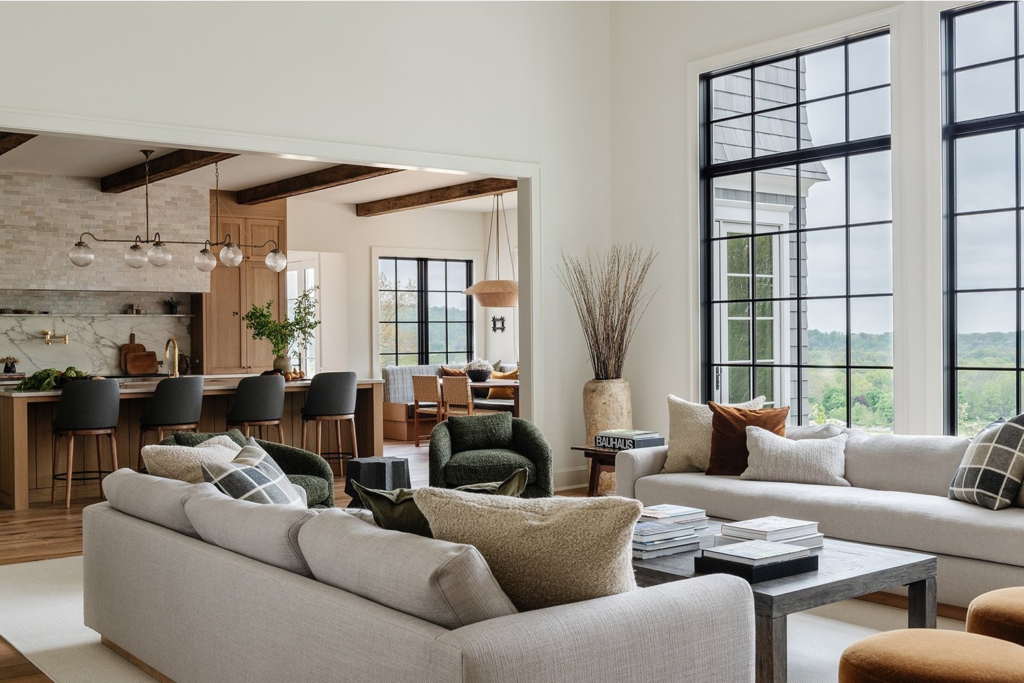
The idea of home has evolved—and not just aesthetically. In 2026, the most meaningful shift in design isn’t about what looks good on social media, but what feels right to live in every day. The rise of timeless interior design is now deeply intertwined with wellness, shaping spaces that support how we sleep, think, recharge, and function.
Today’s homeowners are no longer chasing fleeting trends. Instead, they’re embracing environments that promote longevity, calm, and clarity. From Gen Z renters to growing families, the question has shifted from “What’s stylish?” to “How does this space make me feel?”
This is where wellness homes come in—a concept that blends timeless home decor, natural materials interior design, and thoughtful functionality into a lifestyle-driven approach. It’s not about adding luxury features for the sake of it—it’s about creating a home that quietly supports your well-being every single day.
What Defines a Wellness Home in 2026?
A wellness home isn’t defined by a single feature or style. Instead, it reflects a deeper understanding of how design influences human experience. While every home is unique, several key principles are shaping this movement within interior design trends 2026.
Designing Spaces for Stillness and Balance
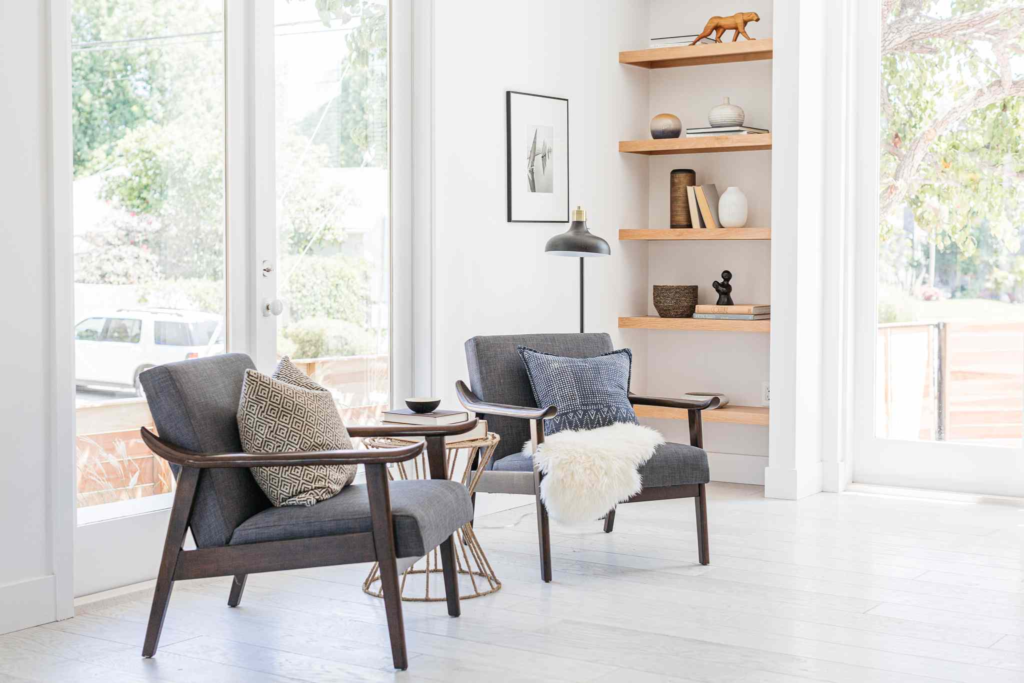
Modern homes are no longer just hubs of activity—they’re becoming places of restoration. Dedicated spaces for stillness, whether a reading corner or a quiet retreat, are essential in reducing overstimulation.
The difference lies in intention. A thoughtfully designed nook signals your brain to slow down, creating a psychological boundary between activity and rest. This approach aligns beautifully with timeless living room ideas, where comfort and calm coexist with refined design.
Integrating Heat and Cold Therapy
Once considered luxury additions, saunas and cold plunge tubs are becoming increasingly common in residential design. Homeowners are prioritizing these wellness features over purely aesthetic upgrades, recognizing their long-term physical and mental benefits.
From compact indoor installations to outdoor wellness zones, these elements reflect a broader shift toward homes that actively support health.
Lighting That Works With Your Body
Lighting is one of the most transformative yet overlooked aspects of home interior design ideas. Circadian lighting—cool and energizing in the morning, warm and calming in the evening—can significantly improve sleep quality and mood.
Layered lighting strategies not only enhance functionality but also create a sense of rhythm within the home, reinforcing the principles of modern classic interiors.
Invisible Wellness: Air, Materials, and Environment
Some of the most impactful design decisions are the ones you don’t see. Low-VOC paints, natural ventilation, and organic materials like wood, stone, and linen contribute to healthier living environments.
These subtle choices are foundational to luxury interior design that prioritizes well-being over excess—proving that true sophistication lies in thoughtful restraint.
Budget vs. Luxury: Where Wellness Design Matters Most
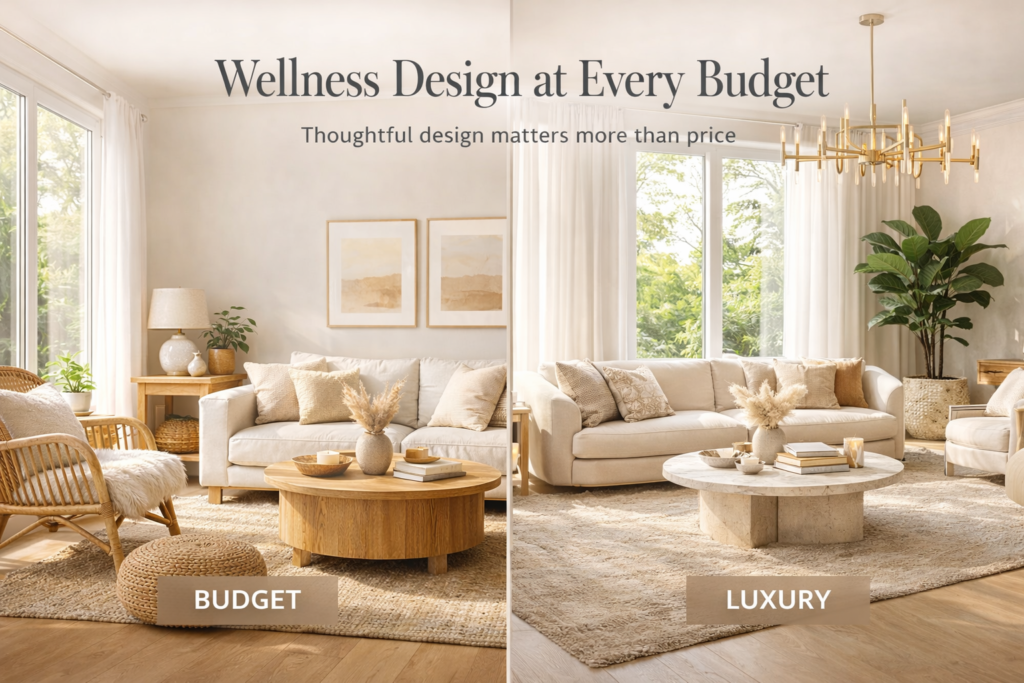
One of the biggest misconceptions about wellness homes is that they require a high-end budget. In reality, timeless interior design thrives on intentional choices rather than expensive ones.
At a practical level, small changes can have a powerful impact. Adjusting lighting temperature, defining functional zones, and incorporating natural textures can dramatically improve how a space feels. Even decluttering visual noise can reduce stress and create a more calming environment.
At the luxury end, wellness becomes more integrated. Features like built-in saunas, advanced air purification systems, and smart lighting create seamless experiences. But even here, fundamentals matter most.
A beautifully designed sauna won’t compensate for poor bedroom lighting or a chaotic layout. True wellness starts with the basics—and builds upward.
Wellness Design and Real Estate Value
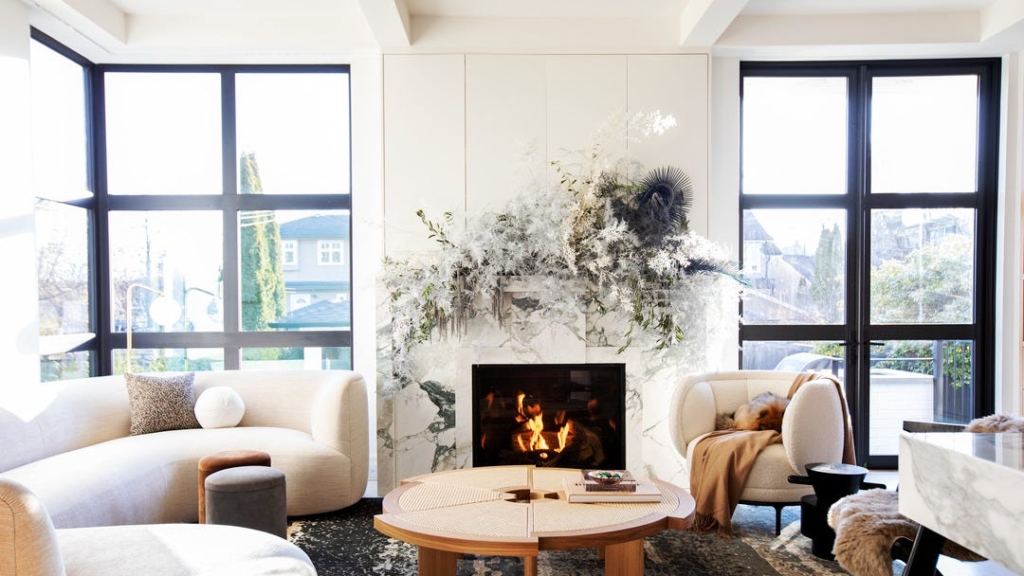
Wellness is no longer just a personal preference—it’s influencing buyer behavior. Homes that feel calm, balanced, and functional are increasingly outperforming others in competitive markets.
Buyers today are looking beyond finishes. They’re asking deeper questions:
- Does this home feel peaceful?
- Is there natural light?
- Can I imagine living well here every day?
This emotional connection is becoming a key driver of value. Properties that incorporate warm neutral interiors, natural materials, and thoughtful layouts are closing faster and leaving stronger impressions.
In many ways, wellness has become the new benchmark for desirability—subtly redefining what makes a home truly exceptional.
A Practical Guide to Creating a Wellness Home
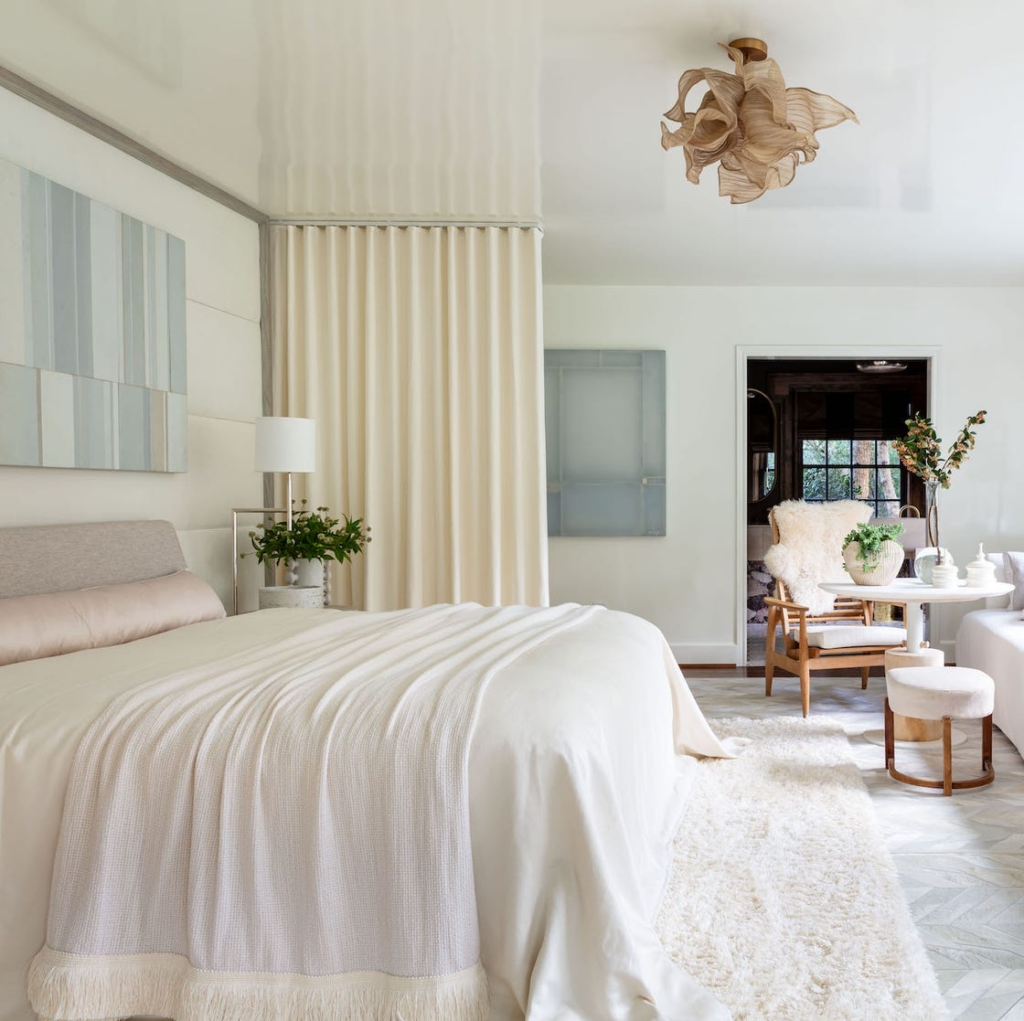
Designing a wellness-focused home doesn’t require a complete overhaul. Instead, it’s about layering thoughtful improvements that align with your lifestyle.
Start with lighting. It sets the tone for everything else and has an immediate impact on how your home feels throughout the day.
Next, create a dedicated reset zone. Even a small, intentional corner can provide a sense of calm and separation from daily stress.
Reducing sensory clutter is equally important. Simplifying your environment—visually and physically—helps create a more grounded and peaceful atmosphere.
From there, invest in one meaningful upgrade. Whether it’s improving air quality, upgrading your bedroom setup, or adding a wellness feature, focus on quality over quantity.
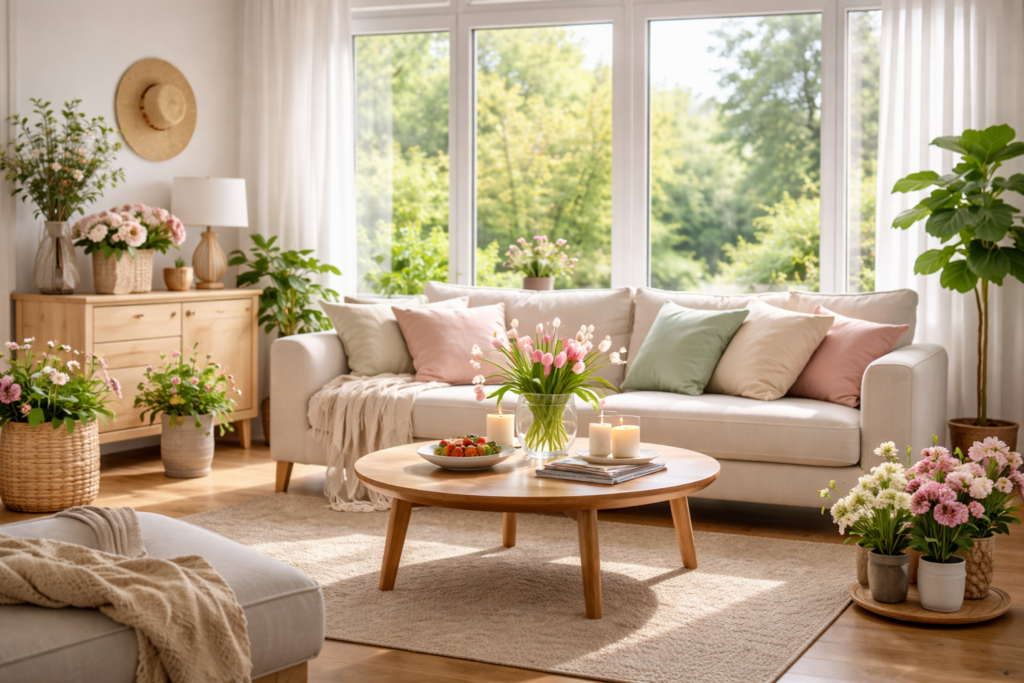
Finally, bring in natural elements. Plants, sunlight, and organic textures are essential components of timeless home decor, offering both aesthetic and emotional benefits.
Common Mistakes in Wellness-Focused Design
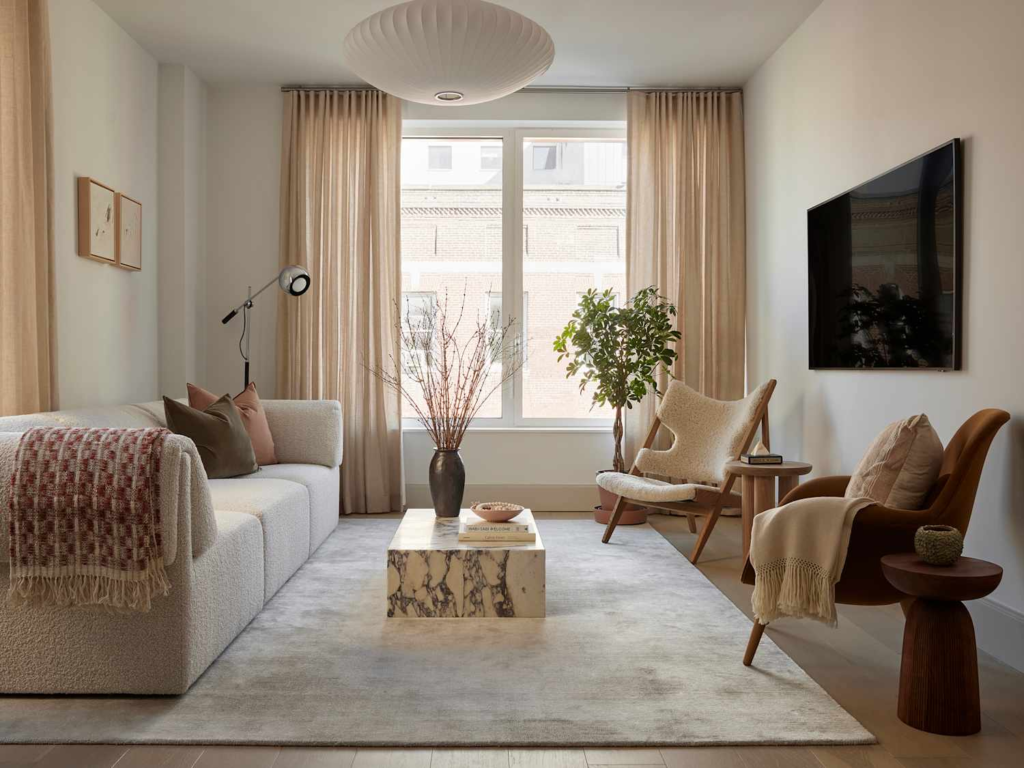
Despite its growing popularity, wellness design is often misunderstood.
One of the most common mistakes is treating it purely as an aesthetic. A neutral color palette alone doesn’t create calm—functionality and layout play a far greater role.
Over-designing is another frequent issue. Too many elements can overwhelm the senses, undermining the very purpose of a wellness space.
Equally important is aligning design choices with real life. Spaces that don’t fit daily routines quickly lose their purpose, no matter how beautiful they are.
And finally, chasing trends instead of personal needs can lead to costly missteps. Wellness is deeply individual—what works for one home may not work for another.
Designing a Home That Truly Supports You
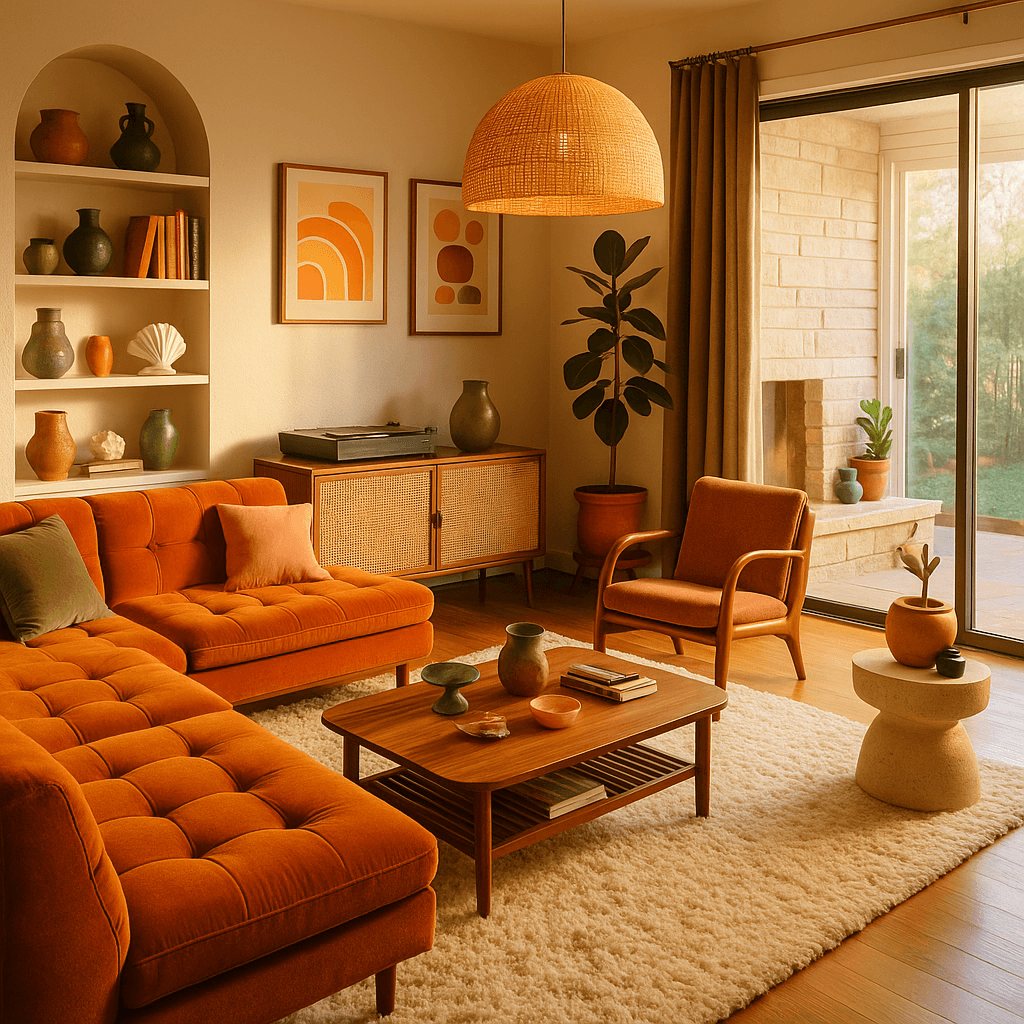
At its core, wellness design is about intention. It’s about creating a home that supports your energy when you need it—and helps you recover when you don’t.
A truly well-designed space balances activity and rest, aligns with your natural rhythms, and removes unnecessary friction from daily life.
This is where timeless interior design stands apart. It isn’t driven by trends or short-term appeal—it’s built around how people actually live, feel, and grow over time.
When done right, a wellness home doesn’t demand attention. It simply works—quietly enhancing your life in ways you may not even notice at first.
And that’s the real luxury: a home that doesn’t just look beautiful—but makes living in it feel effortless.