
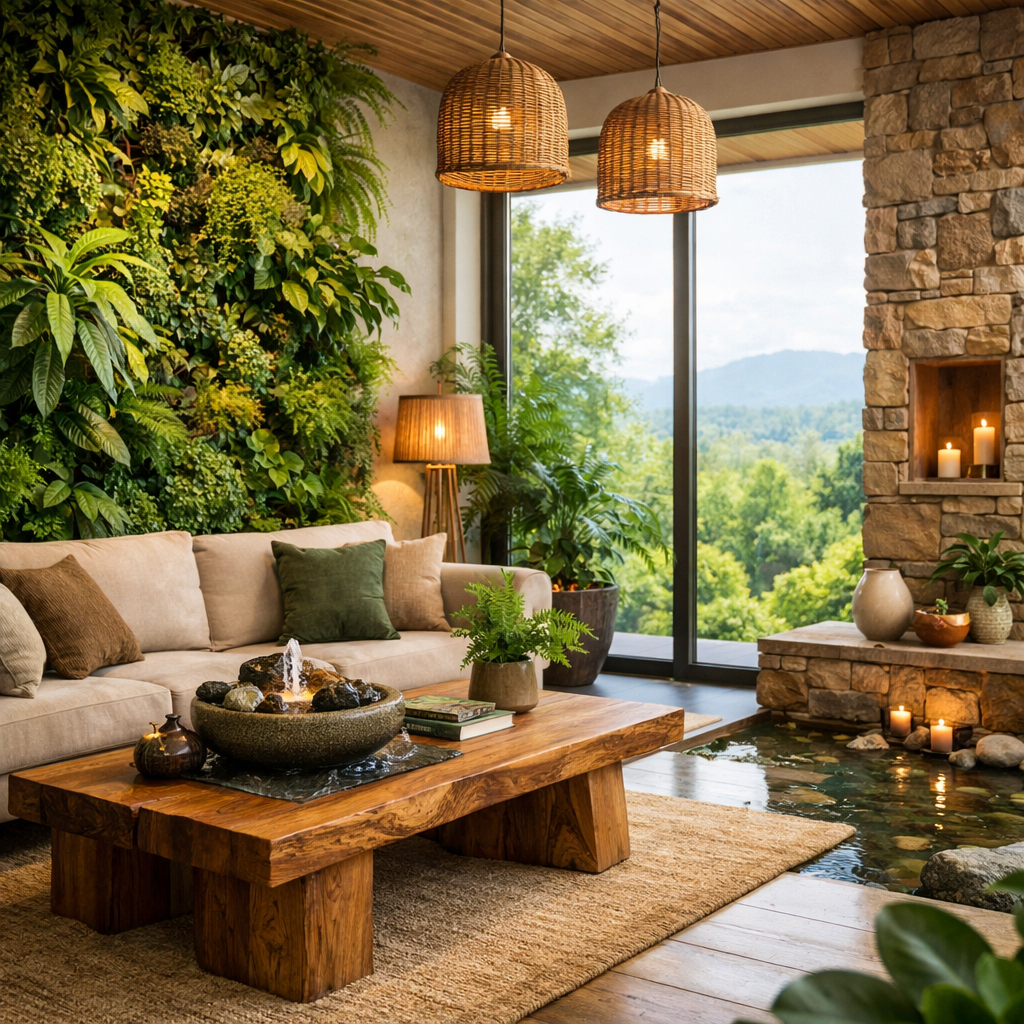
Introduction: Why Homeowners Are Embracing Nature-Inspired Living
Modern life keeps most of us indoors. Between long work hours, screen time, and urban living, many homeowners are searching for ways to reconnect with nature without leaving their homes. This growing desire has fueled the popularity of biophilic design, a design philosophy that focuses on integrating natural elements into interior spaces.
Biophilic design isn’t just a trend — it’s backed by science. Studies show that homes incorporating natural materials, sunlight, plants, and water features can improve mental health, reduce stress, boost creativity, and enhance overall well-being. As a result, homeowners, interior designers, and real estate developers are increasingly adopting this design approach.
In fact, homes designed with biophilic elements often feel more calming, more inviting, and more luxurious. Whether you live in a small apartment or a large house, adding nature-inspired design elements can dramatically transform your living environment.
In this guide, we’ll explore 10 powerful ways to bring nature into your home using biophilic design principles — from indoor plant walls to natural materials and wellness-focused bathrooms.
What Is Biophilic Design?
Before diving into the ideas, it’s helpful to understand what biophilic design actually means.
The term comes from the word “biophilia,” which refers to the natural human tendency to seek connections with nature. Biophilic design incorporates natural elements such as:
- Plants
- Sunlight
- Natural materials
- Organic shapes
- Water elements
- Natural airflow
- Views of nature
Instead of creating artificial environments, biophilic interiors aim to replicate the calming effects of the natural world inside the home.
Benefits of biophilic design include:
- Reduced stress
- Improved sleep quality
- Better air quality
- Increased productivity
- Enhanced mood
- Higher property value
Now let’s explore the most effective ways to apply these principles in your home.
1. Indoor Plant Walls
One of the most dramatic and visually stunning ways to incorporate nature indoors is through indoor plant walls, also known as living walls or vertical gardens.
Instead of placing a few small plants around the room, plant walls turn an entire wall into a lush green feature that immediately transforms the atmosphere of a space.
Why Plant Walls Are So Popular
Indoor plant walls have become increasingly popular in modern homes because they:
- Improve indoor air quality
- Reduce noise levels
- Create a natural focal point
- Add texture and visual interest
- Promote relaxation and calmness
They are especially common in living rooms, dining areas, and entryways, where they create an instant impression.
Best Plants for Living Walls
Not all plants thrive in vertical environments. The best choices include:
- Pothos
- Ferns
- Philodendrons
- Peace lilies
- Spider plants
- Moss panels
These plants require minimal maintenance and grow well indoors.
Easy Ways to Install a Plant Wall
You don’t need a massive budget to create a living wall. Options include:
- Modular plant wall panels
- Hanging planters
- Trellis systems
- Moss art panels
- Hydroponic vertical gardens
For beginners, modular systems are the easiest solution.
2. Natural Wood & Stone Materials
Natural materials are the foundation of biophilic design. Materials such as wood, stone, clay, and bamboo instantly create warmth and authenticity in a home.
Unlike synthetic materials, natural materials have unique textures, imperfections, and color variations that make spaces feel more organic and grounded.
Popular Natural Materials for Interiors
Some of the most commonly used biophilic materials include:
Wood
Wood brings warmth and natural beauty into interiors.
Common uses include:
- Hardwood floors
- Wooden wall panels
- Exposed ceiling beams
- Wooden furniture
- Kitchen cabinets
Light woods like oak, maple, and birch are especially popular in modern homes.
Stone
Stone adds durability and natural elegance.
Examples include:
- Marble countertops
- Granite kitchen islands
- Slate flooring
- Stone accent walls
- Limestone fireplaces
Bamboo
Bamboo is one of the most sustainable building materials available.
It’s commonly used for:
- Flooring
- Furniture
- Decorative panels
- Window blinds
Because bamboo grows quickly, it’s also an environmentally friendly choice.
3. Large Windows & Natural Light
Sunlight plays a critical role in biophilic design. Homes filled with natural light feel more vibrant, healthier, and more spacious.
Natural light also regulates circadian rhythms, which improves sleep quality and mood.
Design Ideas to Maximize Natural Light
Here are several ways homeowners increase sunlight in their homes:
Floor-to-Ceiling Windows
Large windows allow maximum daylight while creating beautiful views of the outdoors.
Sliding Glass Doors
Glass doors connect indoor living areas with patios, gardens, and balconies.
Skylights
Skylights are perfect for bringing natural light into:
- Kitchens
- Bathrooms
- Hallways
- Attics
Minimal Window Treatments
Heavy curtains block sunlight. Instead consider:
- Sheer curtains
- Linen drapes
- Bamboo blinds
These options allow light while still providing privacy.
4. Earth-Tone Color Palettes
Color plays a huge role in how spaces feel. Biophilic design often relies on earth-inspired color palettes that reflect the tones found in nature.
These colors create calm, grounding environments.
Popular Earth-Tone Colors
Common choices include:
- Olive green
- Forest green
- Terracotta
- Sand beige
- Clay brown
- Soft taupe
- Stone gray
These colors work well on:
- Walls
- Furniture
- Rugs
- Decorative accents
Why Earth Tones Feel Relaxing
Earth tones mimic natural landscapes such as forests, mountains, and deserts. Because humans evolved in these environments, our brains interpret these colors as safe and calming.
Using natural colors throughout your home can significantly reduce visual stress and create a peaceful atmosphere.
5. Indoor Water Features
Water has a powerful calming effect. The sound of flowing water is known to reduce anxiety and promote relaxation.
Adding indoor water features is another excellent way to introduce nature into your home.
Popular Indoor Water Features
Some of the most common choices include:
Tabletop Fountains
Small fountains are easy to install and perfect for:
- Bedrooms
- Offices
- Meditation spaces
Wall Water Features
Water walls create a luxury spa-like environment and often serve as statement pieces.
Indoor Ponds or Aquariums
Aquariums bring both water and living creatures into the home, which can significantly enhance the biophilic effect.
Benefits of Indoor Water Features
Water features can:
- Improve relaxation
- Increase humidity levels
- Create soothing background sounds
- Enhance home aesthetics
6. Biophilic Bathroom Design
Bathrooms are one of the best spaces to apply biophilic design. A nature-inspired bathroom can feel like a personal spa retreat.
Many luxury hotels now use biophilic principles to create calming wellness environments.
Key Elements of a Biophilic Bathroom
Natural Stone Surfaces
Stone tiles, pebble floors, and marble countertops add organic texture.
Plants in Humid Environments
Many plants thrive in bathrooms due to humidity. Examples include:
- Bamboo
- Orchids
- Snake plants
- Ferns
Wooden Accents
Wooden vanities, bath trays, and shelving soften the space and add warmth.
Skylights or Natural Light
Sunlight combined with plants and natural materials can create a stunning spa-like atmosphere.
7. Natural Textures and Organic Fabrics
Another key principle of biophilic design is incorporating natural textures and fabrics throughout the home.
Synthetic materials often feel sterile, while natural textiles add warmth and comfort.
Best Natural Fabrics for Biophilic Interiors
Popular options include:
- Linen
- Cotton
- Wool
- Jute
- Hemp
These materials work beautifully for:
- Curtains
- Rugs
- Sofa upholstery
- Bedding
- Decorative pillows
Layering different textures creates visual depth and a cozy atmosphere.
8. Nature-Inspired Furniture Design
Furniture inspired by nature often features organic shapes, curves, and natural finishes.
Instead of rigid, geometric designs, biophilic furniture emphasizes fluid and natural forms.
Examples include:
- Live-edge wood tables
- Curved sofas
- Sculptural wooden chairs
- Stone coffee tables
- Woven rattan furniture
These pieces help soften interiors and make spaces feel more connected to nature.
9. Outdoor-Indoor Living Spaces
Blurring the boundary between indoor and outdoor living is one of the most powerful biophilic design strategies.
This approach allows homeowners to experience nature while remaining inside their homes.
Ideas to Connect Indoor and Outdoor Spaces
Popular strategies include:
- Sliding glass walls
- Indoor gardens
- Covered patios
- Sunrooms
- Courtyard designs
These features allow natural airflow, sunlight, and greenery to flow into interior spaces.
10. Nature-Inspired Art and Decor
Even small decorative details can reinforce biophilic design.
Nature-inspired decor may include:
- Botanical artwork
- Landscape photography
- Leaf-pattern textiles
- Wooden sculptures
- Ceramic pottery
These elements subtly reinforce the natural aesthetic without overwhelming the space.
Conclusion: Why Biophilic Homes Improve Wellness and Property Value
Biophilic design is more than a decorative trend — it represents a shift toward healthier, more human-centered living environments.
By incorporating natural materials, sunlight, plants, and organic textures, homeowners can create spaces that feel calmer, healthier, and more connected to the natural world.
Beyond improving well-being, biophilic homes can also increase property value. Buyers increasingly prioritize natural light, sustainable materials, and wellness-focused features when choosing homes.
Whether you add a simple indoor plant wall, introduce natural wood materials, or redesign your bathroom with spa-like elements, even small changes can significantly transform how your home feels.
In a world where people spend nearly 90% of their time indoors, bringing nature inside may be one of the most powerful ways to improve daily life.

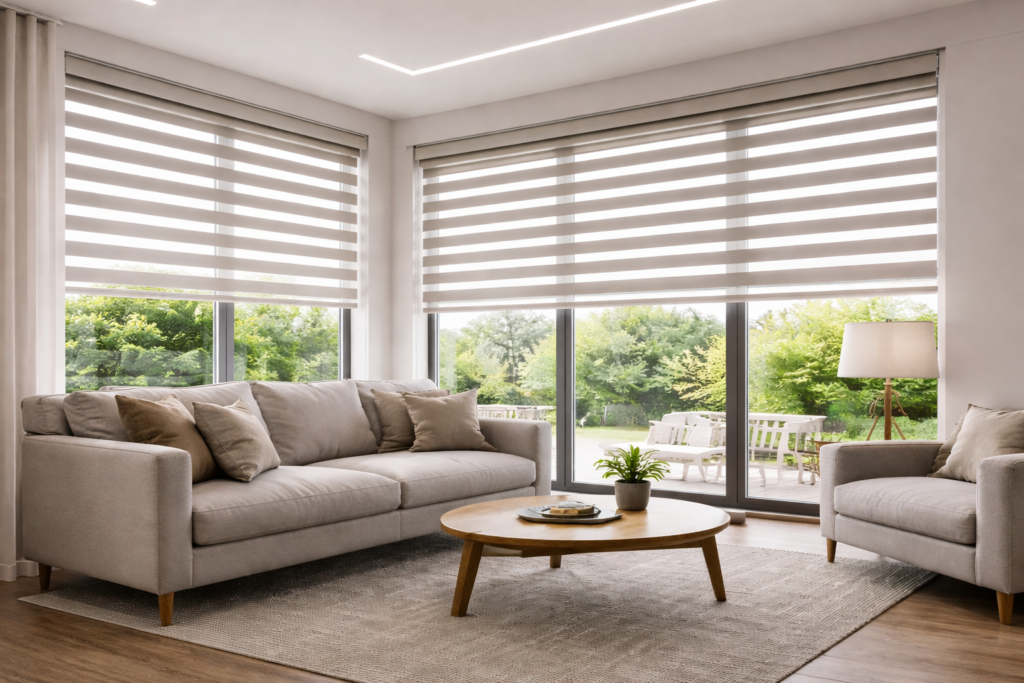
I’m honestly obsessed with this concept! I’ve been seeing biophilic design all over TikTok and Pinterest lately, but this article actually explained how to bring it into real homes in a practical way. The indoor plant wall idea is so cool — it instantly makes a space feel alive and calming. I also love the earth-tone color palette section because neutral, natural colors just make a home feel cozy and aesthetic at the same time. Definitely saving this for inspiration when I redecorate my apartment. Nature vibes inside the house just hit different 🌿
Absolutely love this! The mix of plants, natural textures, and soft earth tones makes everything feel so calm and cozy. Saving these ideas for my future home inspiration board 🌿✨